Vitamins for over 50s, 60s and 70s: what the NHS advises and what you can skip
 Reviewed by
This article contains affiliate links to iHerb. If you buy through them, we earn a commission at no extra cost to you. It doesn't affect which forms we recommend. Learn more
Official advice for people over 50 fits on one short list: vitamin D, B12, calcium from food and enough protein. Everything else depends on blood tests and the medicines you take. Below: what to take, how much, and which bottles can stay on the shelf.
Vitamins for over 50s: the short list
Walk into a high-street chemist or scroll iHerb and you’ll find dozens of “50+” and “senior” formulas. Official advice is much shorter, and almost the same for men and women.
| What | Who | How much | Source |
|---|---|---|---|
| Vitamin D | everyone in autumn and winter; all year if you rarely go out | 10 mcg (400 IU) a day | NHS |
| Vitamin B12 | everyone over 50 | from fortified foods or tablets | NIH ODS |
| Calcium | everyone, food first | 700 mg (NHS); 1,000–1,200 mg (NIH) | NHS, NIH ODS |
| Protein | older people | at least 1 g per kg body weight a day | ESPEN |
| Iron | only for a shortfall shown by a test | need: 8.7 mg a day | NHS |
Pick your situation to see which parts apply to you:
What you actually need after 50
Pick your situation to see what the NHS and NIH advise
You are
What the evidence supports
B12 from fortified foods or a tablet; vitamin D in winter
The NIH advises people over 50 to get most of their B12 from fortified foods or supplements, because it's absorbed better that way than from meat and dairy.
Guide figure: vitamin D 10 mcg (400 IU) in autumn and winter
What the evidence supports
Vitamin D all year
The NHS advises 10 mcg a day all year if you're not often outdoors, are frail or housebound, or live in a care home.
Guide figure: 10 mcg (400 IU) a day; limit 100 mcg (4,000 IU)
What the evidence supports
Calcium from food; no iron without a test
Your iron need drops to 8.7 mg a day from 50. Get calcium from food first: the NHS says 700 mg a day, the NIH 1,200 mg.
Keep vitamin A from food and supplements to 1.5 mg a day or less: more is linked to fractures.
What the evidence supports
Iron and men's megadoses are usually unnecessary
Men don't need iron supplements without a blood test. The NIH puts calcium at 1,000 mg a day for men aged 51–70, mostly from food.
Vitamin A: no more than 1.5 mg a day from food and supplements combined.
What the evidence supports
Ask for a B12 blood test
Metformin and acid reducers (PPIs) lower B12 absorption over time. A test shows whether you need tablets or injections.
What the evidence supports
Protein and your GP first, vitamins later
ESPEN advises older people to eat at least 1 g of protein per kilo of body weight a day. Unexplained weight loss is a reason to see your GP.
Guide figure: 70 kg body weight – at least 70 g protein a day
Vitamin D: who needs it all year
The NHS advises adults to take 10 mcg (400 IU) of vitamin D a day in autumn and winter. Some people should take it all year: those who are frail or housebound, live in a care home, or usually cover up their skin when outside. People with darker skin may also not make enough from sunlight.
Don’t take more than 100 mcg (4,000 IU) a day, as it could be harmful; that NHS limit applies to older people too. If your GP has prescribed a higher dose after a blood test, follow their plan. Forms and doses are covered in our vitamin D3 dosage guide.

Vitamin B12 over 50
The NIH advises people over 50 to get most of their B12 from fortified foods or supplements. It comes down to stomach acid: many older adults have too little of it, and without it B12 isn’t released well from meat and dairy. B12 from a tablet or fortified cereal skips that step.
Some medicines also reduce B12 absorption, notably metformin for diabetes and acid reducers such as omeprazole. If you’ve taken them for years, ask your GP to check your B12.
Numbness, tingling in the feet, unsteadiness or memory problems are reasons to get tested before starting tablets. Why the order matters, and which form to choose, is explained in our vitamin B12 guide.
Calcium: mostly from food
Figures differ. According to the NHS, adults need 700 mg of calcium a day and should be able to get it all from their diet. For women over 50 and men over 70 the NIH sets 1,200 mg, and 1,000 mg for men aged 51–70. Absorption of calcium from food also falls with age.
- Sources: milk, yoghurt, cheese, green leafy vegetables, fortified soya drinks, fortified bread, and fish eaten with the bones, such as tinned sardines.
- Take a supplement only to fill a gap. Absorption from tablets is best at 500 mg or less per dose.
- The NHS says 1,500 mg a day or less from supplements is unlikely to cause harm. The NIH upper limit for over 50s is 2,000 mg from all sources.
Calcium, vitamin D and K2 are covered in our calcium and vitamin K2 guide, and fracture and fall risk in bone health and osteoporosis supplements.
Protein matters more than most vitamins
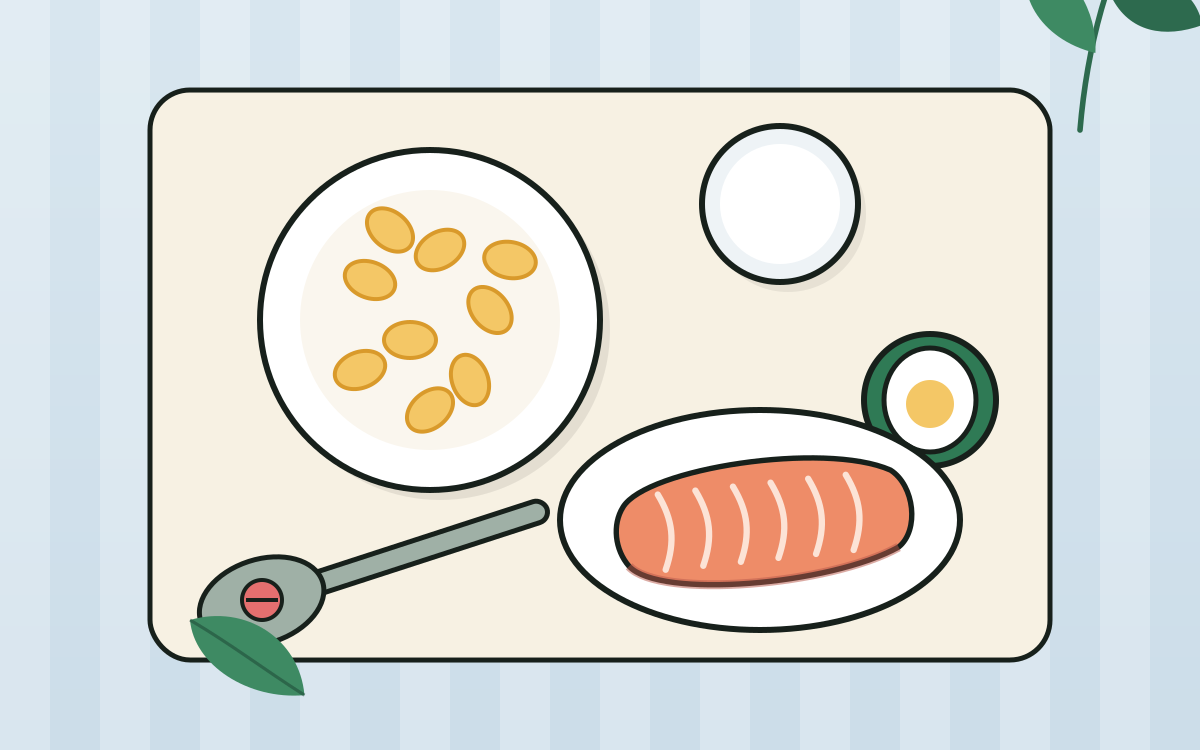
Muscle fades quietly with age, and strength and balance go with it. ESPEN, the European Society for Clinical Nutrition and Metabolism, advises older people to eat at least 1 g of protein per kilo of body weight a day. At 70 kg, that’s at least 70 g.
In practice, that means protein at every meal: eggs or yoghurt at breakfast, fish, meat, beans or lentils at lunch and dinner. A protein powder helps if your appetite is poor. Creatine and exercise are covered in sarcopenia and muscle loss.
What you can usually skip
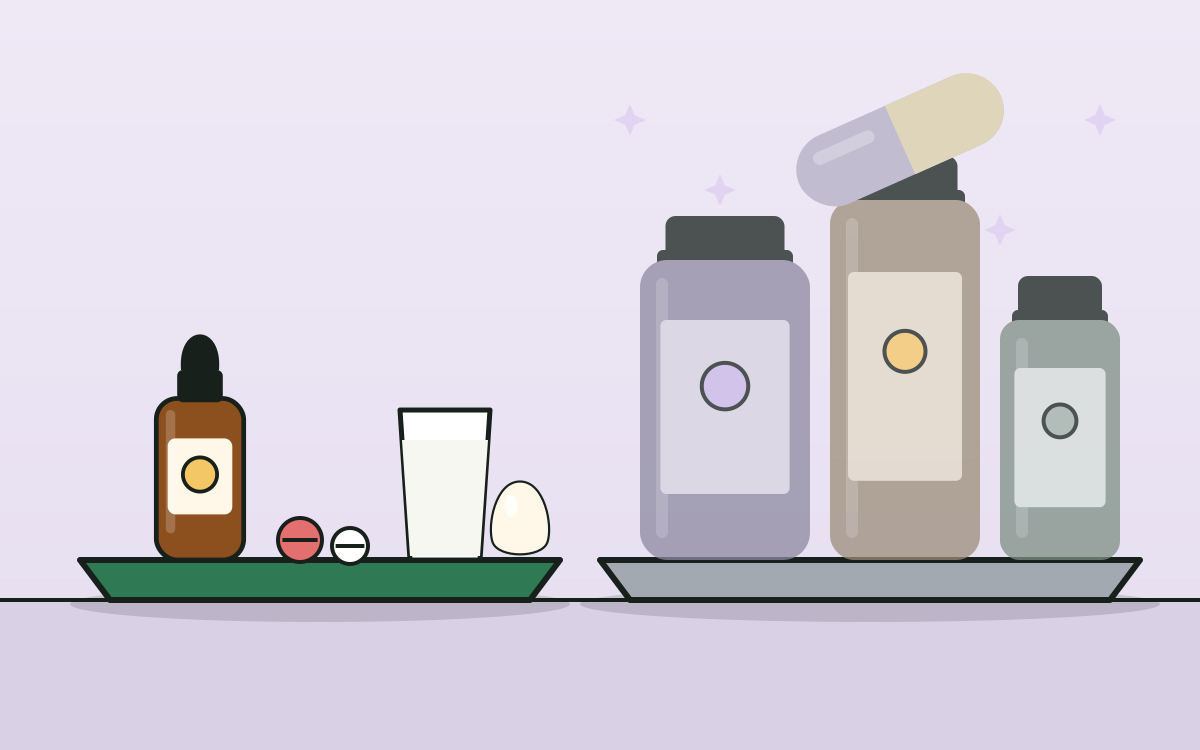
- Megadoses. A 5,000 IU vitamin D tablet is already above the NHS limit of 4,000 IU. Doses like that are for a confirmed deficiency, prescribed for a set time.
- Anti-ageing blends. NHS and NIH advice for over 50s covers vitamin D, B12, calcium and protein. Anti-ageing blends aren’t part of it.
- Iron without a test. From 50, men and women need 8.7 mg of iron a day, which normal food covers. The NHS notes that high doses cause constipation and nausea.
- Extra vitamin A. Women past the menopause and older men should keep to 1.5 mg a day or less from food and supplements, says the NHS. More may make bones more likely to fracture. If you eat liver once a week, skip vitamin A supplements, including fish liver oil.
- Two bottles of the same thing. Vitamin D in your multivitamin plus vitamin D drops; calcium in a multivitamin plus a separate calcium tablet.
See how far daily needs sit from the limits:
Vitamins for women over 50
Two things change after the menopause. Your iron need drops from 14.8 mg to 8.7 mg a day (NHS), so a women’s formula with plenty of iron is no longer needed. Calcium and vitamin D for bones move up the list. NHS guidance also warns that older women are already at higher risk of osteoporosis, so extra vitamin A is especially unwelcome.
More in our guide to supplements for women.
Vitamins for men over 50
Men don’t need iron supplements without a blood test: the need stays at 8.7 mg a day. The NIH sets calcium at 1,000 mg aged 51–70 and 1,200 mg after 70, mostly from food. Check the label of any “men’s health” formula for high zinc and vitamin A. More in supplements for men.
Supplements for over 70s
After 70 the list is the same, but life around it changes. Many people go out less, so vitamin D is needed all year. Tablets get harder to swallow, and there are more medicines. So:
- choose drops or chewables if tablets stick (see trouble swallowing pills);
- keep every supplement on one medicines list for your GP;
- set out the week’s doses in a pill organiser or a printable pill calendar.
Is a multivitamin for over 50s worth it?
A multivitamin is handy if your diet is limited or your appetite is poor. It won’t make up for a poor diet on its own: see our multivitamin guide. If you buy one, check the label:
- No iron, or very little.
- Vitamin A, plus what you eat, stays within 1.5 mg a day.
- Vitamin D and calcium don’t duplicate other bottles.
- The tablet is a size you can comfortably swallow.
Who should take care: medicines and conditions
- Warfarin. Vitamin K changes how it works; ginkgo and high-dose vitamin E may add to bleeding risk.
- Levothyroxine. Keep calcium and iron at least 4 hours apart from it. See our vitamin compatibility chart.
- Thiazide diuretics. With calcium or high-dose vitamin D they can raise blood calcium.
- Kidney disease. Minerals and vitamin D only on medical advice; see supplements to avoid with kidney disease.
- Metformin, omeprazole. Ask about a B12 test.
How to choose vitamins on iHerb
- Show your GP or pharmacist a list of every medicine and supplement you take.
- Start with vitamin D 400–1,000 IU and, if needed, B12 500–1,000 mcg.
- Get calcium from food; if you need a supplement, keep each dose to 500 mg or less.
- Choose a form you’ll actually take: drops, chewables, small capsules.
- Compare all your bottles so you don’t double up on D, calcium or vitamin A. Unsure? Try our vitamin check.
Bottom line: what to choose
Over 50, few fortified foods
Vitamin B12 500–1,000 mcg
Cyanocobalamin or methylcobalamin
B12 on iHerbI'd like one product
Iron-free multivitamin
Check vitamin A and D against your other bottles
Iron-free multivitamins on iHerbButtons lead to selections of the right form on iHerb. These are affiliate links; your price doesn't change.
FAQ
What vitamins should I take over 50?
Vitamin D, 10 mcg (400 IU) a day in autumn and winter, or all year if you’re rarely outdoors. B12 from fortified foods or a tablet, as the NIH advises for everyone over 50. Calcium and protein from food first. Anything else depends on blood tests.
What are the best vitamins for over 60s in the UK?
The same short list. If you’re over 60 and spend most of the day indoors, take vitamin D all year. If you take metformin or omeprazole, ask your GP about a B12 test. Bring a list of all your medicines before adding anything new.
What vitamins should women over 50 take?
Vitamin D and B12, plus attention to calcium: the NHS says 700 mg a day, the NIH 1,200 mg for women over 50, including food. After the menopause you usually don’t need iron, because your need drops to 8.7 mg. Keep vitamin A to 1.5 mg a day or less.
What supplements should over 70s take?
The list doesn’t change, but vitamin D all year becomes more relevant, and the form matters: drops and chewables are easier to swallow. The more medicines someone takes, the more useful a pharmacist’s review of everything becomes.
Is a multivitamin for over 50s worth it?
Not essential. It helps if your diet is limited. Choose an iron-free formula and check that vitamin A and D, added to your other bottles, stay under 1.5 mg and 100 mcg a day.
Can I take vitamins with my prescription medicines?
Usually, but keep calcium and iron 4 hours away from levothyroxine, and remember that vitamin K, ginkgo and high-dose vitamin E affect warfarin. Show your pharmacist a list of your medicines before you buy.
Sources
Vitamins over 50 at a glance
For adults over 50, based on the NHS, NIH ODS and ESPEN
- Vitamin D
- 10 mcg (400 IU) a day; all year if you rarely go out
- Vitamin D limit
- 100 mcg (4,000 IU) a day
- B12
- mostly from fortified foods or tablets (NIH)
- Calcium
- 700 mg (NHS) to 1,200 mg (NIH), food first
- Protein
- at least 1 g per kg body weight a day (ESPEN)
- Iron
- 8.7 mg a day; supplements only after a test
Keep vitamin A from food and supplements to 1.5 mg a day or less: more is linked to fractures.
Shop vitamin D3 on iHerb10 mcg a day in autumn and winter, or all year
Contents
- Vitamins for over 50s: the short list
- Vitamin D: who needs it all year
- Vitamin B12 over 50
- Calcium: mostly from food
- Protein matters more than most vitamins
- What you can usually skip
- Vitamins for women over 50
- Vitamins for men over 50
- Supplements for over 70s
- Is a multivitamin for over 50s worth it?
- Who should take care: medicines and conditions
- How to choose vitamins on iHerb