Vitamins to take in winter, autumn and spring in the UK: what you actually need
This article contains affiliate links to iHerb. If you buy through them, we earn a commission at no extra cost to you. It doesn't affect which forms we recommend. Learn more
Shops fill up with seasonal "immune" bundles every autumn, but the only seasonal supplement with a clear rationale in the UK is vitamin D in the darker months. Everything else comes from ordinary food all year round. So the seasonal plan is short, and most of it is about what you can skip.
What to take each season
In the UK, the one seasonal supplement with a clear rationale is vitamin D from October to March. Vitamin C, zinc, iron and the B vitamins don’t depend on the time of year. Your diet or a blood test decides those, not the calendar.
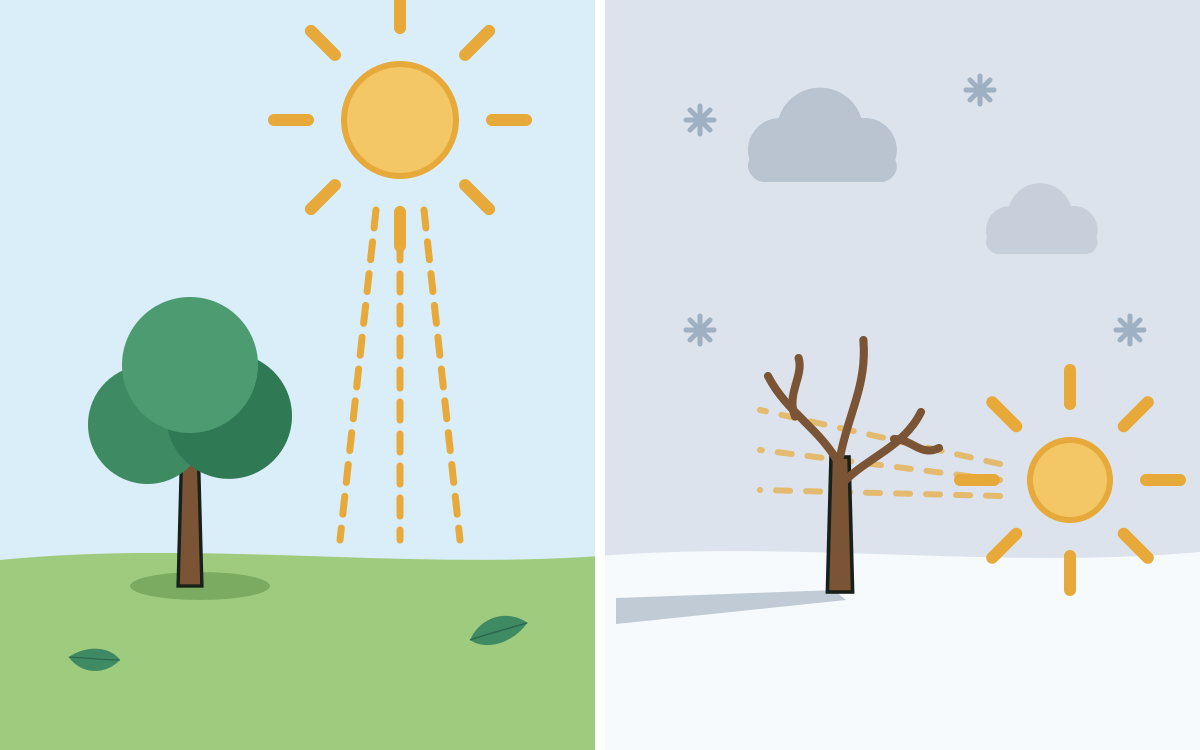
Vitamin D is different, because your skin makes most of it from ultraviolet B light. When the sun is low, there’s hardly any UVB even on a clear day. Vitamins from food don’t work like that: cabbage, carrots, eggs, fish and frozen berries are available all year.
Which vitamins make sense this season
Pick a season to see what's worth taking and what you can skip
Season
What matters now
Start vitamin D in October
From about October the sun in the UK is too low for your skin to make enough vitamin D. That's why the NHS asks everyone to consider a daily supplement until spring.
Guide: NHS: 10 micrograms (400 IU) of vitamin D a day in autumn and winter
What matters now
Daily vitamin D, the rest only if needed
Keep taking vitamin D. Regular vitamin C barely changes your chance of catching a cold, and starting high doses once symptoms begin didn't help in the Cochrane review. Zinc lozenges were mostly studied when started within 24 hours of the first symptoms.
The adult upper limit for vitamin D is 100 micrograms (4,000 IU) a day.
What matters now
No such thing as a spring deficiency
The NHS says sunlight isn't strong enough from October to early March, and most people make enough again from late March or April. Carry on until then. Other vitamins don't run out in spring if you eat a varied diet.
Guide: Greens, cabbage, citrus and frozen berries cover your vitamin C
What matters now
Sunlight and food usually cover it
From late March or April to the end of September most people make enough vitamin D from sunlight. People who rarely go outside or cover their skin need vitamin D all year.
What matters now
Who needs vitamin D all year round
The NHS lists people who are rarely outdoors or live in a care home, people who cover most of their skin, people with dark skin, children aged 1 to 4 and most babies.
Guide: Adults and children from age 1: 10 micrograms a day
Autumn vitamins: start vitamin D in October
As the days shorten, vitamin D production falls. The NHS says that between October and early March we don’t make enough vitamin D from sunlight. So it advises everyone, including pregnant and breastfeeding women, to consider a daily supplement of 10 micrograms (400 IU) in autumn and winter.
This applies across the UK, and the further north you live, the longer the dark season lasts. You can check the months for your city in our vitamin D sunlight calendar.
Women and children who qualify for the Healthy Start scheme can get free supplements containing vitamin D. If you qualify, use those first.
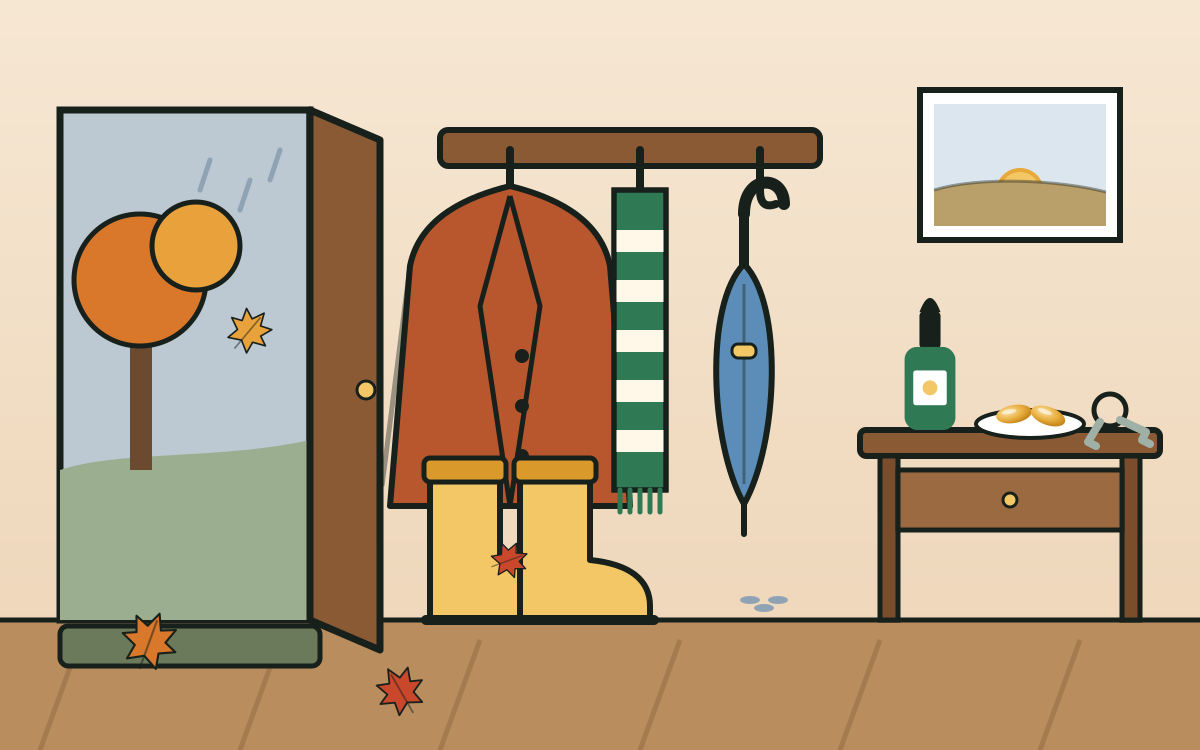
What to do in autumn:
- Start vitamin D in October unless you’re heading somewhere sunny for the winter.
- If you already take a multivitamin, check how much vitamin D it contains so you don’t double up.
- Skip “autumn immune” bundles: they’re often heavy on vitamin C and zinc and light on vitamin D.
Vitamins to take in winter
Keep taking vitamin D. For adults the NHS dose is 10 micrograms a day, and the upper limit is 100 micrograms (4,000 IU). More on doses, drops and capsules in our guide to how much vitamin D3 to take.
If you’ve got a tub of D3 in the kitchen cupboard and a multivitamin too, add them up:
How much vitamin D you take a day
Choose the dose per capsule or drop and how many a day – we'll compare it with the limit
10 micrograms a day
Vitamin D from supplements
10% of the 100 microgram (4,000 IU) upper limit
Within the limit. The NHS advises 10 micrograms (400 IU) a day from October to March
Vitamin D3 on iHerb1 microgram = 40 IU. If you take a multivitamin, add the vitamin D in it.
Popular winter cold remedies do less than the adverts suggest.
- Vitamin C. According to Cochrane, taking it regularly doesn’t reduce your risk of colds. It shortens them by about 8% in adults, but only if you were already taking it. More in our vitamin C guide.
- Zinc. Zinc lozenges started within 24 hours shortened colds in some trials. Long-term high doses are harmful. See our zinc guide.
- Vitamin D for colds. An updated 2025 meta-analysis in The Lancet Diabetes & Endocrinology found no significant reduction in respiratory infections. Take vitamin D for bones and muscles when sunlight is short.
Sleep, physical activity, fresh air, handwashing and the vaccines you’re offered do more for winter illness than any bottle.
Spring: no such thing as a spring deficiency
You’ll sometimes hear that people run low on vitamins by spring. With a varied diet, they don’t. Stores of most vitamins last, and fruit and vegetables are on sale all year.
One real spring issue remains: March is still short of sunlight. The NHS says most people make enough vitamin D again from late March or April. So carry on with vitamin D until then.
If you’re constantly tired in spring, “low vitamins” is an unlikely cause. Poor sleep, iron deficiency and thyroid problems are more common, and a GP can test for them. See our guides to iron tablets and vitamin D tests.
Summer: sunlight and food
From late March or April to the end of September, most people make enough vitamin D if they spend time outdoors. Sunscreen and darker skin reduce how much you make, which is why some people need vitamin D all year.
Your year at a glance
| Season | Worth considering | You can skip |
|---|---|---|
| Autumn | Vitamin D from October | “Immune” bundles with high-dose vitamin C |
| Winter | Vitamin D every day | Vitamin C mega-doses when you catch a cold |
| Spring | Vitamin D until late March or April; tests if you’re exhausted | “Spring tonic” multivitamins |
| Summer | Sunlight and a varied diet | Most supplements |
| All year | Vitamin D for the groups below | – |
Who needs vitamin D all year round
NHS advice is to take vitamin D every day, all year, if you are in one of these groups.
- People who are rarely outdoors, including care home residents.
- People who usually cover most of their skin outdoors.
- People with dark skin, for example of African, African-Caribbean or South Asian background.
- Children aged 1 to 4 and most babies – see our guide to vitamins for kids.
Food first in the colder months
Winter and spring meals can cover everything else:
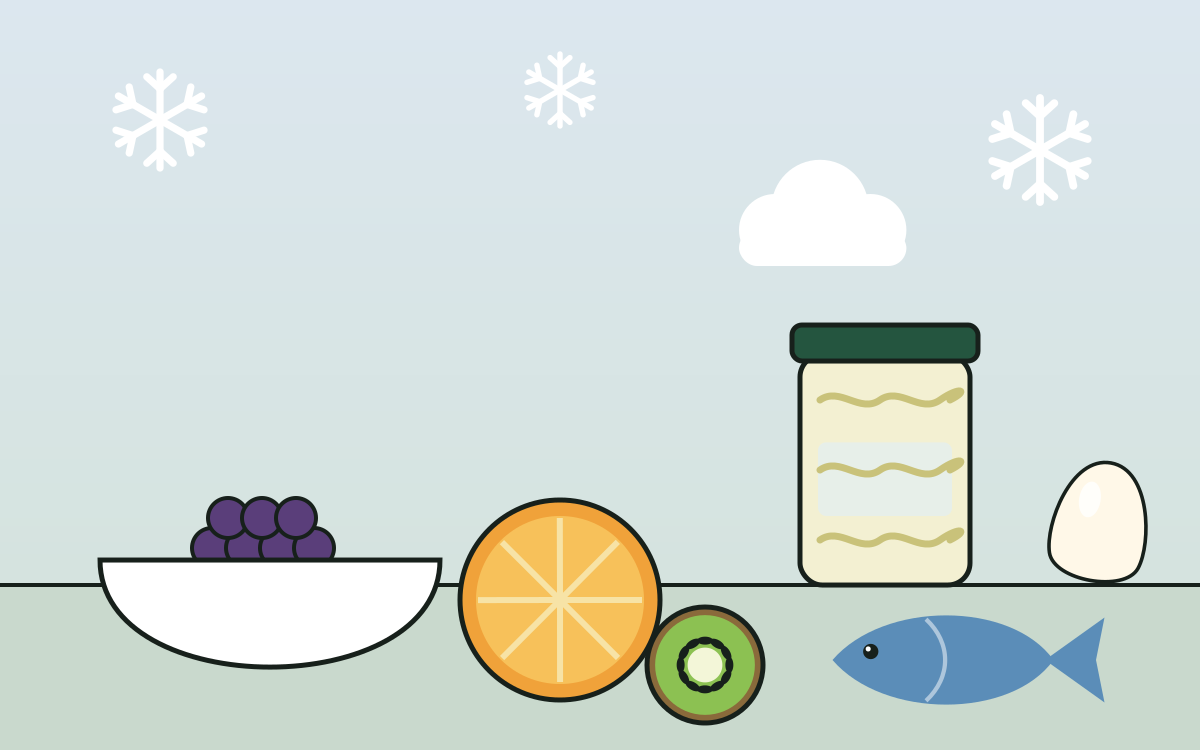
- Vitamin C comes from citrus fruit, kiwi fruit, peppers, broccoli, sauerkraut and frozen berries. The NHS says you should be able to get all the vitamin C you need from a varied, balanced diet.
- Vitamin D is found in oily fish, egg yolks, liver and fortified foods. In the UK, cows’ milk generally isn’t fortified. Food alone rarely covers your needs, which is why the supplement advice exists.
- Iron and B12 come from meat, fish, eggs and pulses. Vegans need a B12 source all year, whatever the season.
Who should check with a doctor first
Taking too much vitamin D over a long period can cause hypercalcaemia, a build-up of calcium in the blood. The NHS says this can weaken bones and damage the kidneys and heart. Don’t exceed 100 micrograms (4,000 IU) a day unless a doctor advises it.
Talk to your GP or pharmacist before taking vitamin D in these situations.
- Kidney disease, kidney stones or high blood calcium.
- Sarcoidosis or another granulomatous condition.
- Medicines that affect calcium, such as some diuretics or heart medicines.
- Pregnancy: the dose is usually the same, but confirm it with your midwife.
You can check other combinations in our vitamin compatibility chart.
How to choose a winter vitamin on iHerb
- Choose plain vitamin D3 rather than a seasonal bundle.
- Check the dose per capsule or drop: 400 IU (10 micrograms) matches NHS advice.
- If the bottle is 5,000 IU, don’t take one every day without medical advice.
- Work out how many doses you need: October to March is about 180 days.
- Order in good time; see our guide to iHerb UK delivery for shipping and VAT.
Bottom line: what to choose
Buttons lead to selections of the right form on iHerb. These are affiliate links; your price doesn't change.
FAQ
What vitamins should I take in winter in the UK?
Vitamin D. The NHS says everyone should consider a daily 10 microgram (400 IU) supplement in autumn and winter, because between October and early March we don’t make enough from sunlight. With a varied diet, you don’t need other vitamins just because it’s winter.
When should I start taking vitamin D in the UK?
From October. The NHS says that from October to early March the sun isn’t strong enough for your skin to make enough vitamin D. Most people make enough again from late March or April to the end of September.
Can I take vitamin D all year round?
Yes. The NHS advises it all year for people who are rarely outdoors or live in a care home, people who cover most of their skin, people with dark skin, children aged 1 to 4 and most babies. Others can take it year-round too if they prefer, as long as they stay at 10 micrograms rather than high doses.
Do vitamin C or vitamin D stop winter colds?
No. In the Cochrane review, regular vitamin C didn’t cut the risk of colds in the general population, though it shortened them slightly. An updated 2025 meta-analysis found that vitamin D didn’t significantly reduce respiratory infections either. Take vitamin D for bones and muscles.
Are there autumn vitamins I should take for tiredness?
There’s no evidence for a general “autumn” multivitamin. If you feel exhausted for weeks, see your GP: common causes such as iron deficiency, an underactive thyroid or poor sleep need testing, not a seasonal bundle.
Sources
- NHS. Vitamin D
- NHS. Vitamin C
- NIH ODS. Vitamin D – Fact Sheet for Health Professionals
- Hemilä H, Chalker E. Vitamin C for preventing and treating the common cold. Cochrane Database Syst Rev, 2013
- Jolliffe DA et al. Vitamin D supplementation to prevent acute respiratory infections: systematic review and meta-analysis of stratified aggregate data. Lancet Diabetes Endocrinol, 2025
Seasonal vitamins at a glance
For adults, based on NHS and NIH ODS
- Autumn and winter
- vitamin D, 10 micrograms (400 IU) a day
- Spring
- vitamin D until late March or April
- Summer
- usually nothing, if you get outdoors
- Vitamin D upper limit
- 100 micrograms (4,000 IU) a day
- All year
- people rarely outdoors, dark skin, children 1–4
- Vitamin C and zinc
- don't stop you catching colds
A supplement doesn't replace sleep, activity, daylight and vaccinations.
Shop vitamin D3 on iHerbCheck the dose per capsule or drop
Contents
- What to take each season
- Autumn vitamins: start vitamin D in October
- Vitamins to take in winter
- Spring: no such thing as a spring deficiency
- Summer: sunlight and food
- Your year at a glance
- Who needs vitamin D all year round
- Food first in the colder months
- Who should check with a doctor first
- How to choose a winter vitamin on iHerb