Alpha lipoic acid benefits: diabetic neuropathy evidence, R-lipoic acid vs standard ALA, dosage and who should avoid it
This article contains affiliate links to iHerb. If you buy through them, we earn a commission at no extra cost to you. It doesn't affect which forms we recommend. Learn more
Alpha lipoic acid is a prescription medicine for diabetic nerve pain in some countries and a supplement "for energy" in others. Drips and tablets eased nerve symptoms in short trials, the pricier R-form has no proven edge, and it can lower blood sugar, so some people need medical advice first.
What alpha lipoic acid is and what it does
Alpha lipoic acid (ALA, also called thioctic acid) is a compound your body makes itself. Inside cells it works as a coenzyme, a helper for the enzymes that produce energy in mitochondria. It’s sometimes called a “universal antioxidant” because it dissolves in both water and fat.
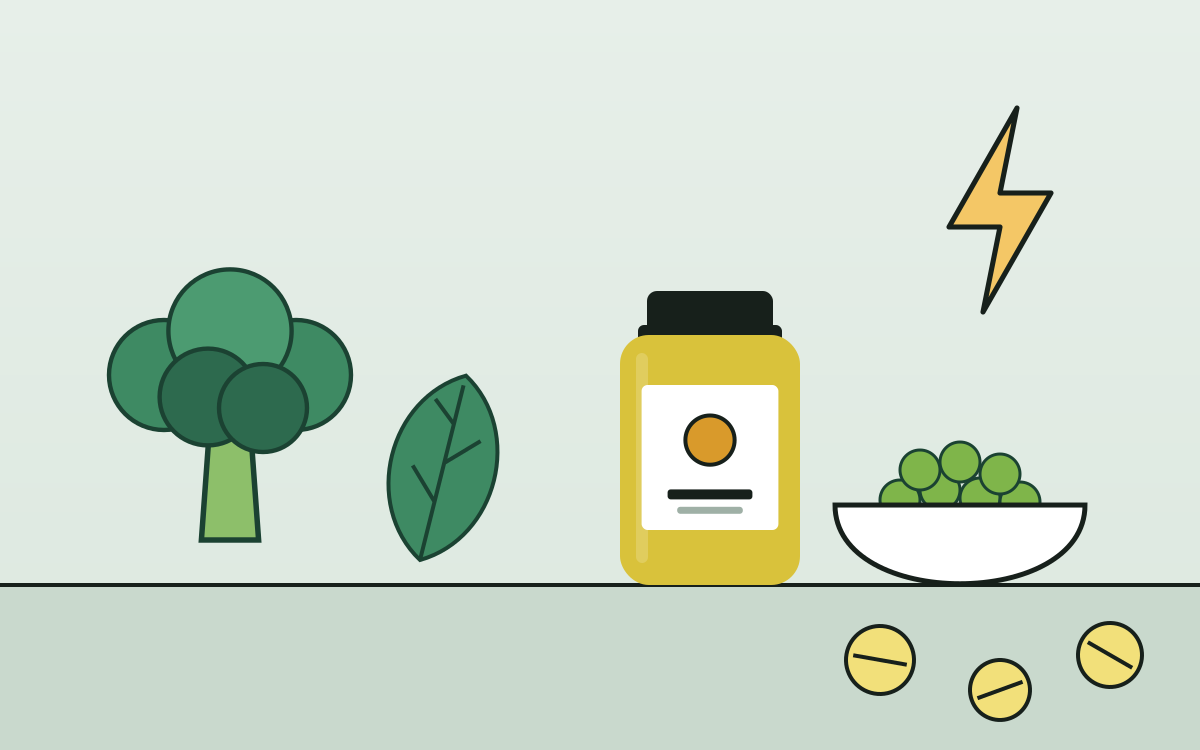
Food contains small amounts, in offal, spinach, broccoli, tomatoes and peas. But in food it’s bound to protein, and eating it hasn’t been found to raise free ALA in the blood noticeably. Supplements can provide up to 1,000 times more than you’d get from food.
People take it:
- for diabetic neuropathy – burning, pain and numbness in the feet;
- to lower blood sugar;
- “for energy”, weight loss or as a general antioxidant.
Good trials exist only for the first of these.
Medicine in some countries, supplement in others
In Germany, ALA is approved as a prescription treatment for diabetic neuropathy. In some other countries, thioctic acid is sold in pharmacies as licensed tablets and infusions. In the UK and the US, it’s sold as a food supplement.
The difference is regulation, not chemistry. A licensed medicine comes with a patient leaflet, and drips are only given in a clinic. If you’ve been prescribed thioctic acid abroad, don’t swap it for a supplement without checking with your doctor.
R-lipoic acid vs standard alpha lipoic acid
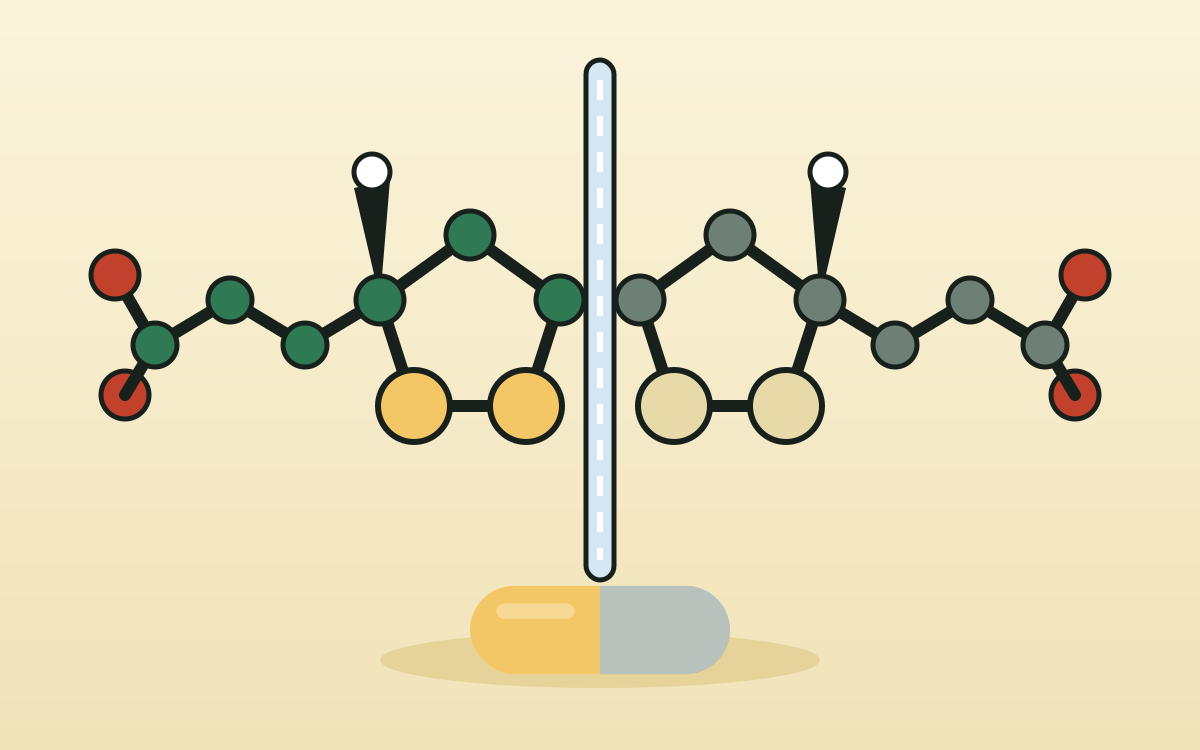
ALA comes in two mirror-image forms, R and S. Your body only makes the R-form. Most supplements contain a racemic mix – half R, half S (labelled “alpha lipoic acid” or “R,S”). R-lipoic acid (R-ALA) is sold separately.
| Racemic (R,S) | R-lipoic acid (R-ALA) | |
|---|---|---|
| What it is | a mix of R- and S-forms | the natural R-form only |
| Human trials | nearly all, including neuropathy | a few; no large neuropathy trials |
| Absorption | 30–40% of a dose | after the mix, R-form blood levels are 40–50% higher than S |
| Direct comparisons | none | none |
| Price | lower | higher; little public purity data |
The Linus Pauling Institute concludes it’s still unclear which form is better. Standard racemic ALA, the form used in trials, is a sensible choice.
Alpha lipoic acid: your situation
Pick an option to see what's known and what to watch for
Your situation
What the evidence says
Some evidence, but your doctor leads
Drips of 300–600 mg for 2–4 weeks eased burning and numbness. 600 mg tablets helped in a 5-week trial, but over 4 years the main outcome didn't change.
Used in studies: 600 mg a day by mouth
It adds to blood sugar control; it doesn't replace it.
What the evidence says
Risk of hypos
ALA improves insulin sensitivity. Combined with glucose-lowering medicines, your blood sugar could drop too low.
Only start after talking to your diabetes team, and test your sugar more often.
What the evidence says
Tell your GP
In a 1991 experiment in rats, ALA reduced the conversion of T4 to active T3. This hasn't been tested in people, but a TSH check after starting is sensible.
What the evidence says
Standard is better studied
Nearly all human trials used the racemic mix of R- and S-forms. The R-form is probably absorbed better, but no direct supplement comparisons exist, and it costs more.
Used in studies: 300–600 mg, 30 minutes before a meal
What the evidence says
A modest effect
A 2018 meta-analysis found statistically significant but small weight loss. As an "antioxidant for everyone", ALA hasn't shown a benefit.
Alpha lipoic acid for diabetic neuropathy
This is the main area where ALA has evidence, and drips and tablets gave different results:
- Drips. Meta-analyses found that 300–600 mg a day by infusion for 2–4 weeks eased neuropathy symptoms to a clinically meaningful degree.
- SYDNEY 2 (2006), 181 patients. 600, 1,200 or 1,800 mg by mouth for 5 weeks. Total symptom scores (stabbing and burning pain, tingling, numbness) fell by 48–52%, against 32% with placebo. 600 mg worked as well as the higher doses, while nausea, vomiting and dizziness rose with dose.
- ALADIN III, over 500 patients. Nerve function, as assessed by doctors, improved after 3 weeks of drips, but after 6 months of 1,800 mg tablets there was no difference from placebo.
- NATHAN 1 (2011), 460 patients, 4 years. 600 mg by mouth didn’t change the main composite outcome, though some secondary measures improved. On placebo, too, the main outcome barely worsened, so the trial couldn’t show whether ALA slows nerve damage. Serious adverse events were more common on ALA (38% vs 28%), although overall tolerability was similar.
- A 2023 meta-analysis of tablets. Symptoms improved, with a larger effect at higher doses. Nerve conduction and pain scale scores didn’t change.
The Linus Pauling Institute notes that many of these trials came from one German research group funded by the manufacturer. Neuropathy is managed first and foremost by controlling blood sugar. ALA is an add-on to discuss with your diabetes team.
| Route | Dose | What trials showed |
|---|---|---|
| By drip | 300–600 mg a day, 2–4 weeks | symptoms eased |
| By mouth, short term | 600 mg a day, 5 weeks | symptoms eased |
| By mouth, long term | 600 mg a day, 4 years | main outcome unchanged |
Alpha lipoic acid and blood sugar
ALA makes cells more sensitive to insulin. In a trial of 72 people with type 2 diabetes, 600–1,800 mg a day improved insulin sensitivity by 25% within 4 weeks. A 2018 meta-analysis (20 trials, 1,245 people with metabolic disorders) found lower fasting glucose, insulin and HbA1c. Yet in a trial of 102 people, 600 mg for 16 weeks didn’t change fasting glucose.
In practice: with insulin or diabetes tablets, ALA can cause hypos. Only start it with your diabetes team’s agreement, and test your blood sugar more often.
Insulin autoimmune syndrome
This is a rare but important complication. The immune system starts making antibodies against the body’s own insulin. The result is repeated hypos – weakness, sweating, hunger, dizziness – sometimes alternating with high sugar after meals.
- It has been described in people without diabetes who started taking ALA.
- It’s more likely in people with certain HLA gene variants. Most cases come from Japan, with reports from India and Italy.
- MSKCC mentions around 27 reported ALA-related cases.
- Once the supplement is stopped and the condition treated, the outlook is usually good.
If you get episodes of shakiness, sweating and weakness while taking ALA, especially before meals, stop it and see a doctor.
Alpha lipoic acid dosage: how to take it
- Neuropathy trials used 600 mg once a day; you can start with 300 mg.
- Food cuts absorption by about 20–30%, so take it 30 minutes before breakfast or lunch.
- 1,200–1,800 mg gave no extra benefit but caused more nausea, vomiting and dizziness.
- Trials assessed neuropathy symptoms after 3–5 weeks.
Alpha lipoic acid: the first weeks, step by step
Work through the steps in order, from talking to your GP to judging the result
Talk to your GP first
Especially if you have diabetes, take levothyroxine, are having chemotherapy or radiotherapy, or are pregnant or breastfeeding.
- With insulin or diabetes tablets, hypos are possible.
- On levothyroxine, a TSH check after starting is sensible.
- If you were prescribed thioctic acid as a medicine, don't swap it for a supplement without your doctor.
Start with 300 mg
Neuropathy trials used 600 mg once a day. Doses of 1,200–1,800 mg added no benefit but caused more nausea, vomiting and dizziness.
- Standard racemic ALA (R,S) is better studied; R-ALA costs more without a proven advantage.
- Keep the bottle out of children's reach: serious poisonings have been reported.
30 minutes before a meal
Food cuts absorption by about 20–30%, so take it on an empty stomach, half an hour before breakfast or lunch.
Watch your blood sugar and how you feel
Shakiness, sweating and weakness, especially before meals, mean stop and see a doctor. Rarely, ALA triggers insulin autoimmune syndrome.
- With diabetes, test your blood sugar more often than usual.
- Common side effects: rash, itching, stomach pain, nausea, dizziness.
Judge it after 3–5 weeks
That's when trials assessed neuropathy symptoms. Long-term benefit isn't proven: in the 4-year NATHAN 1 trial, the main outcome didn't change.
ALA is often combined with B vitamins or CoQ10. Start supplements one at a time so you can tell which one is having an effect.
Side effects and who should check first
The most common side effects are skin reactions (rash, hives, itching), stomach pain, nausea, vomiting, diarrhoea and dizziness. At 1,200 mg a day, unpleasant-smelling urine has been reported. Rare severe allergic reactions have followed drips.
Take extra care with:
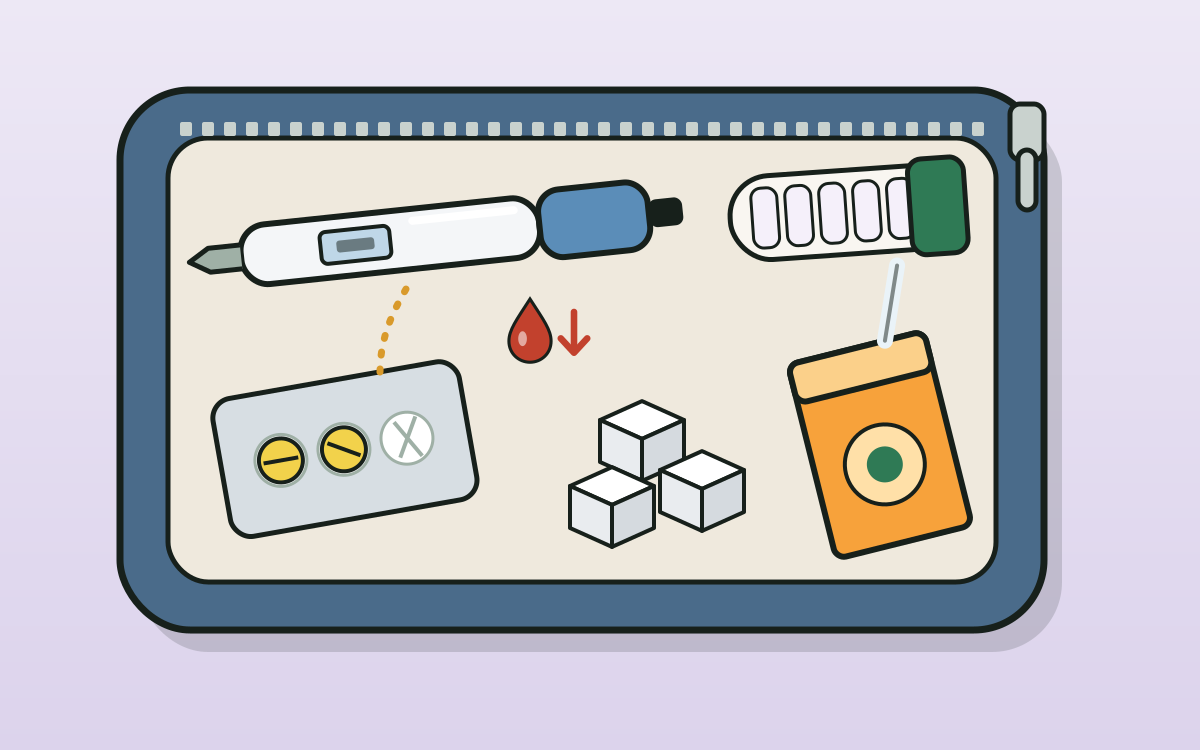
- Insulin and other diabetes medicines – risk of hypos.
- Levothyroxine. In a 1991 experiment in rats, ALA reduced the conversion of the thyroid hormone T4 to active T3 by 56%. This hasn’t been studied in people, but a TSH check after starting is sensible.
- Chemotherapy and radiotherapy. As an antioxidant, ALA may interfere with treatment. Only with your oncologist’s agreement.
- Pregnancy. One observational study found no harm from 600 mg a day, but the Linus Pauling Institute advises use only under strict medical supervision. Avoid it while breastfeeding.
- Children. Keep it out of reach. A 20-month-old who swallowed four 600 mg tablets was admitted to hospital with seizures and loss of consciousness. A teenager died after a very large dose.
You can check supplement combinations in our vitamin compatibility chart.
How to choose alpha lipoic acid on iHerb
- Decide why you want it. With neuropathy or diabetes, see your GP first. If you’re unsure what you need, try our vitamin check.
- Pick the form: standard racemic ALA as the default; R-ALA only if you’ll pay more without a proven advantage.
- Check the dose: 300 or 600 mg per capsule.
- Compare the price per 600 mg, not per bottle.
- Prefer products with independent quality testing (USP, NSF and similar seals).
Our guide to reading a supplement label explains the Supplement Facts panel. Other supplements for metabolism are in our energy and heart section. Another product marketed for “recycling antioxidants” is glutathione.
Bottom line: what to choose
Neuropathy, and your doctor agrees
Alpha lipoic acid 600 mg
The trial dose; once a day before food
ALA 600 mg on iHerbButtons lead to selections of the right form on iHerb. These are affiliate links; your price doesn't change.
FAQ
What are the benefits of alpha lipoic acid?
Your body uses it as a coenzyme to make energy in mitochondria. As a medicine and supplement, it’s mainly been studied in diabetic neuropathy, where drips and 600 mg tablets eased burning, pain and numbness in the feet. There’s no proven benefit for healthy people.
What's the difference between R-lipoic acid and alpha lipoic acid?
Standard alpha lipoic acid is a 50/50 mix of the R- and S-forms. R-lipoic acid is the natural form on its own. It’s probably absorbed better, but nearly all human trials used the standard mix, there are no direct comparisons, and R-lipoic acid costs more.
What is the right alpha lipoic acid dosage?
Neuropathy trials most often used 600 mg once a day. Food reduces absorption, so take it 30 minutes before a meal. Doses of 1,200–1,800 mg worked no better but caused more nausea, vomiting and dizziness.
Is alpha lipoic acid safe with diabetes?
Only with your doctor’s agreement. It improves insulin sensitivity and, alongside diabetes medicines, can cause hypos. Rarely, it triggers insulin autoimmune syndrome, which causes repeated low blood sugar; the supplement must then be stopped.
Is alpha lipoic acid the same as thioctic acid?
Yes, they’re two names for the same compound. In Germany it’s approved as a prescription treatment for diabetic neuropathy; in the UK it’s sold as a food supplement.
Sources
- Linus Pauling Institute, Oregon State University. Lipoic Acid – Micronutrient Information Center
- Memorial Sloan Kettering Cancer Center. Alpha-Lipoic Acid – About Herbs
- Ziegler D et al. Oral treatment with alpha-lipoic acid improves symptomatic diabetic polyneuropathy: the SYDNEY 2 trial. Diabetes Care, 2006
- Ziegler D et al. Efficacy and safety of antioxidant treatment with α-lipoic acid over 4 years in diabetic polyneuropathy: the NATHAN 1 trial. Diabetes Care, 2011
- Hsieh RY et al. Effects of Oral Alpha-Lipoic Acid Treatment on Diabetic Polyneuropathy: A Meta-Analysis and Systematic Review. Nutrients, 2023
- Vallianou NG et al. Alpha-lipoic acid as a trigger of insulin autoimmune syndrome. Metabol Open, 2026
- Segermann J et al. Effect of alpha-lipoic acid on the peripheral conversion of thyroxine to triiodothyronine. Arzneimittelforschung, 1991
Alpha lipoic acid at a glance
For adults, based on the Linus Pauling Institute, MSKCC and clinical trials
- Daily need
- none set: your body makes it
- Doses in studies
- 600 mg a day by mouth; 300–600 mg by drip
- Neuropathy
- symptoms eased; main 4-year outcome unchanged
- Forms
- racemic (studied), R-lipoic acid (pricier)
- How to take
- 30 minutes before a meal
- Caution
- diabetes medicines, levothyroxine, chemotherapy
Alpha lipoic acid can lower blood sugar. If you have diabetes, only start it with your diabetes team's agreement.
Shop alpha lipoic acid on iHerbCheck the form (R or R,S) and mg per capsule
Contents
- What alpha lipoic acid is and what it does
- Medicine in some countries, supplement in others
- R-lipoic acid vs standard alpha lipoic acid
- Alpha lipoic acid for diabetic neuropathy
- Alpha lipoic acid and blood sugar
- Insulin autoimmune syndrome
- Alpha lipoic acid dosage: how to take it
- Side effects and who should check first
- How to choose alpha lipoic acid on iHerb