Zinc supplements: zinc picolinate vs other forms, how much zinc to take, and when it does harm
This article contains affiliate links to iHerb. If you buy through them, we earn a commission at no extra cost to you. It doesn't affect which forms we recommend. Learn more
Zinc matters for immunity, skin and wound healing. But the NHS limit for supplements is just 25 mg a day, and iHerb is full of 50 mg bottles. This guide covers which form to pick, what a sensible dose looks like and why months of excess zinc do harm.
What zinc does and who needs a supplement
Zinc is part of hundreds of enzymes. Your immune cells need it, and so do cell division, wound healing, taste and smell. The body stores almost no zinc, so you need a steady supply from food.
Deficiency is more likely if you:
- are vegetarian or vegan;
- have a gut condition such as Crohn’s disease or coeliac disease;
- have had weight-loss (bariatric) surgery;
- drink heavily;
- are pregnant or breastfeeding.
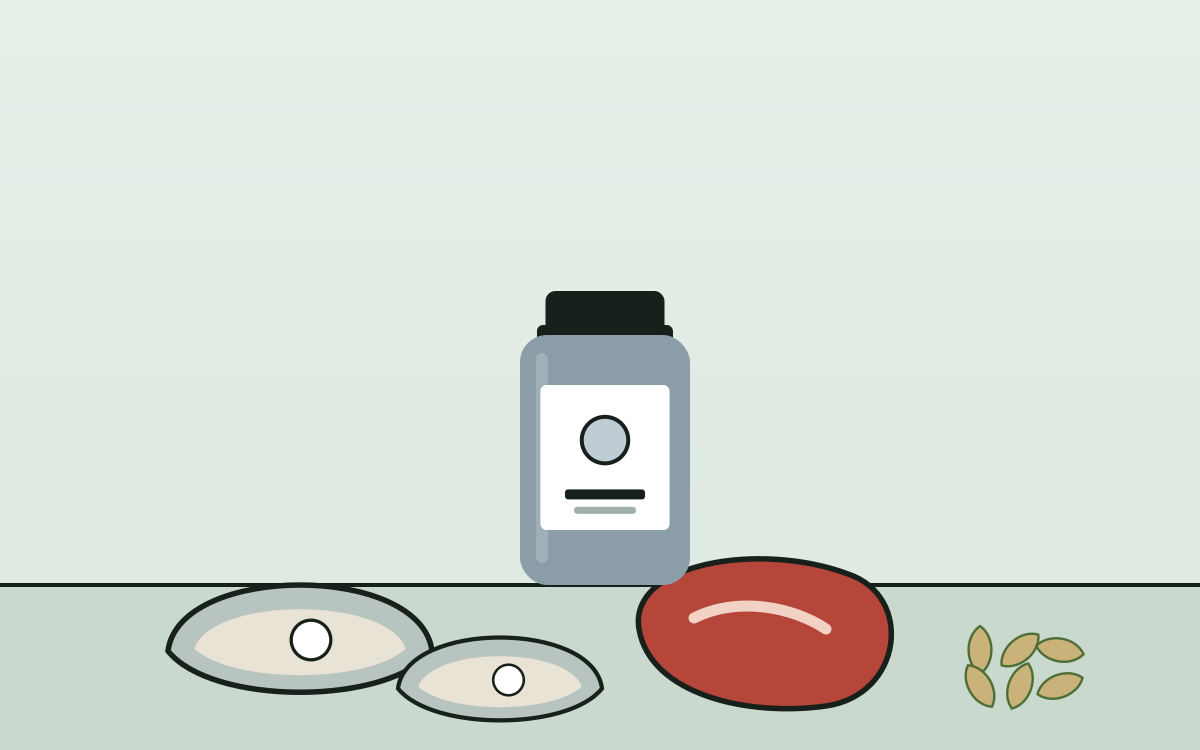
Zinc in food
Oysters are far ahead of everything else. Red meat, crab and other seafood follow, then seeds, cheese and beans. Zinc from plant foods is absorbed less well, because phytates in grains and pulses bind it. Compare everyday portions with supplement strengths:
A mixed diet with meat, dairy and wholegrains usually gets close to the NHS figure. A plant-based diet needs more planning.
Zinc picolinate vs bisglycinate, gluconate and other forms
Labels usually show elemental zinc, with the form in brackets: “Zinc (as zinc picolinate) 22 mg”. If only the compound weight is given, use the table below.
| Form | Zinc share, approx. | Notes |
|---|---|---|
| Picolinate | 20% | Popular on iHerb; did better than gluconate and citrate in one small study |
| Bisglycinate (chelate) | 20–30%, depending on the raw material | Usually gentle on the stomach |
| Citrate | 31% | Well absorbed and inexpensive |
| Gluconate | 14% | Common in cold lozenges |
| Acetate | 30% | Used in lozenges |
| Oxide | 80% | Cheap, somewhat less well absorbed |
Zinc picolinate vs gluconate: a small 1987 study found that picolinate raised zinc levels more. Larger comparisons are lacking. The gap between picolinate, bisglycinate, citrate and gluconate is small. Pick the one you tolerate best and that costs least per milligram of elemental zinc.
How much zinc to take
- The NHS puts daily need at 9.5 mg for men and 7 mg for women.
- If your diet is low in zinc, a sensible supplement is 10–15 mg of elemental zinc a day. Food already supplies roughly 8–12 mg, so this keeps the total near EFSA’s limit rather than over it.
- The NHS says not to take more than 25 mg a day from supplements unless a doctor advises it. EFSA’s 25 mg counts zinc from food too, and the US limit is 40 mg.
- Take it with a meal if it upsets your stomach, and away from antibiotics, iron and calcium.
Many bottles on iHerb hold 30 or 50 mg per capsule. That’s too much for daily use. Taking a 50 mg capsule every other day doesn’t fix it: the average is still 25 mg before you count food. Switch to a 10–15 mg product instead. To add up food, multivitamins and your capsule, use our daily zinc calculator.
A worked example. Say you eat meat a few times a week and get about 10 mg of zinc from food. A 15 mg capsule brings you to about 25 mg, right at the EFSA limit. A 50 mg capsule takes you to 60 mg, above every limit. And if your multivitamin already has 10–15 mg, you probably don’t need a separate zinc supplement.
Do you need a separate zinc supplement?
Pick your situation to see the dose, the form and what to watch
Your situation
What fits
Zinc 10–15 mg a day
Food already gives you roughly 8–12 mg. A 10–15 mg supplement keeps the total near EFSA's 25 mg limit rather than over it.
Dose: 10–15 mg of elemental zinc, with a meal
What fits
Bisglycinate, with food
Zinc on an empty stomach often causes nausea. Bisglycinate is usually gentler, and taking it with a meal helps too.
Dose: 10–15 mg; if you still feel sick, lower the dose
What fits
You probably don't need more
If your multivitamin already has 10–15 mg of zinc, a separate bottle pushes you past 25 mg.
What fits
Acetate or gluconate lozenges
The trials that worked gave more than 75 mg of zinc a day, started within 24 hours and stopped when the cold ended.
Don't use zinc nasal sprays or gels: they've been linked to loss of smell.
What fits
Space them apart
Zinc reduces the absorption of tetracyclines and quinolones. Take the antibiotic 2 hours before or 4–6 hours after zinc.
What fits
Ask about copper
50 mg of zinc a day or more over weeks can block copper absorption. If you're on it long-term, ask whether you need copper too.
Signs of low zinc
According to NIH ODS, zinc deficiency shows up as poor appetite and weaker immunity. More severe cases bring hair loss, diarrhoea, slow wound healing, changes in taste and weight loss. These signs aren’t specific, so on their own they’re no reason to take high-dose zinc.
Why excess zinc does harm
Zinc and copper compete for absorption. According to NIH ODS, 50 mg of zinc a day or more over weeks can block copper absorption. Low copper can show up as anaemia, low white blood cell counts and nerve damage, which isn’t always reversible. The NHS also mentions weaker bones.
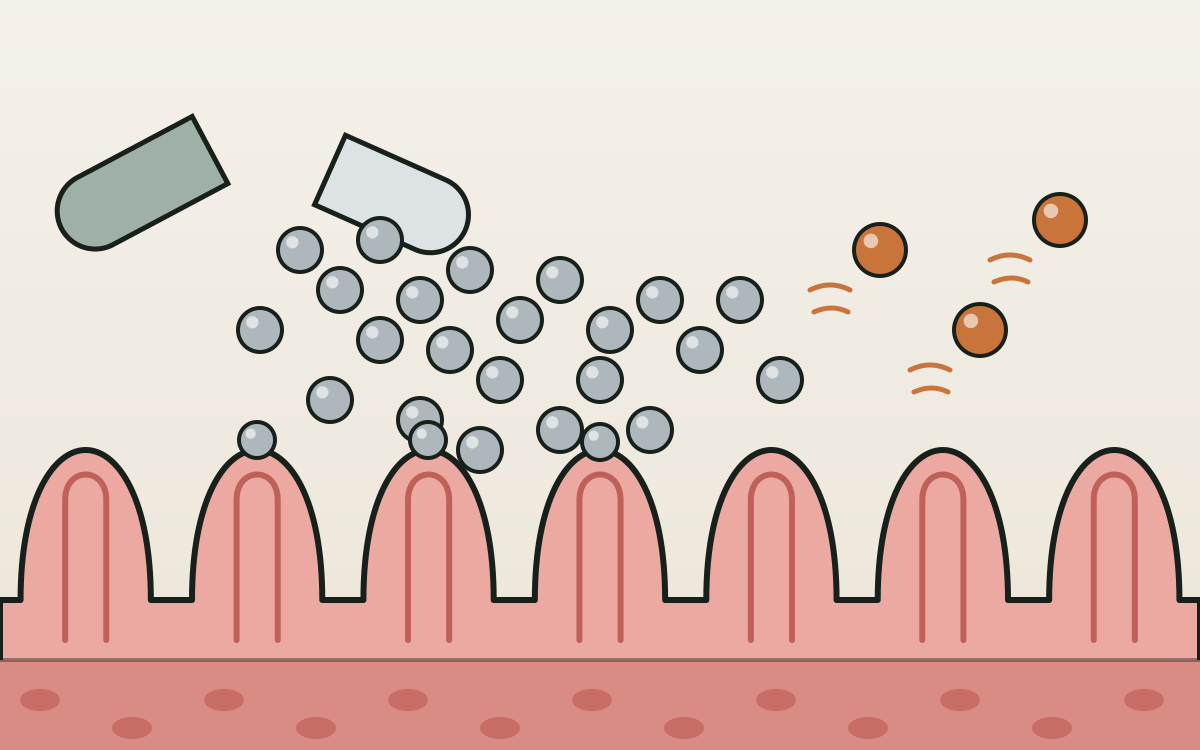
If your doctor has you on high-dose zinc long-term, ask whether you need copper too. Some brands add a little copper to their zinc. Zinc taken with magnesium is fine at normal doses. Other pairs are shown in our vitamin compatibility chart.
How much zinc to take for a cold
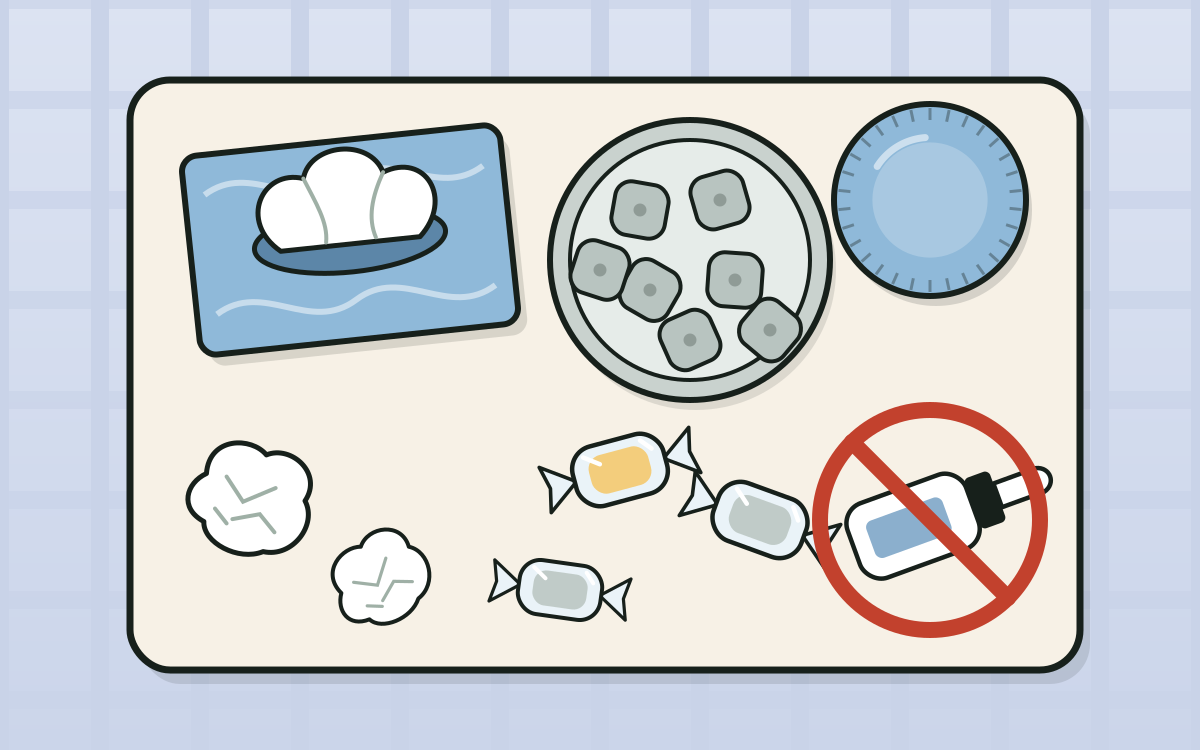
In meta-analyses, zinc acetate or gluconate lozenges started within 24 hours of the first symptoms shortened colds in some trials. The trials that worked gave more than 75 mg of zinc a day (typically 80–92 mg), and only while symptoms lasted. That was usually no longer than 1–2 weeks. Results are inconsistent, and the lozenges taste strong.
Swallowed zinc capsules and tablets haven’t shown this effect. Don’t use zinc nasal sprays or gels. The US FDA has warned about long-lasting and even permanent loss of smell.
Interactions and who should be careful
- Antibiotics (tetracyclines, quinolones): zinc reduces their absorption. Take the antibiotic 2 hours before or 4–6 hours after zinc.
- Penicillamine (for rheumatoid arthritis and Wilson’s disease): separate the doses by at least 1 hour.
- Thiazide diuretics increase zinc loss in urine.
- High-dose iron and calcium may reduce zinc absorption when taken at the same time.
In pregnancy, kidney disease or if you take regular medicines, check with your GP or pharmacist before adding zinc. Zinc often sits in men’s multivitamins too, so read about supplements for men before doubling up.
How to choose a zinc supplement on iHerb
- Check elemental zinc per capsule. For daily use, aim for 10–15 mg.
- Pick a form: bisglycinate or picolinate for a sensitive stomach; citrate or gluconate if price matters.
- Check whether your multivitamin already contains zinc, so you stay under 25 mg.
- Take it with food.
Vitamin D is the one supplement the NHS advises for everyone in winter. Read our guide to vitamin D tablets.
Bottom line: what to choose
Buttons lead to selections of the right form on iHerb. These are affiliate links; your price doesn't change.
FAQ
Is zinc picolinate the best form of zinc?
Not clearly. Picolinate, bisglycinate, citrate and gluconate are all absorbed well, and oxide slightly less so. One small 1987 study favoured picolinate, but larger comparisons are lacking. The elemental zinc dose and how well you tolerate it matter more than the form.
Can I take 50 mg of zinc every day?
Not long-term. That’s twice the NHS and EFSA limit of 25 mg and above the US limit of 40 mg. Weeks of 50 mg or more can block copper absorption, which may lead to anaemia and nerve problems. Doses like this are for short, specific uses.
Does zinc help with a cold?
Zinc acetate or gluconate lozenges started within 24 hours shortened colds in some studies, but results are mixed. Swallowed zinc capsules haven’t shown that effect. Avoid nasal zinc sprays and gels, which have been linked to loss of smell.
What is the best time to take zinc?
With a meal if zinc on an empty stomach makes you feel sick. Take tetracycline or quinolone antibiotics 2 hours before or 4–6 hours after zinc, and keep high-dose iron or calcium for a different meal. Morning or evening makes no difference to absorption.
How much zinc should I take for a cold?
The trials that worked used lozenges giving more than 75 mg of zinc a day (typically 80–92 mg), started within 24 hours and stopped when the cold ended. That dose is for a few days only. Don’t continue it beyond the cold.
Why does zinc make me feel sick?
Zinc on an empty stomach often causes nausea. Take it with a meal and stick to the dose. If it still makes you feel sick, try bisglycinate or a lower dose.
Sources
- NHS. Vitamins and minerals – Others (zinc)
- NIH ODS. Zinc – Fact Sheet for Health Professionals
- EFSA. Tolerable Upper Intake Levels for Vitamins and Minerals (2006)
- Hemilä H. Zinc lozenges and the common cold: a meta-analysis comparing zinc acetate and zinc gluconate, and the role of zinc dosage. JRSM Open, 2017
- U.S. FDA. FDA Advises Consumers Not to Use Certain Zicam Cold Remedies (2009, archived)
Zinc at a glance
For adults, based on NHS, EFSA and NIH ODS
- Daily need (NHS)
- 9.5 mg for men, 7 mg for women
- Upper limit
- 25 mg (NHS, EFSA); 40 mg (US)
- Well tolerated
- bisglycinate, picolinate, citrate
- Risk of excess
- copper deficiency with long-term high doses
- How to take
- with food if it makes you feel sick
- Avoid
- taking with antibiotics; nasal zinc sprays
The NHS limit applies to supplements. EFSA's 25 mg counts all zinc, including food and multivitamins.
Shop zinc on iHerbFood already gives you roughly 8–12 mg, so 10–15 mg is plenty