Folic acid tablets: how much to take, folate vs folic acid, and whether you need methylfolate
This article contains affiliate links to iHerb. If you buy through them, we earn a commission at no extra cost to you. It doesn't affect which forms we recommend. Learn more
Folic acid is the only form of folate shown to lower the risk of neural tube defects, which is why the NHS advises it for anyone who could get pregnant. Below you'll find the doses and timings, how it differs from methylfolate, what MTHFR really means, and why more than 1 mg a day needs a doctor's agreement.
What folic acid is for
Folate (vitamin B9) is needed for cell division and to make red blood cells. The NHS says adults need 200 mcg of folate a day, and most people get it from food: leafy greens, peas, pulses and fortified breakfast cereals.
You’d usually take a separate folic acid tablet if:
- you could get pregnant or are planning to – the main reason by far;
- a blood test shows folate deficiency, in which case your GP sets the dose and how long;
- you take certain medicines, such as low-dose methotrexate for rheumatoid arthritis, and your doctor has added folic acid.
If your folate is already fine, an extra tablet won’t give you more energy or better health. If you’re unsure what you need, start with our vitamin check.
Folate vs folic acid vs methylfolate
| Form | What it is | Where you find it | What we know |
|---|---|---|---|
| Folate | the natural form of vitamin B9 | greens, pulses, liver | about 50% absorbed |
| Folic acid | the synthetic form | tablets, multivitamins, fortified flour and cereals | at least 85% absorbed with food, nearly 100% on an empty stomach; proven to lower neural tube defect risk |
| L-methylfolate (5-MTHF) | the active form your body turns folate into | pricier formulas, “methylated” vitamins | absorbed as well as or better than folic acid; less evidence on neural tube defects |
Because absorption differs, US labels give folate in mcg DFE (dietary folate equivalents). 400 mcg of folic acid taken with food is about 667 mcg DFE. Look for the folic acid figure in brackets: “667 mcg DFE (400 mcg folic acid)”.
Folic acid before pregnancy: the NHS dose
Folic acid lowers the risk of neural tube defects – serious conditions affecting the baby’s brain and spine, such as spina bifida. The neural tube forms in the first weeks of pregnancy, so you need to start before you conceive.
NHS and NICE advice:
- 400 mcg a day if you could get pregnant, are planning a pregnancy or are in the first 12 weeks;
- start ideally 3 months before you begin trying, and continue until the end of week 12;
- if your pregnancy wasn’t planned, start as soon as you find out;
- a BMI of 25 or more doesn’t need a higher dose on its own, according to NICE’s 2025 guidance.
5 mg a day is prescription-only. NICE gives these examples of higher risk:
- a neural tube defect or other birth defect in you, your partner, your family or a previous pregnancy;
- type 1 or type 2 diabetes;
- sickle cell disease or thalassaemia;
- anti-epilepsy medicines or medicines for HIV.
If you’ve had weight-loss surgery, NICE advises asking your bariatric unit for individual advice.
Not sure which dose applies to you? Pick your situation:
400 mcg or 5 mg: which dose is yours
Pick your situation to see NHS and NICE advice. Only a doctor can prescribe 5 mg
Your situation
What's advised
400 mcg a day, started early
Ideally start 3 months before you begin trying and carry on until the end of week 12. The neural tube forms in the first weeks, often before you know you're pregnant.
Dose: 400 mcg folic acid a day
What's advised
Start today
If your pregnancy wasn't planned, start as soon as you find out and continue until the end of week 12. Go over vitamin D and iodine with your midwife too.
Dose: 400 mcg a day until the end of week 12
What's advised
Ask your GP about 5 mg
Type 1 or type 2 diabetes, anti-epilepsy medicines or HIV medicines are examples of higher risk in NICE guidance. Your GP may prescribe 5 mg a day.
Don't take 5 mg without a prescription: more than 1 mg a day can hide low B12.
What's advised
Also a reason to discuss 5 mg
A neural tube defect or other birth defect in you, your partner, your family or a previous pregnancy. Also sickle cell disease or thalassaemia.
The 5 mg dose is prescription-only.
What's advised
400 mcg is usually enough
Under NICE's 2025 guidance, a BMI of 25 or more doesn't need a higher dose on its own.
Dose: 400 mcg a day
What's advised
Ask your bariatric unit
If you've had weight-loss surgery, NICE advises asking the unit that treated you for individual advice.
See the full timeline, with vitamin D and iodine, in our guide to pregnancy vitamins.
How to take folic acid tablets
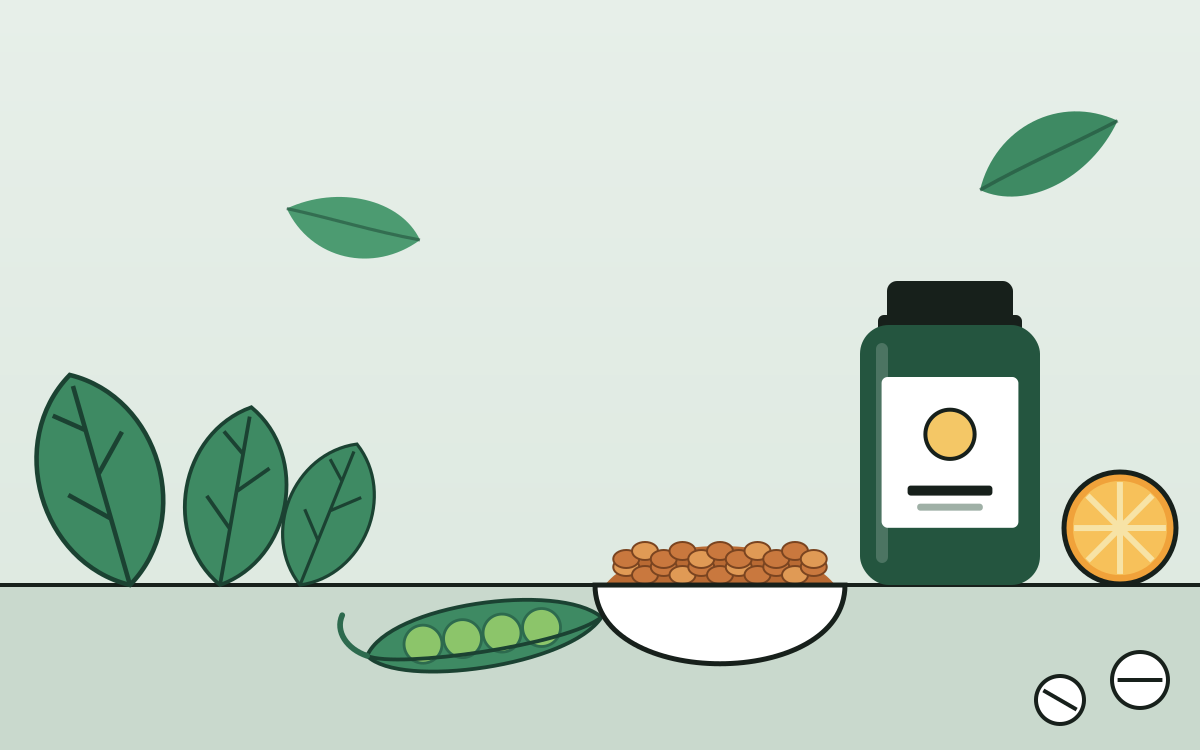
Usually one 400 mcg tablet a day, at the same time each day – next to the kettle is a good place to keep the pot. With or without food doesn’t matter much: on an empty stomach nearly all of it is absorbed, and with food at least 85%.
Most people who get it wrong are doubling up. Folic acid is in pregnancy formulas, multivitamins, B complexes and “women’s” inositol. Add up what you get from every bottle:
How much folic acid you get a day
Choose the folic acid or methylfolate per tablet, and how many tablets or servings you take across all products
400 mcg a day
Folic acid and methylfolate from supplements
40% of the 1,000 mcg upper limit from supplements (EFSA, NIH)
Within the limit. Before pregnancy, the NHS advises 400 mcg a day from before conception to week 12
Folic acid 400 mcg on iHerbCount every bottle: pregnancy formula, multivitamin, B complex, inositol with folic acid. Folate from food doesn't count towards the limit. If the label only gives mcg DFE, divide by 1.7 to get roughly the folic acid.
If you’re eligible for Healthy Start (England, Wales and Northern Ireland), the free vitamins for pregnancy already contain 400 mcg of folic acid, so you don’t need a second tablet.
MTHFR and methylfolate: the hype
MTHFR is an enzyme that helps turn folate into its active form. A common gene variant (C677T) is often called a “mutation”. About 25% of Hispanic people and 10% of white and Asian people carry two copies, according to NIH ODS. One copy is even more common.
That’s the basis of the marketing for “methylated” vitamins: the claim that folic acid doesn’t work if you have MTHFR. The CDC says plainly that this isn’t true:
- people with an MTHFR variant can process all types of folate, including folic acid;
- folic acid is the only type of folate shown to help prevent neural tube defects;
- if you have the variant and could get pregnant, the CDC advises the same 400 mcg of folic acid a day.
NIH ODS says some people with the variant might do better on methylfolate, but the evidence is inconclusive. Methylfolate is a reasonable option, not a requirement. And because the folic acid advice is the same with or without the variant, a genetic MTHFR test won’t change which vitamins you need.
The 1 mg limit and masking low B12
For adults, the upper limit is 1,000 mcg (1 mg) a day of folic acid from supplements and fortified foods. EFSA says the limit covers methylfolate too. It doesn’t apply to folate from ordinary food.
Why bother counting:
- the NHS warns that more than 1 mg of folic acid a day can hide the symptoms of B12 deficiency. The anaemia improves while nerve damage continues. Older people are at greater risk because B12 absorption falls with age. More in our vitamin B12 guide;
- the evidence on risks is mixed. In one Norwegian trial, 800 mcg of folic acid a day plus B12 was linked to more cancer. There’s no evidence that moderate doses harm you, but no benefit from extra either;
- NIH ODS cites data linking 1,000 mcg a day or more around conception with slightly lower cognitive test scores in children at age 4–5.
This is why the NHS checks B12 before treating folate deficiency. If you’re vegan or over 50, taking folate together with B12 is the practical choice.
Who should take care: medicines and conditions
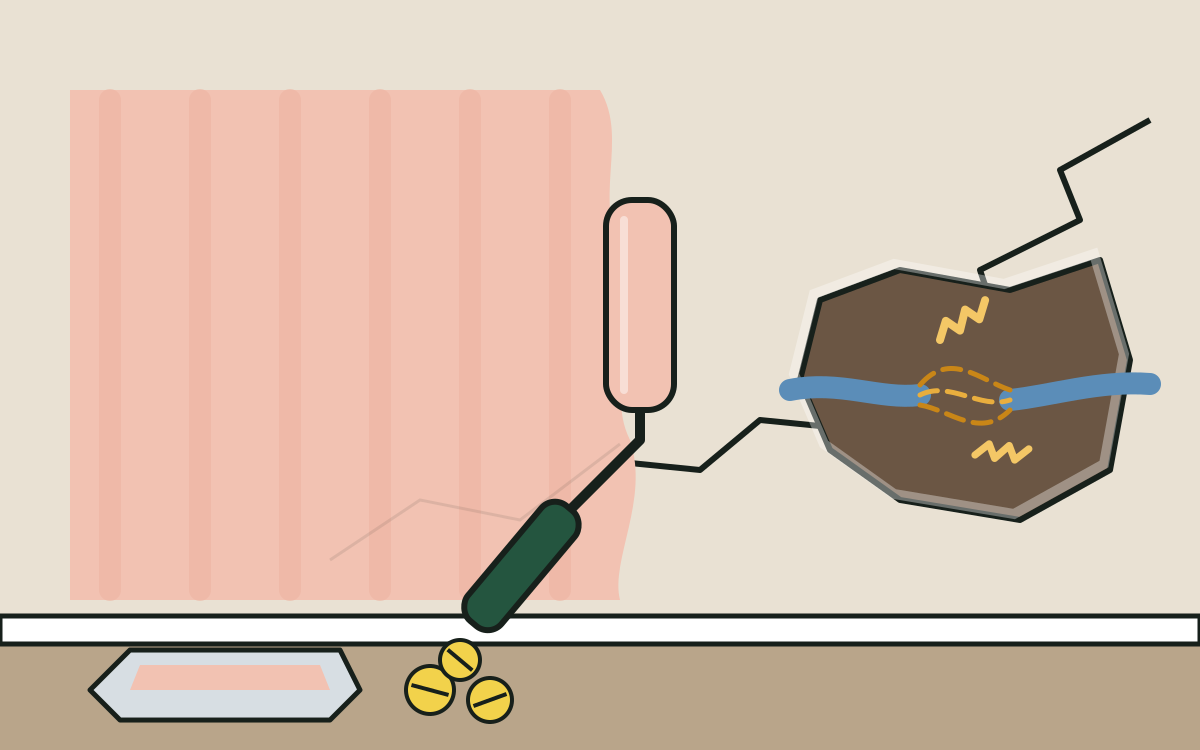
- Methotrexate. Folate works against it. If you’re having cancer treatment, don’t take folate without your oncologist’s agreement. For rheumatoid arthritis and psoriasis, folic acid is sometimes prescribed with methotrexate to reduce side effects; your doctor sets the dose and days.
- Anti-epilepsy medicines (phenytoin, carbamazepine, valproate). They lower blood folate, and folate may lower their levels. Take it only on advice; in pregnancy, this is a reason for the 5 mg dose.
- Sulfasalazine reduces folate absorption.
- Numbness, pins and needles or anaemia – get your B12 checked first.
- Pregnancy after weight-loss surgery – ask your bariatric unit.
Folate in food and fortified flour
Folate is found in leafy greens, peas, pulses, broccoli and liver. Avoid liver in pregnancy because of its vitamin A.
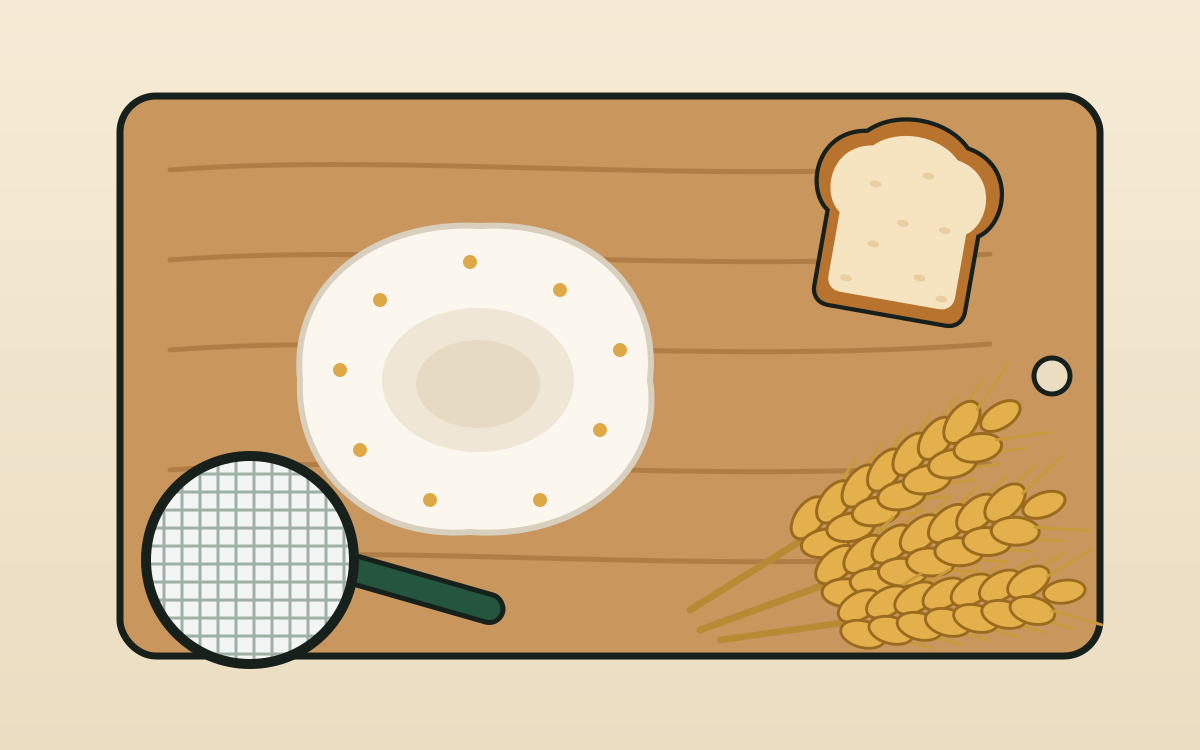
Across the UK, millers must add folic acid to non-wholemeal wheat flour by the end of 2026. Food Standards Scotland says this could cut neural tube defects by 20%. It doesn’t replace the 400 mcg tablet if you’re trying to conceive: a sandwich isn’t a measured dose.
Outside pregnancy, food is usually enough. What else women may need at different ages is covered in our guide to supplements for women.
How to choose folic acid on iHerb
- Decide why you need it: planning a pregnancy, a deficiency on a blood test, or your GP’s advice.
- For pregnancy, choose 400 mcg of folic acid per tablet. Only a doctor can prescribe 5 mg.
- Choose methylfolate only if you’ve agreed it with your GP. It costs more, and it hasn’t been shown to be better for MTHFR.
- Add up folic acid and methylfolate across all bottles: no more than 1,000 mcg a day unless prescribed.
- Before pregnancy, check there’s no retinol in the formula (retinyl palmitate, retinyl acetate).
- If you’re over 50 or vegan, consider B12 alongside folate. Combined formulas are covered in our guide to the vitamin B complex.
Bottom line: what to choose
Trying to conceive
Folic acid 400 mcg
Ideally 3 months before conception, then to week 12
Folic acid on iHerbYour GP suggests an active form
L-methylfolate (5-MTHF)
Check the dose with your GP
Methylfolate on iHerbButtons lead to selections of the right form on iHerb. These are affiliate links; your price doesn't change.
FAQ
How much folic acid should I take?
If you could get pregnant or are trying to, 400 mcg a day, ideally from 3 months before conception until the end of week 12. Your GP may prescribe 5 mg if your risk is higher, for example with diabetes, anti-epilepsy medicine, sickle cell disease or thalassaemia, or a neural tube defect in either parent, the family or a previous pregnancy.
Folate vs folic acid: what's the difference?
Folate is the natural form of vitamin B9 in food. Folic acid is the synthetic form in tablets and fortified foods. It’s absorbed better: at least 85% with food, against about 50% for food folate. It’s also the form behind the evidence on neural tube defects.
Is methylfolate better than folic acid?
Not for preventing neural tube defects: the evidence, and NHS, NICE and CDC advice, is about folic acid. Methylfolate (5-MTHF) is absorbed at least as well and is a reasonable alternative. If you’re planning a pregnancy, agree the form and dose with your GP or midwife.
Do I need methylfolate if I have an MTHFR mutation?
Usually not. The CDC says people with an MTHFR variant can process all types of folate, including folic acid, and advises the same 400 mcg a day. Since the advice doesn’t change, there’s no point testing for MTHFR just to pick a supplement.
Can I take folic acid tablets if I'm not pregnant?
You can, but most people don’t need to: leafy greens, pulses and fortified foods usually provide enough folate. Separate folic acid is prescribed for folate deficiency or alongside some medicines. Don’t take more than 1 mg a day from all supplements unless prescribed.
Can folic acid hide a B12 deficiency?
Yes. The NHS warns that more than 1 mg of folic acid a day can mask the symptoms of low B12, while nerve damage carries on. That’s why your GP checks B12 before treating folate deficiency.
Sources
- NICE NG247. Maternal and child nutrition: recommendations (2025)
- NHS. Vitamins and minerals – B vitamins and folic acid
- NIH ODS. Folate – Fact Sheet for Health Professionals
- CDC. MTHFR Gene Variant and Folic Acid Facts
- EFSA. Overview on Tolerable Upper Intake Levels (version 11, 2025)
- Food Standards Scotland. Bread and flour to be fortified with folic acid to prevent birth defects
Folic acid at a glance
For adults, based on NHS, NICE, NIH ODS and EFSA
- Folate need
- 200 mcg a day (NHS)
- Trying to conceive
- 400 mcg a day: ideally 3 months before conception to week 12
- 5 mg a day
- only on prescription
- Supplement limit
- 1,000 mcg a day, methylfolate included (EFSA)
- Methylfolate (5-MTHF)
- absorbed at least as well, but NHS advice is about folic acid
- MTHFR
- folic acid still works with this gene variant (CDC)
If you have numbness, pins and needles or anaemia, get your B12 checked before starting folic acid: high doses of folate can hide a B12 deficiency.
Shop folic acid on iHerbStart before you conceive, or as soon as you find out you're pregnant
Contents
- What folic acid is for
- Folate vs folic acid vs methylfolate
- Folic acid before pregnancy: the NHS dose
- How to take folic acid tablets
- MTHFR and methylfolate: the hype
- The 1 mg limit and masking low B12
- Who should take care: medicines and conditions
- Folate in food and fortified flour
- How to choose folic acid on iHerb