CoQ10 benefits: ubiquinol vs ubiquinone, statins, heart failure and doses used in studies
This article contains affiliate links to iHerb. If you buy through them, we earn a commission at no extra cost to you. It doesn't affect which forms we recommend. Learn more
CoQ10 is sold "for heart and energy", yet decent evidence exists for only two situations: aching muscles on statins and heart failure. You'll find what the trials showed, how ubiquinol differs from ubiquinone, and who should check with a GP before taking it.
What CoQ10 is and what it does
Coenzyme Q10 (CoQ10) is a fat-soluble compound found in almost every cell. Mitochondria, the cell’s power stations, need it to produce energy, and it also works as an antioxidant. Your body makes CoQ10 itself, so there’s no recommended daily intake.
So CoQ10 isn’t a vitamin you can run short of through diet. It has been studied for a handful of specific situations, and the evidence varies a lot in quality between them.
People usually buy CoQ10 because:
- They take a statin and have aching muscles.
- They have heart failure and want to discuss extra options with their cardiologist.
- They want “more energy” in midlife, which is exactly where the evidence is thinnest.
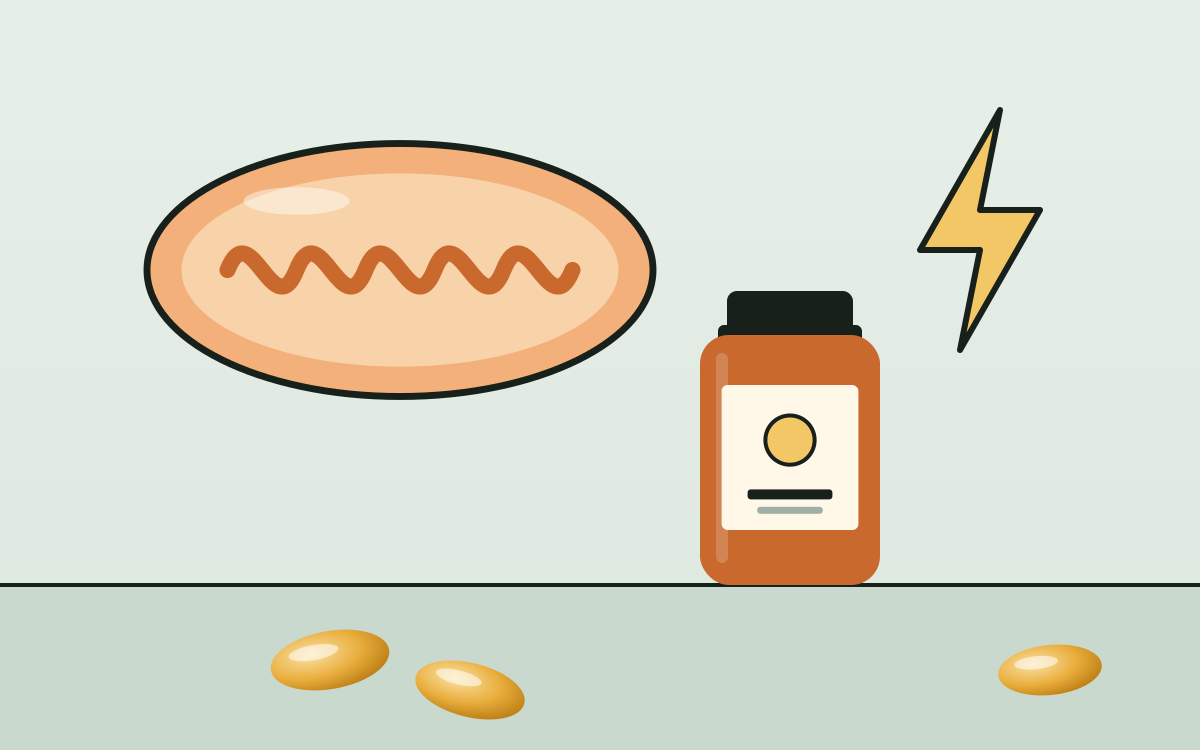
Ubiquinol vs ubiquinone: which form is better?
In the body, CoQ10 constantly switches between two forms. Ubiquinone is the oxidised form; ubiquinol is the reduced form. iHerb sells both, and ubiquinol is usually noticeably more expensive.
| Ubiquinone | Ubiquinol | |
|---|---|---|
| What it is | the oxidised form, “classic” CoQ10 | the reduced form |
| Research | used in the large trials (Q-SYMBIO) | fewer trials |
| Absorption | depends heavily on how it’s made: crystals must be dissolved in oil | higher in some studies, but often compared with poorly dissolved ubiquinone |
| Stability | stable | oxidises easily, needs protective capsules |
| Price | lower | higher |
Labels often call ubiquinol the “active form”, but that’s debatable. A 2020 review of CoQ10 absorption points out that much of the ubiquinol you swallow is oxidised to ubiquinone in the stomach, and the two forms interconvert in the body anyway. In at least one comparison, a well-dissolved ubiquinone was absorbed better than ubiquinol; other studies found the opposite. The fair conclusion: ubiquinol’s advantage isn’t proven.
What does affect absorption is the format. CoQ10 barely dissolves in water, so choose oil-based softgels over dry tablets and take them with a meal.
CoQ10 in oil-based softgels are a sensible choice for most people. Pick ubiquinol only if you’re happy to pay more without a proven benefit.
CoQ10 and statins
Statins lower cholesterol by blocking an enzyme that the body uses to make both cholesterol and CoQ10. That led to the idea that statin muscle pain comes from low CoQ10.
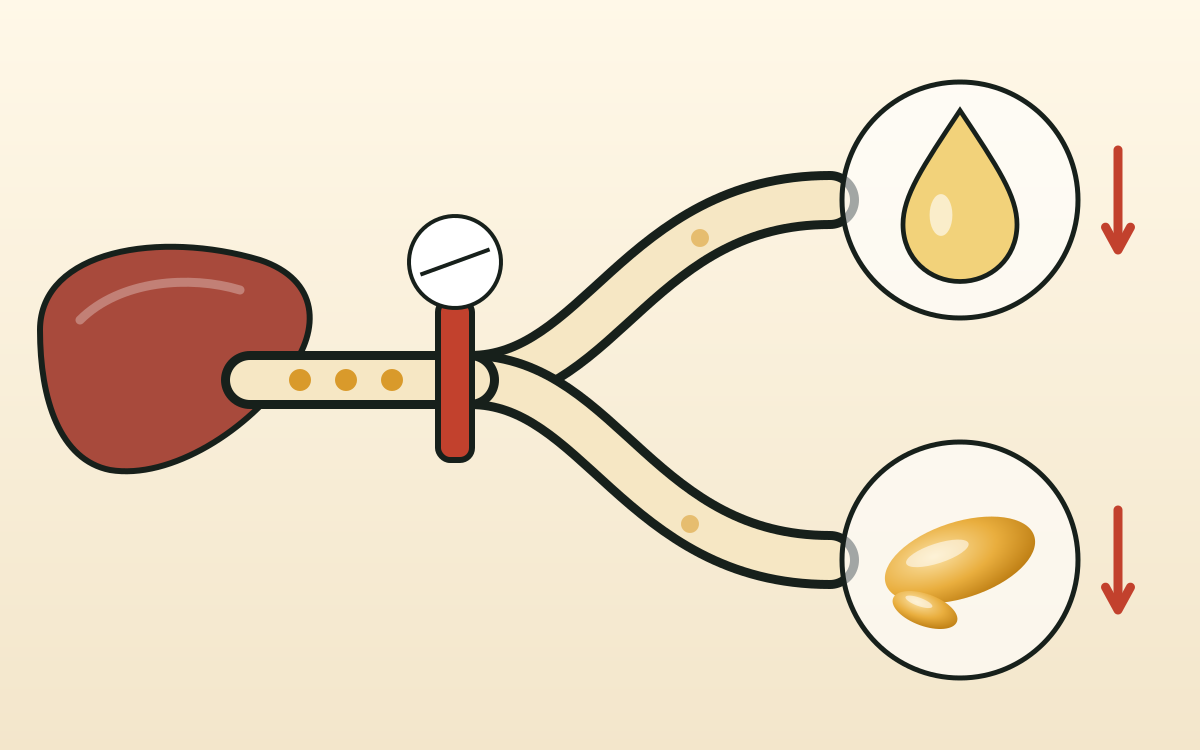
Testing that idea has given mixed results:
- A 2018 meta-analysis (12 trials, 575 people): those taking CoQ10 had less muscle pain, weakness, cramps and tiredness. Creatine kinase, a marker of muscle damage, didn’t change. Doses ranged from 100 to 600 mg a day.
- A 2015 meta-analysis (6 trials, 302 people): no significant effect on pain or creatine kinase.
- NCCIH, the US federal agency for research on complementary health approaches, concludes that overall the evidence doesn’t support CoQ10 for statin muscle pain.
If your muscles ache on a statin, tell the GP who prescribed it. A different statin or a lower dose sometimes helps. You can raise a trial of CoQ10 at the same appointment, but never stop a statin on your own.
Do you need CoQ10?
Pick your situation to see what the research says and where to start
Your situation
What the evidence says
Mixed evidence – talk to your GP
A 2018 meta-analysis of 12 trials found fewer muscle symptoms with CoQ10; a 2015 meta-analysis found no significant benefit. If your muscles ache, tell your doctor first.
Used in studies: 100–600 mg a day
Don't stop or change your statin on your own.
What the evidence says
Only as an add-on to treatment
In the Q-SYMBIO trial (420 people, 2 years), CoQ10 was added to standard therapy. A 2021 Cochrane review says there is still no convincing evidence for or against it.
Used in studies: 100 mg three times a day (Q-SYMBIO)
This is your cardiologist's decision. It doesn't replace your medicines.
What the evidence says
Ask your doctor first
CoQ10 may make warfarin less effective, which could raise the risk of clots. If your doctor agrees to it, your INR will need closer monitoring.
Don't start or stop CoQ10 without agreeing it with your anticoagulation team.
What the evidence says
Don't expect a lift
Your body makes CoQ10 itself. Studies on stamina and wellbeing in healthy people are inconclusive. If you're always tired, getting iron, B12 and thyroid checked matters more.
What the evidence says
Ubiquinone in an oil-based softgel
The large trials used ubiquinone. Ubiquinol costs more, and its absorption advantage isn't proven: comparisons depend heavily on how each product is made.
Used in studies: 100–300 mg a day, with a meal
CoQ10 for heart failure
This is where the strongest trials are, and where the stakes are highest. CoQ10 is only considered as an add-on to treatment your cardiologist has prescribed.
- Q-SYMBIO (2014): 420 people with moderate to severe chronic heart failure took 100 mg of CoQ10 three times a day or a placebo for 2 years, alongside standard treatment. Major cardiovascular events occurred in about 15% of the CoQ10 group and 26% of the placebo group.
- Cochrane review (2021): 11 trials, 1,573 participants. CoQ10 probably reduces deaths from any cause and hospital admissions for heart failure, with moderate certainty. But the finding on deaths rests on a single trial, Q-SYMBIO, and most other trials were small. The authors say there’s still no convincing evidence for or against it.
If you have heart failure, don’t start CoQ10 yourself. Ask your cardiologist whether it fits your treatment plan.

CoQ10 for blood pressure and energy
CoQ10 is often bought “for circulation” or “for energy”. These are the areas with the least evidence:
- Blood pressure. NCCIH says the limited evidence suggests CoQ10 probably doesn’t have a meaningful effect on blood pressure. It doesn’t replace blood pressure medicines.
- Energy and stamina. The MSD Manual lists popular claims, from exercise performance to skin, fertility and migraines, and notes the studies are not conclusive.
- A 2017 analysis of 14 trials reported better exercise capacity with CoQ10. The participants had heart failure, though, not healthy adults, and the 2021 Cochrane review rated this evidence very uncertain.
If you’re always tired, start by checking the usual causes: iron, vitamin B12, thyroid and sleep.
How much CoQ10 to take
There’s no single recommended dose. These are the amounts used in research:
| Situation | Dose in studies | Duration |
|---|---|---|
| Muscle symptoms on statins | 100–600 mg a day | weeks to months |
| Heart failure (Q-SYMBIO) | 300 mg (100 mg three times a day) | 2 years |
| Older adults (KiSel-10, with selenium) | 200 mg a day | 4 years |
- Take it with a meal that contains some fat: eggs on toast rather than a plain bowl of porridge.
- Split 200–300 mg into 2–3 doses through the day.
- Trials measured outcomes over weeks and months, not days.
- If it keeps you awake, move it to the morning; insomnia is one of the reported side effects.
CoQ10 is sometimes combined with omega-3 or magnesium. If you take several supplements, start them one at a time so you can tell which one helps or causes side effects.
CoQ10 side effects and who should check first
No serious side effects of CoQ10 have been reported. Nausea, heartburn, stomach pain, diarrhoea, headache, rash and insomnia can occur.
Take extra care if you’re on:
- Warfarin. CoQ10 may make it less effective and raise the risk of clots. Only with your doctor’s agreement and INR monitoring.
- Insulin or other diabetes medicines. CoQ10 may affect blood sugar; you’ll need to monitor it.
- Blood pressure medicines. Interactions have been described; discuss it with your GP.
- Chemotherapy. CoQ10 may not be compatible with some cancer treatments.
- Pregnancy and breastfeeding. Safety hasn’t been established, so don’t take it without medical advice.
Children should only take CoQ10 if a doctor prescribes it. If you take several medicines, check combinations in our vitamin compatibility chart and ask a pharmacist.
How to choose CoQ10 on iHerb
- Decide whether you need it: on statins, warfarin or with heart failure, talk to your doctor first.
- Pick the form: ubiquinone in oil-based softgels as the default; ubiquinol if you don’t mind paying more.
- Check the Supplement Facts panel for CoQ10 per softgel and per serving: 100 mg per softgel is easy to dose.
- Compare price per 100 mg, not per bottle.
- Prefer products with independent quality testing (USP, NSF and similar seals).
How to read a CoQ10 label
A sample label for oil-based softgels. Tap a line to see what to look for
Supplement Facts
What it means
One softgel per serving
Every number below is for one softgel. If the maker counts two softgels as a serving, double the dose in your head.
What it means
No % daily value here
Your body makes CoQ10, so there's no recommended intake. Use the trial doses as a guide: 100–300 mg a day, sometimes up to 600 mg.
What it means
Ubiquinone, 100 mg
The best-studied form, used in the large trials including Q-SYMBIO. If the label says ubiquinol instead, that's the reduced form: it costs more, and its absorption advantage isn't proven.
What it means
The oil base
CoQ10 barely dissolves in water. An oil-based softgel taken with a meal does more for absorption than the choice between ubiquinone and ubiquinol.
What it means
How to take it
With a meal, ideally one with some fat. Split 200–300 mg into 2–3 doses. If it keeps you awake, take it in the morning.
What it means
If you take medicines
On warfarin, insulin or other diabetes medicines, blood pressure tablets or chemotherapy, check with your GP first. CoQ10 may weaken warfarin, so your INR needs closer checks.
What it means
Independent testing seal
USP, NSF and similar seals mean a third party has checked quality. They don't promise any benefit, but they're a plus when two products are otherwise equal.
Our guide to reading a supplement label explains the panel in detail. Other heart and energy supplements are covered in our energy and heart section.
Bottom line: what to choose
If your doctor is happy for you to try it
Ubiquinone 100 mg softgels
The best-studied form; take with a meal
Ubiquinone on iHerbStatins and aching muscles
Ubiquinone 100–200 mg, after talking to your GP
A trial period; judge how you feel
CoQ10 on iHerbButtons lead to selections of the right form on iHerb. These are affiliate links; your price doesn't change.
FAQ
What are the benefits of CoQ10?
CoQ10 helps cells make energy and acts as an antioxidant. Your body makes it, so healthy people rarely need a supplement. The best-studied uses are heart failure, as an add-on to treatment, and muscle symptoms on statins, and even there the evidence is mixed.
Is ubiquinol better than CoQ10?
Not clearly. Ubiquinol is a form of CoQ10. Some studies found higher blood levels with ubiquinol, but many compared it with poorly dissolved ubiquinone. The large clinical trials used ubiquinone, which is also cheaper.
Should I take CoQ10 with statins?
It isn’t routinely needed. A 2018 meta-analysis found fewer muscle symptoms, a 2015 meta-analysis found no significant benefit, and NCCIH considers the evidence insufficient. If your muscles ache on a statin, tell your GP: a different dose or statin may help.
Can I take CoQ10 with warfarin?
Only with your doctor’s agreement. CoQ10 may make warfarin less effective and raise the risk of clots. If you do take it, your INR is usually checked more often, especially in the first weeks.
What is the best time to take CoQ10?
Taking it with a meal matters more than the time of day, because CoQ10 dissolves in fat. Some people find it keeps them awake, so take it in the morning if that happens.
Sources
- NCCIH. Coenzyme Q10
- Al Saadi T et al. Coenzyme Q10 for heart failure. Cochrane Database of Systematic Reviews, 2021
- Mortensen SA et al. The effect of coenzyme Q10 on morbidity and mortality in chronic heart failure: Q-SYMBIO. JACC Heart Failure, 2014
- Qu H et al. Effects of Coenzyme Q10 on Statin-Induced Myopathy: An Updated Meta-Analysis of Randomized Controlled Trials. J Am Heart Assoc, 2018
- Banach M et al. Effects of Coenzyme Q10 on Statin-Induced Myopathy: A Meta-analysis of Randomized Controlled Trials. Mayo Clin Proc, 2015
- Mantle D, Dybring A. Bioavailability of Coenzyme Q10: An Overview of the Absorption Process and Subsequent Metabolism. Antioxidants, 2020
- MSD Manual. Coenzyme Q10 (CoQ10)
CoQ10 at a glance
For adults, based on NCCIH, Cochrane and clinical trials
- Daily need
- none set: your body makes CoQ10 itself
- Doses in studies
- 100–300 mg a day, sometimes up to 600 mg
- Forms
- ubiquinone (better studied), ubiquinol (pricier)
- How to take
- with food; split 200–300 mg into 2–3 doses
- Statins
- mixed evidence for muscle symptoms
- Caution
- warfarin, insulin, blood pressure medicines
CoQ10 doesn't replace treatment for heart conditions. If you take prescribed medicines, check with your GP or pharmacist first.
Shop CoQ10 on iHerbCompare mg of CoQ10 per softgel and the form