Glycine for sleep: what the studies found, how much to take and who should avoid it
This article contains affiliate links to iHerb. If you buy through them, we earn a commission at no extra cost to you. It doesn't affect which forms we recommend. Learn more
Glycine is a simple amino acid sold as a cheap powder. The most interesting data on it concern sleep, but the studies are small and used 3 g, much more than a single tablet holds. This page covers what the evidence shows and how to try it sensibly.
What glycine is
Glycine is the simplest amino acid. Your body makes it, and you also get it from protein foods such as meat, fish, dairy and beans. Collagen and gelatine are especially rich in it. That’s why glycine is classed as non-essential: a healthy person on a normal diet is unlikely to run short.
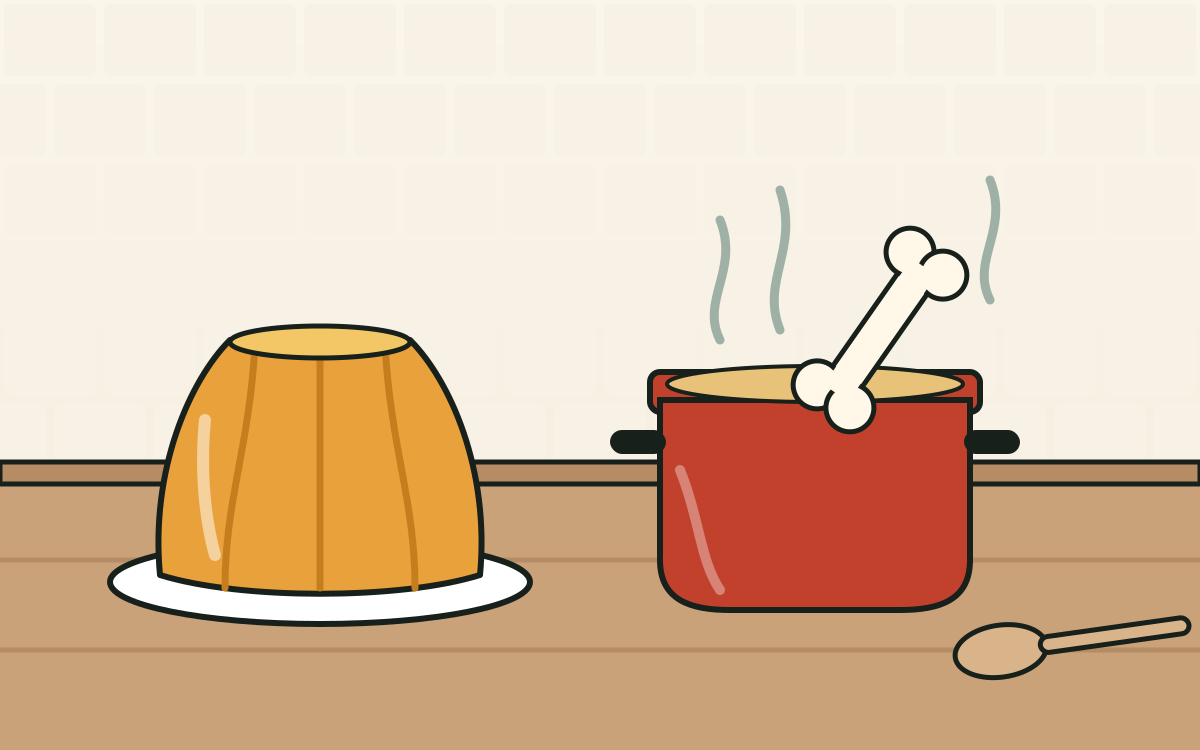
As a supplement, glycine comes in two main forms:
- powder in a tub, which is how it’s usually sold on iHerb;
- tablets or capsules, often with a small amount in each.
The difference goes beyond format. A tablet usually holds a small dose, while the sleep studies used 3 g at a time.
Glycine benefits: what the evidence says
People take glycine mostly for sleep, for “calm” and for memory. The evidence for each varies a lot.
| Goal | What’s known | How reliable |
|---|---|---|
| Sleep | 3 g before bed improved subjective sleep quality and how people felt the next morning | Weak: a few small trials |
| Daytime tiredness after short sleep | One trial found less fatigue on day 1 and faster reaction times | Very weak: 7 people analysed |
| Memory | Measured within sleep studies; no convincing standalone data | No evidence in healthy people |
| Anxiety, “nerves” | No convincing trials in healthy people | No evidence |
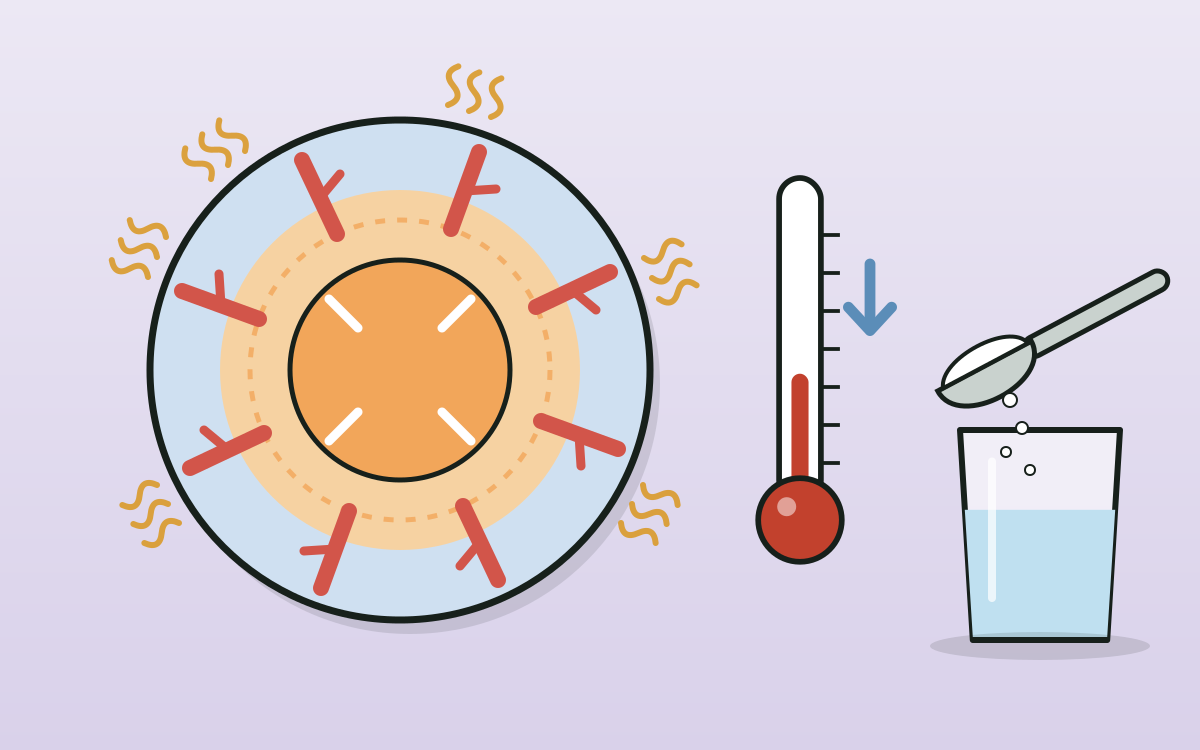
How glycine might affect sleep has mostly been studied in animals. In rats it slightly lowered core body temperature and widened blood vessels in the skin. A drop in core temperature is part of the body’s normal wind-down to sleep. Whether the same mechanism works in people isn’t clear.
Glycine for sleep: the 3 g studies
Almost all the data on glycine and sleep come from a few small Japanese studies. All of them used 3 g of glycine before bed.
- People with unsatisfying sleep. Glycine improved subjective sleep quality and sleep efficiency and reduced daytime sleepiness. Sleep lab recordings (polysomnography) showed people fell asleep faster and reached deep sleep sooner, without changing the overall structure of sleep.
- Healthy men on short sleep. Time in bed was cut by about a quarter for three nights in a row. After glycine, fatigue was lower on day 1, and reaction times were better on days 1 and 3. Sleepiness didn’t change significantly.
These studies have clear limits:
- they were small: the second trial analysed just 7 people;
- some authors worked for a company that makes glycine;
- they lasted days, so there are no long-term data;
- there are no large independent trials yet.
So glycine is a cheap and, as far as we know, well-tolerated thing to try for light, restless sleep. But it isn’t a sleeping pill or a treatment for insomnia.
Why do you want glycine?
Pick your situation to see what's known and what to do
Your situation
What's known
3 g of glycine before bed
In small Japanese trials, 3 g of glycine before bed improved subjective sleep quality and how people felt the next morning. Try it for 1–2 weeks with a sleep diary.
How to take: 3 g of powder about 30 minutes before bed
What's known
Almost no evidence
There are no convincing trials of glycine for memory, anxiety or "calming nerves" in healthy people. If you feel tense all the time, sleep habits and talking to a professional help more.
What's known
Start with one
There are no studies of the two together. Melatonin was studied for a shifted body clock, glycine for light sleep. In the UK, melatonin is prescription-only.
What's known
Check the dose against the studies
Look at how much glycine each tablet holds. At 100 mg a tablet, you'd need 30 to reach the 3 g used in sleep studies. Powder is far more practical.
How to take: 3 g is the dose from sleep studies
What's known
It has less than 3 g of glycine
200 mg of magnesium as bisglycinate comes with about 1.2 g of glycine, less than half the dose from sleep studies. It doesn't replace glycine.
What's known
Ask your GP first
There's little safety data on glycine in pregnancy, breastfeeding or children. If you take psychiatric medicines or sleeping tablets, check with your GP or pharmacist.
Poor sleep for 3 months or more is a reason to see your GP, not to try more supplements.
How to take glycine for sleep
- Sort your routine first. Get up at the same time every day, get daylight in the morning and avoid caffeine for 6 hours before bed. Supplements do little without this.
- Take 3 g of powder, the dose from the studies. Use the scoop that comes with the tub or kitchen scales accurate to 1 g.
- Take it about 30 minutes before bed, stirred into a little water. Glycine tastes slightly sweet.
- Try it for 1–2 weeks and keep a sleep diary: when you fell asleep, when you woke and how you felt in the morning.
- Review. If nothing has changed, there’s little point continuing.
The NHS calls insomnia that lasts 3 months or longer long-term insomnia. See your GP if changing your sleep habits hasn’t helped: they may offer cognitive behavioural therapy (CBT), face to face or online. Sleeping pills are now rarely prescribed, and only for short periods. For other options, see our guide to sleep supplements and the sleep and stress section.
Glycine powder vs tablets
| Tablets or capsules | Powder | |
|---|---|---|
| Amount per unit | Small; check the label | Scoop size is on the tub |
| Getting to 3 g | Many tablets | One measured scoop or scales |
| How to take | Swallow, or dissolve under the tongue | Stir into water |
| Where to buy | Pharmacies, health shops | iHerb, sports nutrition shops |
Check how much glycine each tablet contains. At 100 mg a tablet, you’d need 30 of them to reach the 3 g used in sleep studies, which is why powder is the practical choice.
Glycine and melatonin
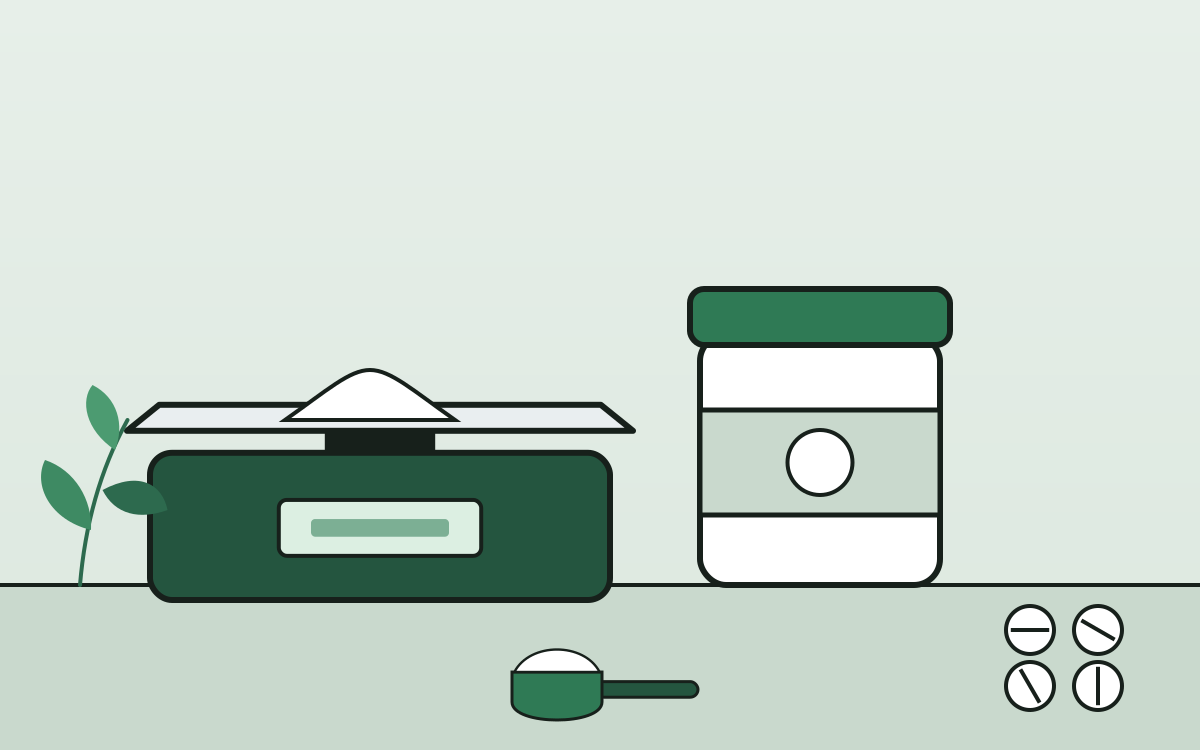
There are no studies of glycine and melatonin taken together. They were studied for different problems: melatonin mainly for a shifted body clock and jet lag, glycine for light, restless sleep. In the UK, melatonin is prescription-only.
If you’re considering both:
- start with one and give it 1–2 weeks;
- add another only if the first isn’t enough;
- don’t combine either with sleeping tablets without your GP’s advice.
Glycine in magnesium glycinate
Magnesium glycinate (bisglycinate) contains glycine too, but not much. 200 mg of elemental magnesium in this form comes with about 1.2 g of glycine, less than half the dose from sleep studies. So magnesium glycinate doesn’t replace 3 g of glycine. More in our magnesium glycinate guide; for every form side by side, see types of magnesium compared. Whether you need magnesium at all is covered in magnesium deficiency symptoms.
Safety and who should avoid it
No serious side effects were reported at 3 g in the sleep studies. But they involved few people and lasted only days, so little is known about long-term use.
Check with your GP or pharmacist first if you:
- are pregnant or breastfeeding;
- want to give it to a child: doses depend on age and weight, so ask a paediatrician;
- take psychiatric medicines, sleeping tablets or anti-seizure medicines;
- have long-term kidney or liver disease.
Before you order a tub, run through this short list:
Before you try glycine
Tick what's true for you. If a line won't tick, talk to your GP or pharmacist first
0 / 7 ticked
All ticked. Try 3 g of powder about 30 minutes before bed for 1–2 weeks, and compare your sleep diary.
Glycine powder on iHerbIf glycine gives you nausea, an upset stomach or daytime drowsiness, lower the dose or stop.
How to choose glycine on iHerb
- Pick a plain powder if you want to try the 3 g dose from studies.
- Check the serving size in grams and the number of servings per tub.
- Read the ingredients: a pure product lists glycine only, with no sugar or flavourings.
- Compare the price per 3 g in £ or €, not per tub.
- Skip “sleep complexes” with ten ingredients in small doses: you can’t tell what’s doing anything.
Our Supplement Facts guide explains how to read labels and work out cost per dose.
Bottom line: what to choose
You also want magnesium
Magnesium glycinate
200 mg magnesium brings about 1.2 g glycine
Glycinate on iHerbButtons lead to selections of the right form on iHerb. These are affiliate links; your price doesn't change.
FAQ
Does glycine help you sleep?
Possibly, a little. In small Japanese trials, 3 g of glycine before bed improved how well people felt they slept and how alert they felt the next day. The studies were short, involved few people and were partly run by a glycine manufacturer.
How much glycine should I take for sleep?
Studies used 3 g about 30 minutes before bed, dissolved in a little water. Try it for 1–2 weeks with a sleep diary. If you notice no difference, there’s little point carrying on.
What are the benefits of glycine supplements?
The best-studied use is sleep, and even that evidence is weak. Claims about memory, anxiety or calming nerves aren’t supported by convincing trials in healthy people. Your body makes glycine itself and gets more from protein foods.
Can I take glycine with melatonin?
There are no studies of the two together. Start with one so you know what’s helping. In the UK melatonin is prescription-only, so talk to your GP if you’re considering it.
Is glycine safe to take every night?
No serious side effects were reported at 3 g in the sleep studies, but they were small and lasted only days. Long-term data are limited. If you’re pregnant, breastfeeding, or take psychiatric medicines or sleeping tablets, check with your GP first.
Glycine powder or tablets: which is better?
Powder, if you want to try the 3 g dose from studies. Tablets usually hold a small amount each, so you’d need many to reach 3 g. Check the amount per tablet on the label before you buy.
Sources
- Yamadera W. et al. Glycine ingestion improves subjective sleep quality in human volunteers, correlating with polysomnographic changes. Sleep and Biological Rhythms, 2007
- Bannai M. et al. The effects of glycine on subjective daytime performance in partially sleep-restricted healthy volunteers. Frontiers in Neurology, 2012
- NHS. Insomnia
- NIH ODS. Magnesium – Fact Sheet for Health Professionals
Glycine at a glance
For adults, based on published trials
- What it is
- a non-essential amino acid found in protein foods
- Dose in sleep studies
- 3 g before bed
- Timing
- about 30 minutes before bed
- Quality of evidence
- a few small trials
- Easiest form for 3 g
- powder
- Ask a doctor first
- pregnancy, children, psychiatric medicines
Glycine isn't a sleeping pill. Insomnia lasting 3 months or more needs your GP, not a supplement.
Shop glycine on iHerbPowder makes it easy to measure 3 g