Electrolytes explained: when you need an electrolyte drink, tablets or powder – and when water is enough
This article contains affiliate links to iHerb. If you buy through them, we earn a commission at no extra cost to you. It doesn't affect which forms we recommend. Learn more
For most everyday workouts, water and normal meals are enough. Electrolytes matter for long endurance sessions, heavy sweating in the heat, and diarrhoea or vomiting – and each needs something different. Read on for what the sodium, potassium and magnesium on the label do, how to avoid drinking too much, and who should skip potassium products.
Electrolytes: what they are and when you need them
Electrolytes are minerals that carry an electrical charge in your blood: sodium, potassium, chloride and magnesium. They balance fluid, carry nerve signals and help muscles contract. Most people get enough from food, and plenty of sodium.
Replacing them separately makes sense when you lose them faster than you eat them:
- long endurance sessions – running, cycling, skiing or hiking for several hours;
- heavy sweating in the heat – training, outdoor work or a hot journey;
- diarrhoea or vomiting – which needs a specific solution, not a sports drink.
| Electrolyte | What it does | Adult guide | Take care |
|---|---|---|---|
| Sodium | keeps water in your circulation; the main electrolyte in sweat | no more than 2.4 g a day (6 g salt) on normal days (NHS) | high blood pressure, heart or kidney disease |
| Potassium | heart, nerve and muscle function | 3,500 mg a day (Food Standards Scotland) | kidney disease, some blood pressure medicines |
| Magnesium | muscles and nerves | 250 mg a day or less from supplements (EFSA) | loosens stools at high doses; kidney disease |
| Chloride | partners sodium; comes with salt | 3.1 g a day (EFSA) | rarely needed separately |
To turn sodium on a label into salt, multiply by 2.5: 400 mg of sodium is 1 g of salt.
Electrolyte drinks for sport: when water isn’t enough
The American College of Sports Medicine (ACSM) stresses that sweat rate and sweat sodium vary widely from person to person. So there’s no single formula. The aim is to avoid losing more than 2% of your body weight during exercise, because that level of dehydration can hurt performance.
How to work out what you lose:
- weigh yourself before and after an hour’s session, without clothes; each kilogram lost is roughly a litre of sweat;
- drink to thirst – the advice of the 2015 international consensus on hyponatraemia;
- if you weigh more after an event than before, you drank too much.
ACSM says that in certain situations a drink with electrolytes and carbohydrate has benefits over plain water. Long sessions and heavy sweating are the usual examples. The carbohydrate gives energy, and sodium helps you hold on to what you drink. For an hour in the gym, water is usually enough, and your next meal replaces the salt and potassium. Pick your situation:
Do you need electrolytes?
Pick your situation to see whether water is enough and what to choose
Your situation
What fits
Water is usually enough
Drink to thirst. Your next meal replaces the sodium and potassium lost in sweat. A sports drink mostly adds sugar.
Guide: Water, to thirst
What fits
Water plus sodium and carbohydrate
ACSM says that in some situations, such as long sessions, a drink with electrolytes and carbohydrate can beat water alone. Weigh yourself before and after: aim to lose no more than 2% of your weight, and never gain.
Guide: Drink to thirst; check sodium and potassium on the label
If you weigh more after the event than before, you've drunk too much – the main cause of hyponatraemia.
What fits
Electrolytes can help
Sweat and sodium losses vary a lot between people. For hot days at work, travelling or hiking, sugar-free effervescent tablets give you salt without extra calories.
Guide: Count the sodium from tablets with the salt in your food
What fits
Oral rehydration salts, not a sports drink
You need a WHO-style rehydration solution with sodium and glucose in a set ratio. Mix exactly as the pack says and sip slowly.
Guide: Per litre: sodium 75 mmol, glucose 75 mmol, potassium 20 mmol
Get urgent advice (GP or NHS 111) if you're confused, very drowsy, dizzy on standing, passing little urine or have a racing heart.
What fits
Talk to your GP first
With kidney disease, potassium and magnesium aren't cleared well. Blood pressure medicines (ACE inhibitors, ARBs, spironolactone) make you hold on to potassium, and sodium raises blood pressure.
Potassium tablets and powders, and salt substitutes made with potassium chloride, only with your doctor's agreement.
Hyponatraemia: why “drink more” can be dangerous
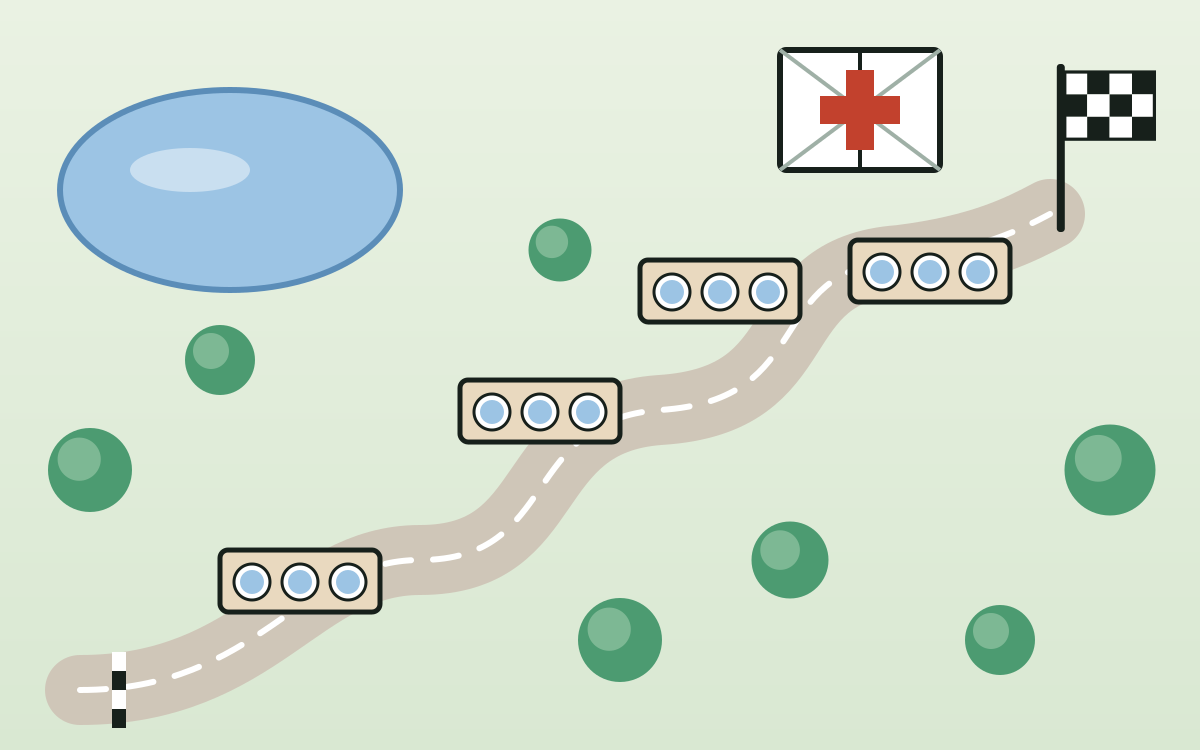
Hyponatraemia means blood sodium below 135 mmol/L. In sport, the 2015 international consensus says the main cause is drinking too much, not too little salt. Your risk is higher if:
- you’re exercising for more than 4 hours at a slow pace;
- you drink at every station rather than to thirst, and gain weight during the event;
- you’re less experienced or less trained, or your BMI is very low or very high.
And one more thing: electrolyte drinks don’t prevent hyponatraemia if you overdrink them. They contain far less sodium than your blood does. Warning signs are nausea, headache, puffiness and confusion. Vomiting, seizures or confusion after a long event need emergency care, not another drink.
Your bathroom scales can show how much you sweat, and if you’re overdoing the water:
The weigh-in test: how much you sweat
Five steps to see whether water is enough for you. Tap a step
Weigh yourself before you start
No clothes, after the loo. Note the number.
- Ordinary bathroom scales are fine
Drink to thirst
That's the advice of the 2015 international consensus on hyponatraemia. Don't drink at every station by the clock.
Weigh yourself again
Still without clothes. Each kilogram lost is roughly a litre of sweat.
- Compare it with what you drank
Lost more than 2% of your weight?
That level of dehydration can hurt performance. Drink a little more next time, and for long sessions use a drink with sodium and carbohydrate.
Heavier after? You drank too much
That's the main cause of hyponatraemia, especially in events over 4 hours. Electrolytes in your drink won't prevent it.
- Warning signs: nausea, headache, puffiness, confusion
- Vomiting, seizures or confusion need emergency care, not another drink
Electrolytes for diarrhoea and vomiting: oral rehydration salts
With a stomach bug you lose water, sodium and potassium in stools and vomit. WHO and UNICEF developed oral rehydration salts (ORS), sold in UK pharmacies as powder sachets. The WHO formula per litre of water:
- sodium – 75 mmol (about 1.7 g);
- glucose – 75 mmol (13.5 g);
- potassium – 20 mmol (about 0.8 g);
- chloride – 65 mmol and citrate – 10 mmol.
The glucose isn’t there for taste: in this ratio it helps your gut absorb sodium and water. According to WHO and UNICEF, the reduced-osmolarity solution cut the need for unplanned drips in children by a third compared with the old formula.
Mix it exactly as the pack says and sip slowly, especially if you feel sick. The NHS says not to give young children fruit juice or fizzy drinks, which can make diarrhoea or vomiting worse. Sports drinks and sugar-free tablets aren’t a substitute for ORS.
Get urgent advice from your GP or NHS 111 if you’re confused or very drowsy, dizzy when you stand up, passing very little urine, or breathing fast or have a racing heart. Babies, older people and anyone with a long-term condition need help sooner.
Sugar-free tablets vs powder vs sports drinks
| Product | What’s in it | When it fits | Downsides |
|---|---|---|---|
| Oral rehydration salts | sodium and glucose in a set ratio, plus potassium | diarrhoea, vomiting | not tasty; not needed for sport |
| Sugar-free effervescent tablets | sodium, potassium, magnesium, sometimes caffeine | hot days, travel, long walks | no energy; not a substitute for ORS |
| Powder with carbohydrate | sodium, potassium, sugar or maltodextrin | running, cycling, hiking for 2+ hours | extra calories on an ordinary day |
| Sports drink | sugar with some sodium and potassium | long matches or races | a lot of sugar for an hour in the gym |
On the label, check the Sodium, Potassium and Magnesium lines per serving. If your powder contains magnesium and you also take magnesium for sleep, add them up: EFSA advises no more than 250 mg a day from all supplements. Some “energy” electrolytes contain caffeine and taurine; our taurine guide explains the latter.
Potassium, magnesium and sodium: who should take care
- Kidney disease. NIH ODS notes that with chronic kidney disease potassium isn’t cleared well, so even intakes below the usual guide can push blood levels dangerously high. Magnesium from supplements is cleared by the kidneys too. Use electrolytes only if your kidney team agrees.
- Blood pressure and heart medicines. ACE inhibitors, ARBs (sartans) and potassium-sparing diuretics (spironolactone, amiloride) make you hold on to potassium. Avoid potassium tablets and powders unless your GP agrees.
- Salt substitutes are often potassium chloride: 440–2,800 mg of potassium per teaspoon. That counts too.
- Older people. Food Standards Scotland advises against potassium supplements without medical advice, because ageing kidneys clear potassium less well.
- High blood pressure and heart failure. Sodium from powders adds to the salt in your food. If you’ve been told to limit fluid or salt, don’t take electrolytes without your doctor’s agreement.
Before combining electrolytes with other supplements, check the pairs in our vitamin compatibility chart.
How to choose electrolytes on iHerb
- Decide what it’s for: long sessions, heat or diarrhoea. For diarrhoea, choose oral rehydration salts.
- For sessions over 2 hours, pick a powder with sodium and carbohydrate; for heat and travel, sugar-free tablets.
- Check the sodium per serving and count it alongside the salt in your food.
- Check the potassium and magnesium, especially if you take magnesium separately or use blood pressure medicines.
- Skip products with caffeine if you train in the evening or are sensitive to it.
- With kidney or heart disease or high blood pressure, talk to your GP first.
If you lift weights, the best-studied supplement is creatine monohydrate, and the core set for men is in our guide to supplements for men. Not sure where to start? Try our vitamin check.
Bottom line: what to choose
Running, cycling, hiking for 2+ hours
Electrolyte powder with carbohydrate
Drink to thirst, not to a schedule
Powders on iHerbDiarrhoea or vomiting
Oral rehydration salts
Mix exactly as the pack says
Rehydration salts on iHerbButtons lead to selections of the right form on iHerb. These are affiliate links; your price doesn't change.
FAQ
What are electrolytes and what do they do?
Sodium, potassium, chloride and magnesium help balance fluid, carry nerve signals and make muscles contract. Most people get enough from food. Replacing them separately makes sense when you lose a lot through sweat in long sessions or heat, or through diarrhoea and vomiting.
Do electrolyte drinks actually work?
Sometimes. The American College of Sports Medicine says a drink with electrolytes and carbohydrate can have benefits over water alone in certain situations, such as long, sweaty sessions. For an hour in the gym, water is usually fine. For diarrhoea, oral rehydration salts work better than sports drinks.
Are electrolyte tablets good for you every day?
Not usually needed if you don’t sweat heavily. Sodium from tablets adds to the salt in your food, and the NHS advises adults to have no more than 2.4 g of sodium (6 g of salt) a day. With high blood pressure or kidney disease, ask your GP first.
Electrolyte powder or tablets: which is better?
It depends on the job. Powders with carbohydrate suit long runs, rides and hikes because they add energy. Sugar-free tablets suit hot days and travel when you need salt but not calories. Neither replaces oral rehydration salts for diarrhoea.
What is exercise-associated hyponatraemia?
A drop in blood sodium below 135 mmol/L during or up to 24 hours after exercise. The main cause is drinking more than you sweat, especially in events lasting over 4 hours. Signs include nausea, headache, puffiness and confusion. Severe cases need emergency care.
Can I take potassium and magnesium supplements with kidney disease?
Only if your kidney doctor agrees. With chronic kidney disease, potassium isn’t cleared well, and even normal amounts can push blood levels too high. Magnesium from supplements is also cleared by the kidneys.
Sources
- Hew-Butler T. et al. Statement of the 3rd International Exercise-Associated Hyponatremia Consensus Development Conference (Br J Sports Med, 2015)
- WHO/UNICEF. Clinical management of acute diarrhoea: joint statement (2004)
- WHO/UNICEF. Reduced osmolarity oral rehydration salts: composition (rehydrate.org)
- American College of Sports Medicine. Position stand: Exercise and fluid replacement (2007)
- NIH ODS. Potassium – Fact Sheet for Health Professionals
- NHS 111 Wales. Dehydration
- Food Standards Scotland. Potassium
Electrolytes at a glance
For adults, based on NHS, WHO, EFSA and NIH ODS
- Workout of about an hour
- water and food are usually enough
- Long sessions, heat
- electrolytes plus carbohydrate; drink to thirst
- Diarrhoea and vomiting
- oral rehydration salts from a pharmacy
- Sodium
- no more than 2.4 g a day on normal days (NHS)
- Magnesium from supplements
- 250 mg a day or less (EFSA)
- Potassium
- kidney disease or some medicines: ask your GP first
If you weigh more after a long race than before it, you've drunk too much. That's the main cause of hyponatraemia, and electrolytes in your drink won't prevent it.
Shop electrolytes on iHerbPowders and effervescent tablets, with or without sugar
Contents
- Electrolytes: what they are and when you need them
- Electrolyte drinks for sport: when water isn’t enough
- Hyponatraemia: why “drink more” can be dangerous
- Electrolytes for diarrhoea and vomiting: oral rehydration salts
- Sugar-free tablets vs powder vs sports drinks
- Potassium, magnesium and sodium: who should take care
- How to choose electrolytes on iHerb