Taurine: what it does, how much is in energy drinks, and whether a taurine supplement is worth taking
This article contains affiliate links to iHerb. If you buy through them, we earn a commission at no extra cost to you. It doesn't affect which forms we recommend. Learn more
Most people know taurine from energy drink cans, and in 2023 it was hailed as a possible longevity molecule. The taurine in energy drinks isn't the worry; the trials on blood pressure and exercise show small effects, and the ageing data still come from mice.
What taurine is
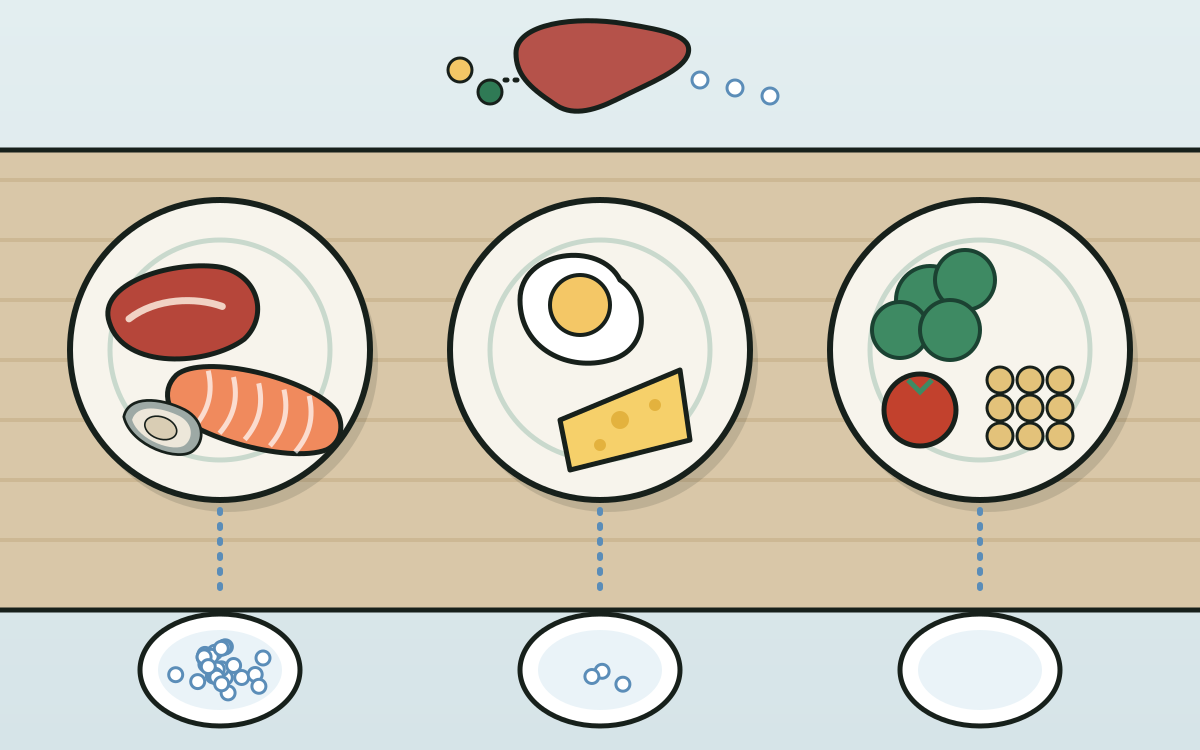
Taurine is an amino acid that isn’t built into proteins. Instead it works in free form inside cells. Levels are highest in “electrically active” tissues: the brain, the retina and the heart. Your body makes taurine itself, mainly in the liver, from the amino acids methionine and cysteine.
Food sources are meat, fish and seafood. According to a review in the Cleveland Clinic Journal of Medicine:
- a typical meat-containing US diet provides 123–178 mg of taurine a day;
- vegetarians who eat dairy and eggs get about 17 mg;
- a vegan diet provides almost none.
Taurine deficiency isn’t a common problem in healthy adults, because the body tops it up. So people take supplements not to fix a shortfall but hoping for benefits for the heart, blood pressure or training.
Taurine in energy drinks: how much, and is it safe?
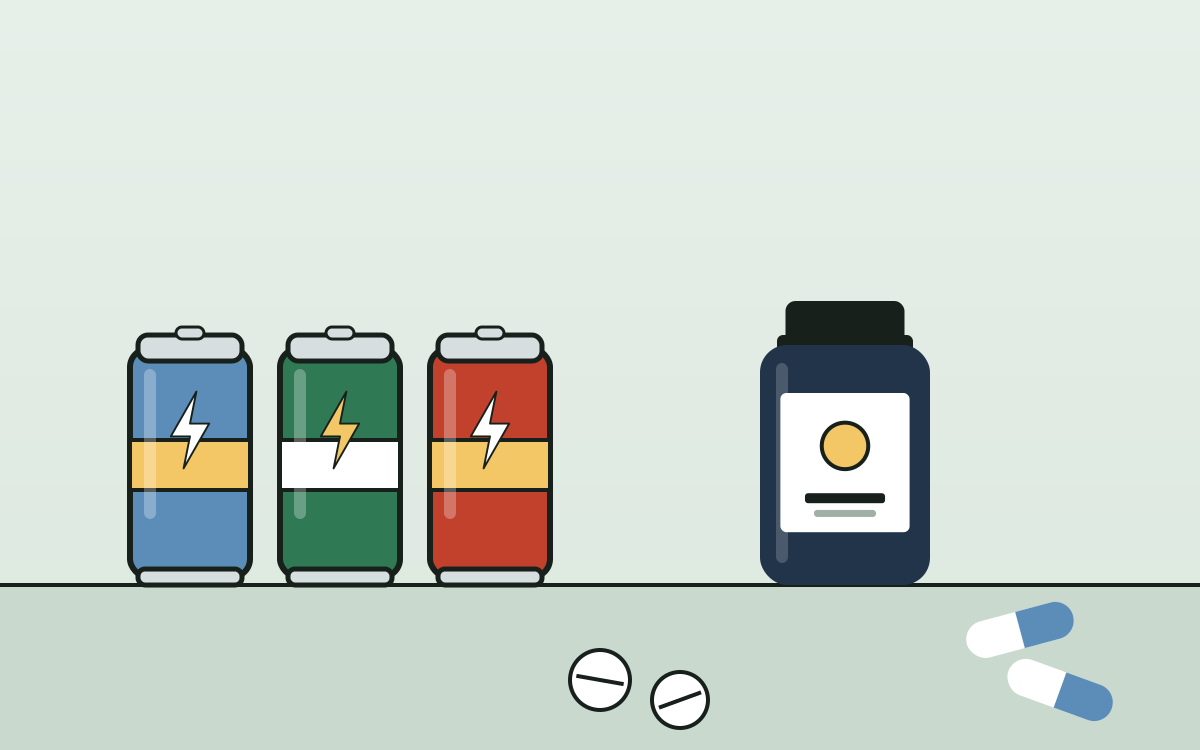
Taurine is one of the signature ingredients of energy drinks. A review of 49 drinks found an average of about 3.2 g per litre, roughly 750 mg per 240 ml serving. Some drinks contained up to 1,000 mg per serving.
In 2009 EFSA assessed taurine in energy drinks and concluded that regular consumption isn’t a safety concern. Its working went like this:
- an average regular consumer drinks about 125 ml a day, half a can;
- a high consumer drinks about 350 ml a day, or 1.4 cans of 250 ml;
- animal studies showed no harmful effects up to 1,000 mg per kg of body weight a day;
- for a 60 kg high consumer, that’s 43 times more taurine than the drinks provide.
In its 2015 caffeine opinion, EFSA also judged caffeine combined with taurine at energy drink levels to be safe for healthy adults. Caffeine is the real issue with energy drinks.
| Source | Taurine | Caffeine |
|---|---|---|
| Typical diet with meat | 123–178 mg a day | – |
| Energy drink, 250 ml | up to 1,000 mg | about 80 mg |
| Taurine capsule | usually 500–1,000 mg | none |
| Doses in trials | 1–6 g a day | – |
| Well-supported safe intake | up to 3 g a day | up to 400 mg a day for adults |
Caffeine from energy drinks, according to EFSA (2015):
- adults can safely have up to 200 mg at once and up to 400 mg a day from all sources;
- in pregnancy and while breastfeeding, up to 200 mg a day;
- for children and teenagers, EFSA proposed a guide of 3 mg per kg of body weight a day, so energy drinks aren’t suitable for them;
- up to 200 mg of caffeine is unlikely to mask how drunk you feel, but it’s still wise not to mix energy drinks with alcohol.
How much taurine you get a day
Choose a source and enter how many cans or capsules you have a day
2,000 mg taurine a day
Taurine from the source you picked
67% of 3,000 mg, the intake with strong evidence of safety (Shao and Hathcock, 2008)
Within the well-studied range. If these are energy drinks, count the caffeine too: about 80 mg in a 250 ml can, and no more than 400 mg a day for adults
Taurine on iHerbAcross 49 energy drinks, taurine averaged about 3.2 g per litre, with up to 1,000 mg per 240 ml serving in some (Cleveland Clinic Journal of Medicine review, 2016). The can options use the top figure, so check your label. Taurine from food (about 120–180 mg a day for meat eaters) isn't included.
Taurine benefits: what the evidence says
| Goal | What trials found | How reliable |
|---|---|---|
| Blood pressure | Systolic about 4 mmHg lower, diastolic 1.4 mmHg lower on average | Moderate: 20 small, short trials |
| Heart rate | About 3.6 beats per minute lower | Moderate: the same trials |
| Endurance | A small boost after a single 1–6 g dose | Weak to moderate: 10 trials |
| Ageing, longevity | Mice lived longer; not studied in people | No human data |
Why are you thinking about taurine?
Pick a goal to see what trials found and what to check before buying
Your goal
What's known
A real but modest drop
In a 2024 meta-analysis (20 trials, 808 people), systolic pressure fell by about 4 mmHg and diastolic by 1.4 mmHg on average. The trials were small and short.
In trials: 0.5–6 g a day
If you take blood pressure tablets, the effects may add up. Check with your GP first.
What's known
Little data, small effect
In a 2018 meta-analysis of 10 studies, a single dose slightly improved endurance, and the dose made no difference. For strength and sprints, creatine is far better studied.
In trials: 1–6 g as a single dose
What's known
So far, a mouse result
In a 2023 study, mice given taurine lived 10–12% longer. It hasn't been tested in people, and a 2025 NIH study found blood taurine tends to rise rather than fall with age.
What's known
Count the caffeine, not the taurine
A 250 ml can holds up to 1,000 mg of taurine and about 80 mg of caffeine. EFSA found no concern with the taurine; for caffeine, adults should stay within 400 mg a day from all sources.
Energy drinks aren't suitable for children and teenagers.
What's known
Ask a doctor first
There's little safety data for the supplement. A paediatrician decides any dose for a child. In pregnancy, keep all caffeine, energy drinks included, within 200 mg a day.
What's known
Start with 1 g a day
Safety is best supported up to 3 g a day. Review after 4–8 weeks; if blood pressure is the goal, compare your home readings.
In trials: 1–3 g a day
Taurine, the heart and blood pressure
A 2024 meta-analysis pooled 20 randomised trials with 808 people aged 20–89. Daily doses ranged from 0.5 to 6 g, and the trials lasted from 5 days to several months. Systolic blood pressure fell by about 4 mmHg on average, diastolic by 1.4 mmHg and heart rate by 3.6 beats per minute.
The authors note real limits: the trials varied a lot, 14 of the 20 didn’t report how group allocation was kept hidden, and follow-up was short. Taurine doesn’t replace blood pressure medicines your GP has prescribed.
Taurine for exercise
A 2018 meta-analysis of 10 studies found that a single 1–6 g dose of taurine slightly improved endurance, such as time to exhaustion. The effect was small and didn’t depend on the dose. For strength and repeated sprints, creatine has much better evidence.
Taurine and ageing: don’t get ahead of the data
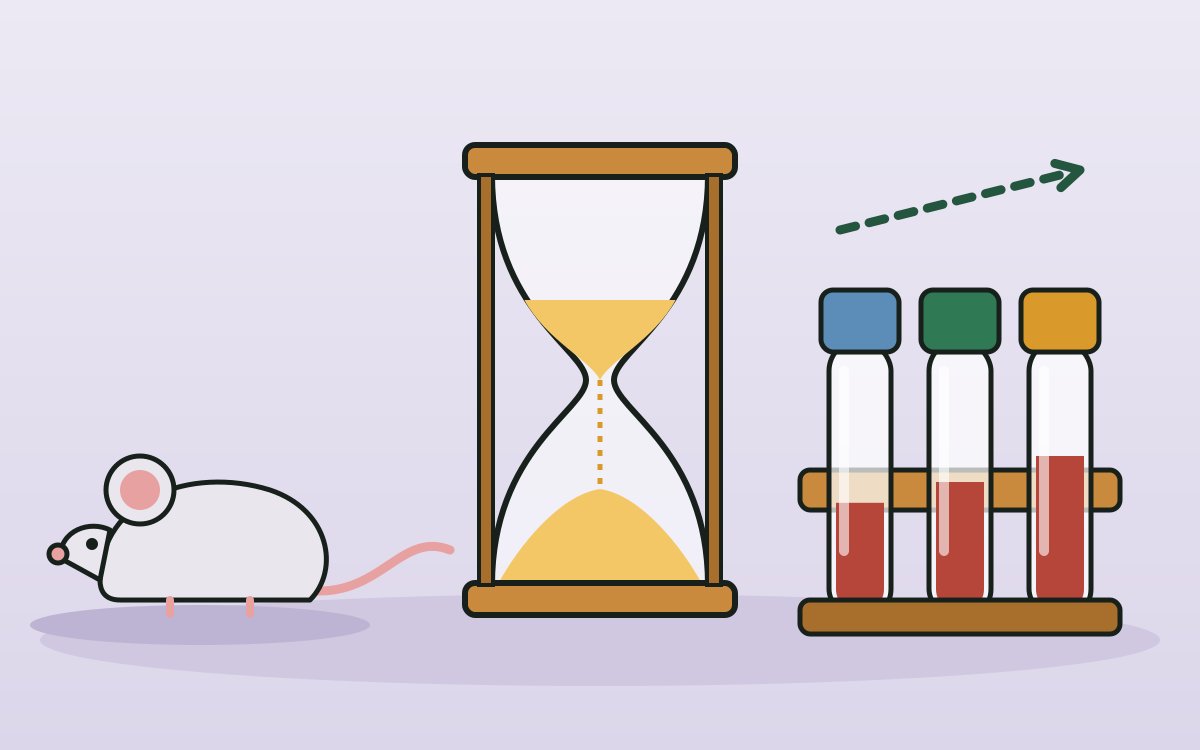
In 2023 the journal Science published a study in which taurine extended the lifespan of mice by 10–12% and improved health markers in monkeys. The authors also reported that blood taurine falls with age in people.
In 2025 NIH researchers checked this in three groups of people, in monkeys and in mice. Taurine levels mostly rose or stayed the same with age, and the differences between individuals were larger than any age-related change. NIH says there are no solid clinical data showing taurine supplements benefit people. For now, taurine for longevity is a hypothesis from animal studies.
How to take taurine
- Decide on your goal. Blood pressure, training or plain curiosity: this decides how you’ll judge the result.
- Start with 1 g a day. Blood pressure trials used up to 6 g, but safety is best supported up to 3 g a day.
- Don’t go above 3 g a day without your GP. Long-term safety data for higher doses are thin.
- Review after 4–8 weeks. For blood pressure, a home monitor works well: measure at the same time each day, say before your morning coffee, and write the numbers down.
- Count taurine from energy drinks. If you drink them, add up both the taurine and the caffeine.
Taurine side effects and who should avoid it
Taurine is well tolerated at the doses studied. A 2008 risk assessment by Shao and Hathcock found strong evidence of no harm up to 3 g a day. Trials have used up to 10 g a day for 6 months. In the 2024 meta-analysis, side effects were no more common than in control groups.
But long-term data are limited, and taurine may lower blood pressure a little. Talk to your GP or pharmacist first if you:
- are pregnant or breastfeeding;
- want to give it to a child: doses depend on age and weight, so ask a paediatrician;
- take blood pressure medicines, as the effects may add up;
- have kidney, liver or heart disease;
- take several medicines: taurine inhibits CYP2E1, a liver enzyme that handles many drugs. No harmful combinations have been confirmed, but this has barely been studied.
Energy drinks are a separate matter. Because of the caffeine, they aren’t suitable for children, and in pregnancy all caffeine for the day should stay within 200 mg. Palpitations, anxiety or poor sleep after energy drinks are a reason to stop them, not to switch to taurine capsules.
Taurine in blends and what to pair it with
Taurine often turns up in pre-workouts, electrolyte drinks and “energy” products alongside caffeine. Before buying, check the caffeine per serving and add it to what you already drink each day.
For heart health, other supplements have more evidence: omega-3 lowers triglycerides, and we cover CoQ10 separately. Another amino acid linked to energy is L-carnitine; see what it really does. All supplements in this group are in the energy and heart section.
How to choose taurine on iHerb
- Look for taurine without caffeine if you don’t want a stimulant.
- Check how much taurine each capsule or scoop holds: usually 500–1,000 mg.
- Compare the price per 1 g in £ or €, not per tub.
- Skip “energy blends” with ten ingredients if taurine is all you want.
- Not sure you need a supplement at all? Try our vitamin check.
Our Supplement Facts guide shows how to find the grams on a label and work out the cost per dose.
Bottom line: what to choose
Trying it for blood pressure or sport
Taurine capsules
1–3 g a day, with home blood pressure checks
Taurine on iHerbButtons lead to selections of the right form on iHerb. These are affiliate links; your price doesn't change.
FAQ
What are the benefits of taurine?
Taurine is found throughout the body, especially in the brain, retina and heart. Your body makes it from methionine and cysteine, and you also get it from meat and fish. As a supplement it has been studied for blood pressure, heart health and endurance, with small effects.
Is taurine in energy drinks bad for you?
EFSA concluded in 2009 that taurine from regular energy drink use isn’t a safety concern. Even for someone drinking about 1.4 cans a day, the safety margin for taurine was 43-fold. The risks of energy drinks come mainly from caffeine and sugar.
How much taurine is in an energy drink?
A review of 49 drinks found an average of about 3.2 g per litre, roughly 750 mg per 240 ml serving, with up to 1,000 mg in some. The exact amount is on the label.
How much taurine should I take a day?
Trials used 1–6 g a day. Safety is best supported up to 3 g a day. A sensible approach is to start with 1 g, take it for a few weeks and judge the effect, for example on your home blood pressure readings.
Does taurine slow ageing?
In a 2023 study, taurine extended the lifespan of mice by 10–12%. It hasn’t been tested in people, and a 2025 NIH study found blood taurine tends to rise rather than fall with age in humans. There’s no basis for promising longer life.
What are the side effects of taurine?
In a 2024 meta-analysis, side effects were no more common with taurine than in control groups. Long-term data are limited. Check with your GP first if you’re pregnant or breastfeeding, have kidney, liver or heart disease, or take blood pressure medicines.
Sources
- EFSA. Two popular energy drink ingredients not of safety concern (opinion on taurine and D-glucurono-γ-lactone), 2009
- EUFIC. EFSA opinion on the safety of caffeine
- Caine J.J., Geracioti T.D. Taurine, energy drinks, and neuroendocrine effects. Cleveland Clinic Journal of Medicine, 2016
- Tzang C.C. et al. Insights into the cardiovascular benefits of taurine: a systematic review and meta-analysis. Nutrition Journal, 2024
- Waldron M. et al. The effects of oral taurine dose and supplementation period on endurance exercise performance in humans: a meta-analysis. Sports Medicine, 2018
- Singh P. et al. Taurine deficiency as a driver of aging. Science, 2023
- NIH. NIH researchers conclude that taurine is unlikely to be a good aging biomarker, 2025
Taurine at a glance
For adults, based on EFSA and published trials
- What it is
- an amino acid your body makes itself
- From food
- about 120–180 mg a day for meat eaters
- In an energy drink
- up to 1,000 mg per 250 ml can
- Doses in trials
- 1–6 g a day
- Well-supported safe intake
- up to 3 g a day
- Ask a doctor first
- pregnancy, children, heart or kidney disease
With energy drinks, the main risks are caffeine and sugar, not taurine.
Shop taurine on iHerbCheck the grams of taurine per serving on the label