Berberine: what the evidence says, side effects, drug interactions and who must avoid it
This article contains affiliate links to iHerb. If you buy through them, we earn a commission at no extra cost to you. It doesn't affect which forms we recommend. Learn more
Social media calls berberine "nature's Ozempic". In reality it has a modest effect on blood sugar, unconvincing evidence for weight loss and a long list of drug interactions. Below: what's known about it, and who shouldn't take it.
What berberine is
Berberine is a plant alkaloid. It’s found in barberry, goldenseal, Oregon grape and other plants that have long been used in Ayurvedic and traditional Chinese medicine.
On iHerb and in the US, berberine is sold as a herbal supplement. That means it hasn’t been tested the way diabetes or weight-loss medicines are, and quality and doses can differ between products.
This article isn’t a guide to self-treatment. Berberine interacts with many medicines and must not be taken in pregnancy or while breastfeeding. If you’re still considering it, go through the checklist below and take it to your GP.
Berberine benefits: blood sugar and cholesterol
Most berberine research has been in type 2 diabetes:
| Outcome | What was found | How reliable |
|---|---|---|
| Blood sugar in type 2 diabetes | Lower glucose, possibly less insulin resistance (2021 review: 46 studies, 4,158 people) | Mostly Chinese studies, widely varying results, some of poor quality |
| Cholesterol and blood fats | Possible improvement | Needs better trials |
| Weight and BMI | Reductions in a 2022 review, mainly above 1 g a day for longer than 8 weeks | Not conclusive: high risk of bias, inconsistent results |
| Blood pressure | Possible effect alongside amlodipine | Preliminary |
A 2023 umbrella review confirmed effects on blood sugar, insulin resistance, blood fats and body measurements. Its authors still say the clinical effects need confirming in high-quality randomised trials.
According to the authors of the diabetes review, berberine may be most useful as an add-on to treatment, not a replacement. NCCIH is blunt: don’t replace diabetes treatment with an unproven product.
“Nature’s Ozempic”? Why the comparison doesn’t hold
On TikTok and other platforms, berberine is promoted for weight loss and called “nature’s Ozempic”. The comparison is misleading:
- Ozempic (semaglutide) is a prescription medicine backed by large clinical trials and a well-understood mechanism.
- For berberine, NCCIH calls the weight-loss evidence not conclusive. Many of the studies had a high risk of bias.
- Most people in berberine studies already had diabetes or fatty liver disease. You can’t apply those results to healthy people.
- Doses and formulations varied widely between studies, so there’s no “right” dose for weight loss.
- Most studies were done in Asian countries, and it’s unclear how far the results apply to other groups.
There’s another reason for caution. NCCIH points out that the US FDA warns about diabetes products that seem too good to be true, such as a “natural diabetes cure”. It stresses that you should never replace diabetes treatment with an unproven product.
If your goal is weight loss, start with your GP. Proven treatments for obesity exist, and a supplement doesn’t replace them.
Check yourself before buying berberine
Tick the statements that are true for you. Ticks are saved in this browser only
0 / 6 ticked
All ticked. Now agree a dose, a duration and when to recheck your blood tests with your GP.
How berberine is taken: doses used in studies
There’s no official dose for self-treatment. NCCIH lists 200–1,000 mg two to three times a day as doses considered safe in clinical settings. Effects on weight appeared mainly above 1 g a day taken for longer than 8 weeks.
- Whether to take it, and how much, is your doctor’s decision, especially if you’re treated for diabetes.
- Studies split the daily amount into 2–3 doses.
- On glucose-lowering medicines, you’ll need to check your blood sugar more often.
Goldenseal isn’t a substitute for berberine. When taken by mouth, very little berberine is absorbed from goldenseal, so berberine study results don’t apply to it. The MSD Manual doesn’t recommend goldenseal.
Berberine side effects
Berberine is generally tolerated, but digestive complaints are common:
- nausea and vomiting;
- stomach pain and bloating;
- constipation or diarrhoea.
According to the MSD Manual, berberine may damage DNA in some cells, though what this means for people isn’t yet known. There’s little data on safety over years of use.
Berberine drug interactions
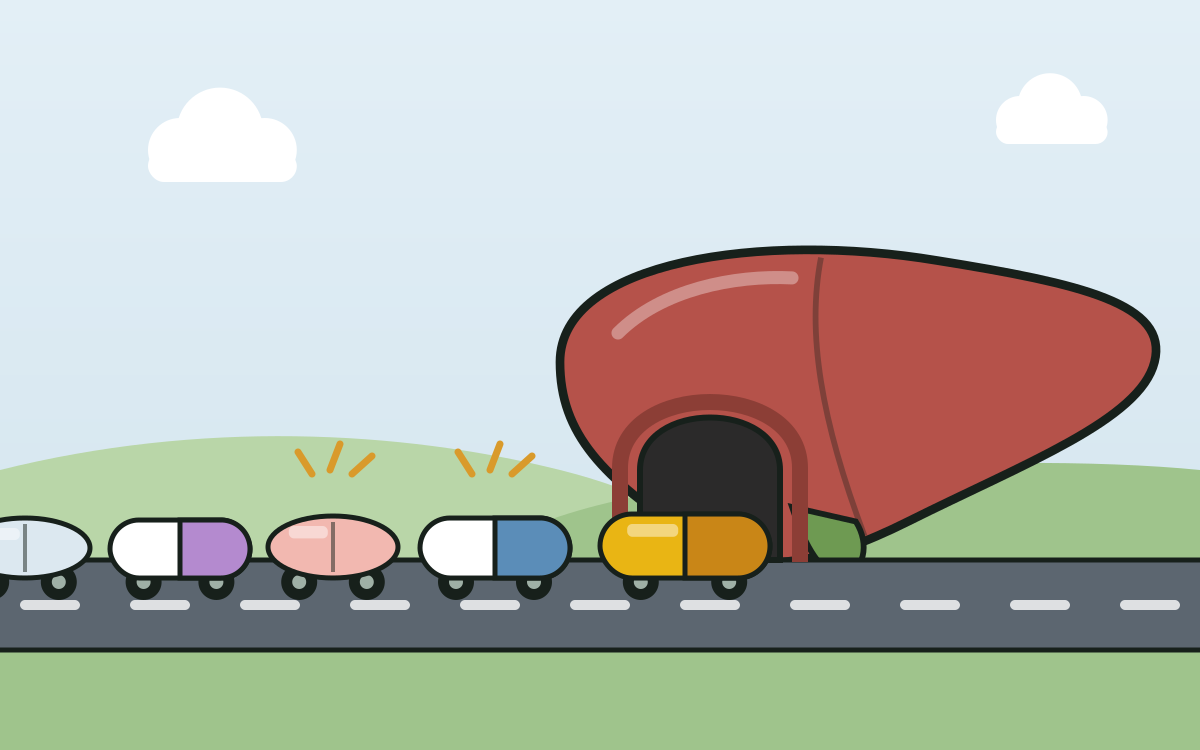
Berberine and the plants that contain it affect how the liver processes many medicines. Key combinations to know:
| Medicine | What can happen |
|---|---|
| Ciclosporin (after organ transplants) | Berberine interacts with it (NCCIH); goldenseal may raise its blood levels |
| Metformin, insulin and other glucose-lowering medicines | Blood sugar may drop too far (hypoglycaemia); in healthy adults given goldenseal, metformin levels fell by about 25% |
| Blood pressure medicines, including losartan | Goldenseal may raise their levels; berberine may reduce conversion of losartan to its active form |
| Warfarin and other anticoagulants | Goldenseal may increase their effect and the risk of bleeding |
| Other medicines processed by the liver | Levels may change: ask your pharmacist |
If you take any regular medicine, talk to your GP before trying berberine, or take the bottle to your pharmacist. Pick your medicine below to see what’s known about the combination.
Berberine and your medicines
Pick what you take regularly to see what can happen
What do you take?
What's known
Don't combine them
NCCIH says berberine interacts with ciclosporin. Goldenseal, one source of berberine, may raise ciclosporin levels in the blood.
If you've had an organ transplant, berberine isn't for you.
What's known
Blood sugar may drop too far
With glucose-lowering medicines, berberine can cause hypoglycaemia. In healthy adults given goldenseal, metformin levels fell by about 25%.
What to do: only if your diabetes team agrees; then check your blood sugar more often
What's known
Medicine levels may change
Goldenseal may raise levels of blood pressure medicines. Berberine may reduce the conversion of losartan to its active form.
What to do: ask your GP or pharmacist first
What's known
Risk of bleeding
Goldenseal may increase the effect of warfarin and other anticoagulants.
What to do: don't start without your doctor
What's known
Ask your pharmacist
Berberine affects how the liver processes many medicines, so their levels may change.
What's known
Lower risk, but still a decision for your GP
The common side effects are nausea, bloating, constipation or diarrhoea. Berberine must not be taken in pregnancy or while breastfeeding.
What to do: studies used 200–1,000 mg two to three times a day
Vitamin and mineral combinations are covered in our compatibility chart.
Berberine: what doctors and official sources say
People searching for doctors’ views usually want to know whether berberine is worth taking. Official medical sources are cautious:
- NCCIH, the US federal agency for research on complementary health approaches, says berberine taken by mouth is generally well tolerated but not without risks. It shouldn’t be used in pregnancy, while breastfeeding or in babies, and the weight evidence is not conclusive.
- The MSD Manual doesn’t recommend goldenseal, one source of berberine, because of side effects and drug interactions.
- A 2023 umbrella review concludes that berberine’s effects need confirming in high-quality trials.
Berberine isn’t for everyone. It’s an option to discuss with your GP if you have type 2 diabetes or raised blood fats and understand the risks.
Who should not take berberine
- Pregnant and breastfeeding women. Berberine may harm the baby. In newborns it can cause or worsen jaundice and lead to kernicterus, brain damage from bilirubin.
- Babies must not be given it, and children should only have it if a doctor advises.
- People who’ve had an organ transplant and take ciclosporin.
- People being treated for diabetes, unless their diabetes team agrees.
- People with a seizure disorder or a bleeding disorder should avoid goldenseal.
With any long-term condition, the decision belongs to your doctor.
How to choose berberine on iHerb (if your GP agrees)
- Go through the safety checklist above and discuss berberine with your GP.
- Choose berberine HCl with a stated dose per capsule, not goldenseal.
- Check the ingredients for other active plant extracts.
- Prefer products with independent quality testing.
- Agree with your doctor how long to take it and which blood tests to recheck.
If blood sugar is your concern, also read our guide to chromium picolinate: the evidence there is even weaker. For other supplements in this section, see energy and heart, and for heart health read how to choose omega-3.
Bottom line: what to choose
Your GP has agreed to it for type 2 diabetes or high cholesterol
Berberine 500 mg
Your doctor sets the dose and duration
Berberine on iHerbYou'd rather avoid goldenseal
Berberine HCl with a stated dose
Very little berberine is absorbed from goldenseal
Berberine HCl on iHerbButtons lead to selections of the right form on iHerb. These are affiliate links; your price doesn't change.
FAQ
What are the benefits of berberine?
Berberine has been studied for blood sugar in type 2 diabetes, cholesterol and weight. The best evidence is for blood sugar: a modest effect from studies that vary widely and are often of low quality. It’s a supplement, not a medicine.
Is berberine "nature's Ozempic"?
No. Ozempic (semaglutide) is a prescription medicine backed by large clinical trials. For berberine, NCCIH calls the weight-loss evidence not conclusive: many studies had a high risk of bias and inconsistent results.
What are the side effects of berberine?
Mostly digestive: nausea, stomach pain, bloating, constipation or diarrhoea. In newborns, berberine can cause or worsen jaundice, which is why it must not be taken in pregnancy or while breastfeeding.
Can I take berberine with metformin?
Only if your GP agrees. With glucose-lowering medicines, berberine can push blood sugar too low. For goldenseal, a source of berberine, lower metformin levels in the blood have also been reported.
Who should not take berberine?
Pregnant and breastfeeding women, babies, and people taking ciclosporin. Don’t give it to children unless a doctor advises it. Anyone on diabetes, blood pressure or blood-thinning medicines should only take it with their doctor’s agreement.
Sources
Berberine at a glance
For adults, based on NCCIH and the MSD Manual
- What it is
- a plant compound from barberry, goldenseal and others
- Blood sugar
- modest drop in type 2 diabetes; inconsistent studies
- Weight
- evidence not conclusive
- Doses in studies
- 200–1,000 mg two to three times a day
- Common side effects
- nausea, constipation, diarrhoea, bloating
- Never
- pregnancy, breastfeeding, babies; with ciclosporin
Berberine doesn't replace diabetes treatment. If you take any medicines, only start it after talking to your GP or pharmacist.
View berberine on iHerbGo through the safety checklist on this page first
Contents
- What berberine is
- Berberine benefits: blood sugar and cholesterol
- “Nature’s Ozempic”? Why the comparison doesn’t hold
- How berberine is taken: doses used in studies
- Berberine side effects
- Berberine drug interactions
- Berberine: what doctors and official sources say
- Who should not take berberine
- How to choose berberine on iHerb (if your GP agrees)