Hair growth vitamins and biotin: what helps, what doesn't and when to see a GP
This article contains affiliate links to iHerb. If you buy through them, we earn a commission at no extra cost to you. It doesn't affect which forms we recommend. Learn more
Vitamins for hair growth only help when hair loss is caused by a deficiency. So start with the cause: the right blood tests, a look back at recent months and, if needed, a GP. And watch out for biotin, which can skew lab results.
Why hair falls out
Losing 50–100 hairs a day is normal: old hairs fall out and new ones grow. It’s worth looking into if you’re finding much more hair on your brush and pillow, you notice bald patches, or your hair looks noticeably thinner.
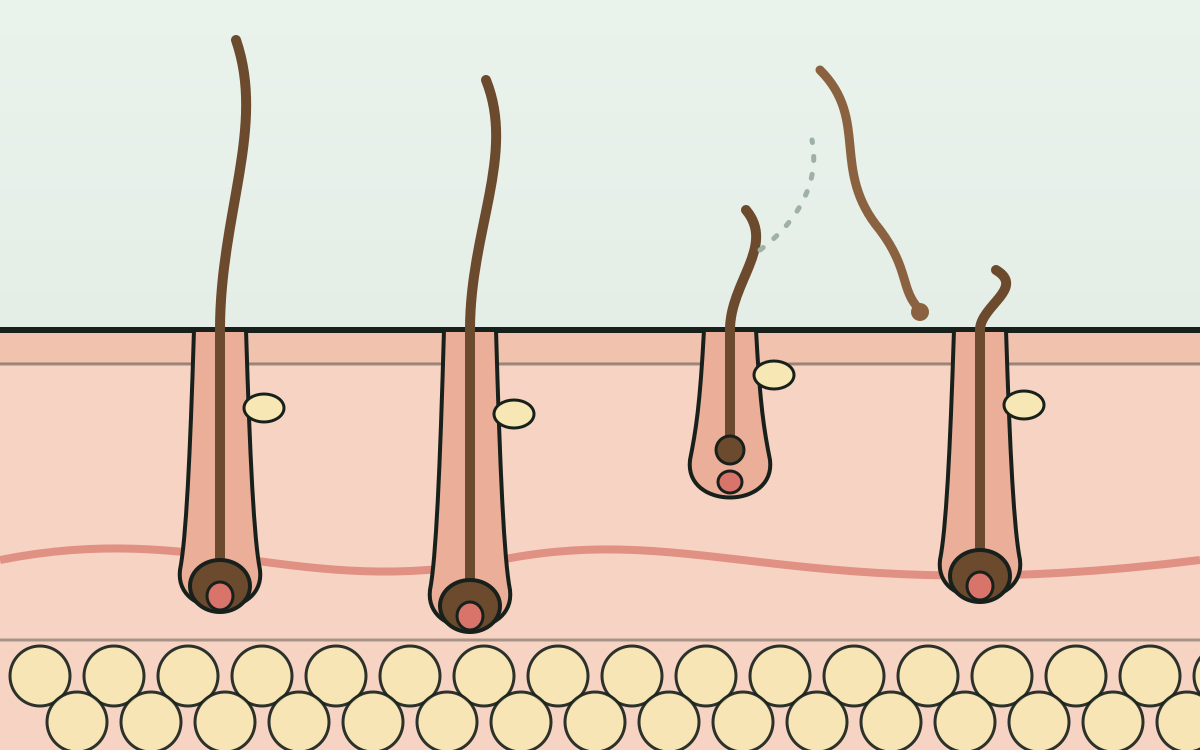
According to the NHS, temporary hair loss is most often caused by:
- an illness;
- stress;
- weight loss;
- cancer treatment;
- iron deficiency.
Some causes can’t be fixed with vitamins. Male and female pattern hair loss is permanent and usually runs in families. Dry hair and hair loss can be signs of an underactive thyroid. Hormonal changes affect hair growth too, and they need a GP, not a hair gummy.
| Cause | How to check | Will supplements help? |
|---|---|---|
| Low iron | ferritin, full blood count | yes, iron as advised by your GP |
| Underactive thyroid | TSH blood test | no, it needs thyroid treatment |
| Illness, stress, weight loss | think back over recent months | hair usually grows back on its own |
| Pattern hair loss | GP assessment | no; medicines such as minoxidil exist |
| Biotin deficiency | rare; tested only if suspected | yes, but deficiency is rare |
| Too much selenium | check your supplement labels | stop the excess |
When hair vitamins help
Hair follicles need vitamins and minerals because their cells divide very fast. That’s why a deficiency can show up as hair loss. A 2019 review of vitamins and minerals in hair loss concluded that deficiencies are a modifiable risk factor, but there’s no proof supplements help when you’re not deficient.
The rule is simple: find the deficiency, then correct that one thing. A “hair, skin and nails” formula with a dozen ingredients doesn’t replace a blood test. It often contains lots of biotin and no iron at all.
Biotin for hair: what we know
Biotin (vitamin B7) helps your body use fats, carbohydrates and protein. Adults need 30 mcg a day, or 35 mcg when breastfeeding. Severe deficiency has never been reported in healthy people eating a normal mixed diet.
Your risk of running low is higher in these situations:
- Inherited biotinidase deficiency. Newborns are screened for it.
- Long-term heavy drinking.
- Pregnancy and breastfeeding: at least a third of pregnant women develop marginal deficiency.
- Some epilepsy medicines (carbamazepine, phenytoin, phenobarbital).
- Regularly eating raw egg whites.
Now to hair. A 2017 review found 18 reported cases where biotin helped hair or nails. Every one of those people had an underlying cause: biotin deficiency or a rare condition. There are no studies showing biotin improves hair in healthy people. NIH ODS describes the evidence as case reports and small studies at best.
Yet hair growth supplements typically contain 5,000–10,000 mcg of biotin. No upper limit has been set because toxicity hasn’t been seen in humans.
The real problem with big doses isn’t toxicity. It’s your blood test results.
Biotin and blood tests: the FDA warning
Many lab tests use a biotin–streptavidin reaction. High biotin levels in your blood from supplements can make results falsely high or falsely low.
The FDA issued a safety warning in 2017 and updated it in 2019. It followed the death of a patient on high-dose biotin whose troponin test (used to diagnose heart attacks) came back falsely low. Biotin can also distort thyroid tests and suggest an overactive thyroid that isn’t there.
What to do:
- Before any blood test, tell your GP and the lab that you take biotin, including in a multivitamin.
- Don’t assume stopping for a few hours is enough. The FDA says it isn’t known how long to wait. A single 10 mg dose has interfered with tests within 24 hours.
- If a result doesn’t match how you feel, remind your doctor about biotin.
Before you buy hair vitamins
Tick off items – your progress is saved in this browser
0 / 6 done
You know the likely cause – now pick a supplement for a confirmed shortfall.
Iron on iHerbIron, zinc and other nutrients for hair
- Iron. The most common fixable cause on the NHS list. The decision rests on ferritin and a full blood count; see our guide to ferritin levels and iron deficiency. Don’t take iron without a test: too much is harmful.
- Zinc. You may fall short on a diet without meat or seafood. EFSA’s upper limit is 25 mg a day including food; our zinc guide shows how to stay under it.
- Vitamin D. Its role in hair growth is being studied, but there’s little evidence that supplements help hair. Follow the general UK advice in our vitamin D3 guide.
- Selenium. Here the risk is too much: the main signs of chronic selenium toxicity are hair loss and brittle nails. EFSA’s upper limit is 255 mcg a day.
When to see a GP or dermatologist
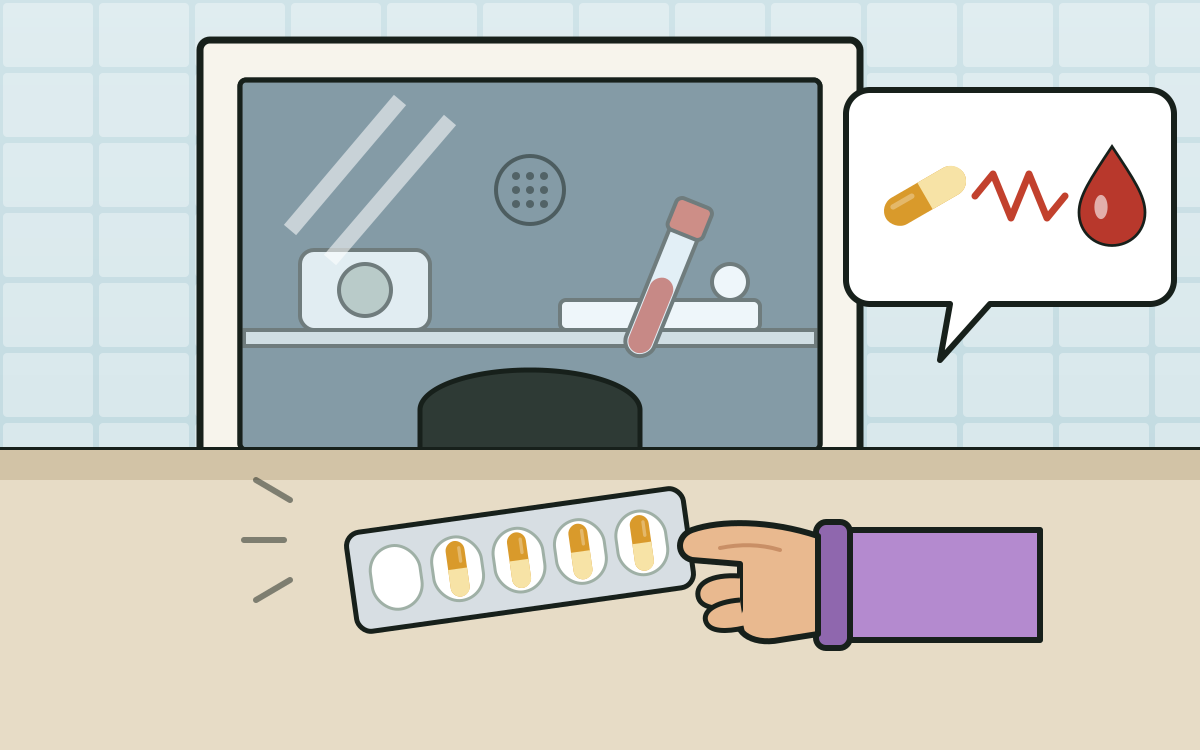
The NHS advises seeing a GP if you’re worried about hair loss, and finding out the cause before paying for a commercial hair clinic. Your GP can order ferritin, a full blood count and a thyroid test, and refer you to a dermatologist if needed. Don’t put it off in these cases:
- You have round bald patches, or hair is coming out in clumps.
- Your scalp is itchy, sore, flaky or red.
- You also feel tired, cold or constipated, or have gained weight. These can be signs of an underactive thyroid.
- Your periods have become heavier or irregular.
- The hair loss started after a new medicine.
- A child is losing hair.
What treats hair loss when vitamins won’t
According to the NHS, most hair loss doesn’t need treatment. It’s either temporary and will grow back, or a normal part of getting older. Hair loss caused by a medical condition usually stops or grows back once you’ve recovered.
If hair loss is getting you down, your GP can talk you through the options:
- minoxidil – a main treatment for male pattern baldness, also used for female pattern hair loss;
- finasteride – for men only; women should not use it;
- steroid injections or creams – for bald patches;
- a hair transplant – for permanent hair loss.
No treatment works for everyone. Minoxidil and finasteride only work for as long as you use them, and not all treatments are available on the NHS. So start with a GP or dermatologist, not a random course of supplements.
Hair, skin and nails formulas: what to check
If you still want a formula, pick up the bottle and find these lines on the label:
- Biotin. 5,000–10,000 mcg is 160–330 times the daily need. It won’t help hair without a deficiency, and it skews blood tests.
- Zinc. Look for 10–15 mg at most: food adds about 8–12 mg, and the limit is 25 mg.
- Selenium. Add it up across all your products: too much itself causes hair loss.
- Vitamin A as retinol. It has a low upper limit and carries risks in pregnancy. More in our guide to vitamins A and E.
- Collagen, keratin, herbal extracts. Doses are usually small, and there’s little or no evidence they help hair. On collagen, see collagen supplements.
Iron in a formula isn’t a plus in itself: take it only for a confirmed deficiency.
Who should avoid hair vitamins
- Before any blood test – high-dose biotin, see above.
- In pregnancy – use a pregnancy supplement and don’t add beauty vitamins on top: they can contain preformed vitamin A.
- If you already take a multivitamin – add up zinc, selenium and vitamin A, which all have low upper limits.
- If you take medicines for epilepsy, your thyroid or blood thinning – check any formula with your GP or pharmacist.
How to choose hair vitamins on iHerb
- Get tested and find out what you’re short of.
- Correct that specific deficiency with a single supplement: iron, zinc or vitamin D.
- If you buy a multi-ingredient formula, look for moderate doses: biotin in the hundreds of micrograms, zinc up to 15 mg.
- Check it against your other supplements so you don’t double up on selenium and vitamin A.
- Don’t expect quick results: hair grows slowly, so judge it over several months.
Our Supplement Facts guide explains how to read doses on a label. See the vitamin compatibility chart for combinations, and more guides in skin, hair and joints.
Bottom line: what to choose
Want something "for hair" anyway
A multivitamin without megadoses
No high-dose biotin, no extra selenium
Multivitamins on iHerbButtons lead to selections of the right form on iHerb. These are affiliate links; your price doesn't change.
FAQ
Does biotin help hair growth?
Only if you’re short of it, which is rare. A review found 18 reported cases where biotin helped hair or nails, and every person had an underlying cause: biotin deficiency or a specific condition. There are no studies showing it helps healthy people.
What are the best vitamins for hair growth?
The ones you’re actually low in. Iron is the most common: ask your GP for ferritin and a full blood count. Hair formulas with megadoses of biotin don’t help without a deficiency.
How much biotin should I take a day?
Adults need 30 mcg a day, 35 mcg when breastfeeding, and a normal diet covers it. Hair supplements often contain 5,000–10,000 mcg. No upper limit has been set, but doses like these can skew blood tests.
Should I stop biotin before a blood test?
Tell your GP and the lab you take biotin before any blood test. It can give false results for thyroid hormones, troponin and other tests. Even a single 10 mg dose has interfered with tests within 24 hours.
What blood tests should I ask for with hair loss?
Usually ferritin, a full blood count and a thyroid test (TSH). Your GP may add others based on your symptoms, for example hormone tests if your periods have changed.
Sources
- NHS. Hair loss
- NIH ODS. Biotin – Fact Sheet for Health Professionals
- Patel DP et al. A Review of the Use of Biotin for Hair Loss. Skin Appendage Disord, 2017
- Almohanna HM et al. The Role of Vitamins and Minerals in Hair Loss: A Review. Dermatol Ther (Heidelb), 2019
- TCTMD. FDA Reminds Clinicians About Biotin Interference With Troponin Tests (report on the 2019 FDA safety communication)
- NHS. Underactive thyroid (hypothyroidism): symptoms
- NIH ODS. Selenium – Fact Sheet for Health Professionals
Hair vitamins at a glance
For adults, based on the NHS and NIH ODS
- Normal shedding
- 50–100 hairs a day
- Common causes
- illness, stress, weight loss, low iron
- Tests first
- ferritin, full blood count, TSH
- Biotin need
- 30 mcg a day (supplements: up to 10,000 mcg)
- Biotin risk
- false lab results, including troponin
- When supplements help
- only with a confirmed deficiency
Vitamins don't treat inherited hair loss or hair loss caused by thyroid disease.
Shop iron on iHerbTake iron only if a blood test shows you're low
Contents
- Why hair falls out
- When hair vitamins help
- Biotin for hair: what we know
- Biotin and blood tests: the FDA warning
- Iron, zinc and other nutrients for hair
- When to see a GP or dermatologist
- What treats hair loss when vitamins won’t
- Hair, skin and nails formulas: what to check
- Who should avoid hair vitamins
- How to choose hair vitamins on iHerb