Magnesium glycinate: benefits, how much to take per day, side effects and the best time to take it
This article contains affiliate links to iHerb. If you buy through them, we earn a commission at no extra cost to you. It doesn't affect which forms we recommend. Learn more
Magnesium glycinate, bisglycinate and "magnesium chelate" on a label almost always mean the same thing: magnesium bound to the amino acid glycine. People choose it because it's gentle on the gut. This page covers what it's good for, how much to take, when to take it and how to spot a buffered product.
What magnesium glycinate is
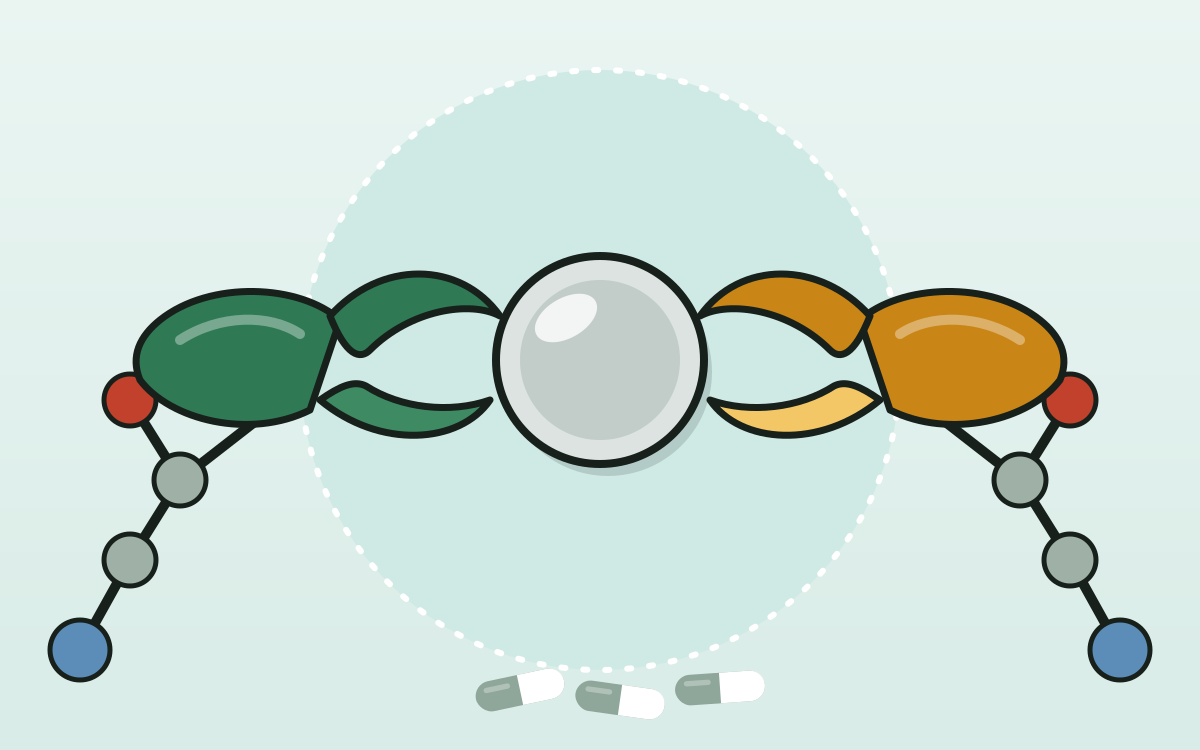
A chelate is a mineral bound to amino acids. In magnesium supplements the amino acid is almost always glycine, so “magnesium chelate”, “magnesium glycinate” and “magnesium bisglycinate” on labels refer to the same form. In bisglycinate, one magnesium atom is bound to two glycine molecules.
Magnesium makes up about 14% of bisglycinate’s weight. That gives a simple conversion:
- 1,000 mg of bisglycinate contains about 140 mg of magnesium;
- 200 mg of magnesium needs about 1.4 g of bisglycinate;
- 200 mg of magnesium in this form comes with about 1.2 g of glycine.
So the dose is counted as elemental magnesium, not compound weight. A clear label reads: “Magnesium (as magnesium bisglycinate chelate) 200 mg”. For glycinate against citrate, oxide and malate, see types of magnesium compared.
| On the label | What it means |
|---|---|
| Magnesium bisglycinate chelate | Magnesium bound to glycine; the classic chelate |
| Magnesium glycinate | Usually the same compound |
| Buffered magnesium glycinate | Glycinate with added magnesium oxide |
| Magnesium glycinate complex, chelate blend | A mix of forms; read the brackets |
| Fully reacted, 100% chelated | The maker’s claim that there’s no oxide; you can’t check it from the label |
Magnesium glycinate benefits
Magnesium helps turn food into energy and supports muscles, nerves and bones. The NHS says adults aged 19–64 need 300 mg a day (men) and 270 mg (women), and that most people can get this from a varied diet.
Glycinate is the usual pick when:
- citrate or oxide give you loose stools or stomach discomfort;
- you plan to take magnesium regularly and want predictable tolerability;
- an evening dose suits your routine;
- your diet is low in nuts, beans and wholegrains.
Check your diet before you buy. According to NIH ODS, 28 g of roasted pumpkin seeds provide about 156 mg of magnesium, 28 g of almonds 80 mg and half a cup of cooked spinach 78 mg. If foods like these are on your plate every day, you may not need a supplement.
What not to expect. Glycinate is often sold “for sleep and calm”. But the evidence that magnesium improves sleep in people who aren’t deficient is weak. And a usual glycinate dose contains less glycine than sleep studies used: they gave 3 g, about 2.5 times the glycine in 200 mg of magnesium as bisglycinate. Our article on glycine for sleep covers that evidence.
Buffered vs fully reacted magnesium glycinate
Pure bisglycinate is bulky: 200 mg of magnesium needs about 1.4 g of powder, which usually means several large capsules. So some brands add magnesium oxide. That fits more magnesium into each capsule and lowers the price. These products are called buffered.

That’s not a scam or poor quality, but there are trade-offs:
- oxide is more laxative, so a buffered product may be less gentle than you expect;
- less glycine for the same magnesium dose;
- cheaper per 100 mg of magnesium and fewer capsules a day.
Tap through a sample label to see how to spot it:
Glycinate label: spot the buffered one
A sample Supplement Facts panel. Tap a line to see what to look for
Supplement Facts
What it means
Serving size
Every number below is for 2 capsules. Bisglycinate is bulky, so 200 mg of magnesium usually takes several capsules.
What it means
Amount and % DV
% DV is the share of the US daily value for magnesium (420 mg). For supplements, go by EFSA's limit of 250 mg of magnesium a day.
What it means
Pure chelate
Only bisglycinate in the brackets means a fully chelated product with no oxide. 200 mg is the magnesium itself, not the compound weight.
What it means
The buffered giveaway
Oxide in the brackets means buffered glycinate. You get more magnesium per capsule at a lower price, but it's more likely to loosen stools and has less glycine.
What it means
Compound weight
Some labels also give the weight of the whole compound. 1,420 mg of bisglycinate is about 200 mg of magnesium, because magnesium is roughly 14% of its weight.
What it means
Other ingredients
The capsule shell and processing aids. Magnesium stearate here is a flow agent and doesn't count towards the magnesium dose.
If you chose glycinate because of your gut, look for “magnesium bisglycinate chelate” alone in the brackets. If “magnesium oxide” appears there too, it’s buffered.
How much magnesium glycinate per day
| Elemental magnesium | Roughly | Use |
|---|---|---|
| 100 mg | 700 mg bisglycinate | Starting dose, to test tolerability |
| 200 mg | 1,400 mg bisglycinate | Usual supplement dose |
| 250 mg | 1,800 mg bisglycinate | EFSA limit for magnesium from supplements |
| 400 mg | 2,800 mg bisglycinate | NHS: unlikely to cause harm from supplements |
- The usual dose is 100–200 mg of elemental magnesium a day.
- EFSA’s upper limit is 250 mg a day from supplements. The NHS says 400 mg or less is unlikely to cause harm, and that more than 400 mg for a short time can cause diarrhoea. Food magnesium doesn’t count.
- In pregnancy the US recommendation is 350–360 mg a day from all sources. Discuss any supplement with your midwife or GP.
- Count magnesium from multivitamins, ZMA, electrolyte drinks and effervescent tablets too.
The chart shows how much powder sits behind each dose, and why a glycinate capsule can’t stand in for glycine at bedtime:
Best time to take magnesium glycinate
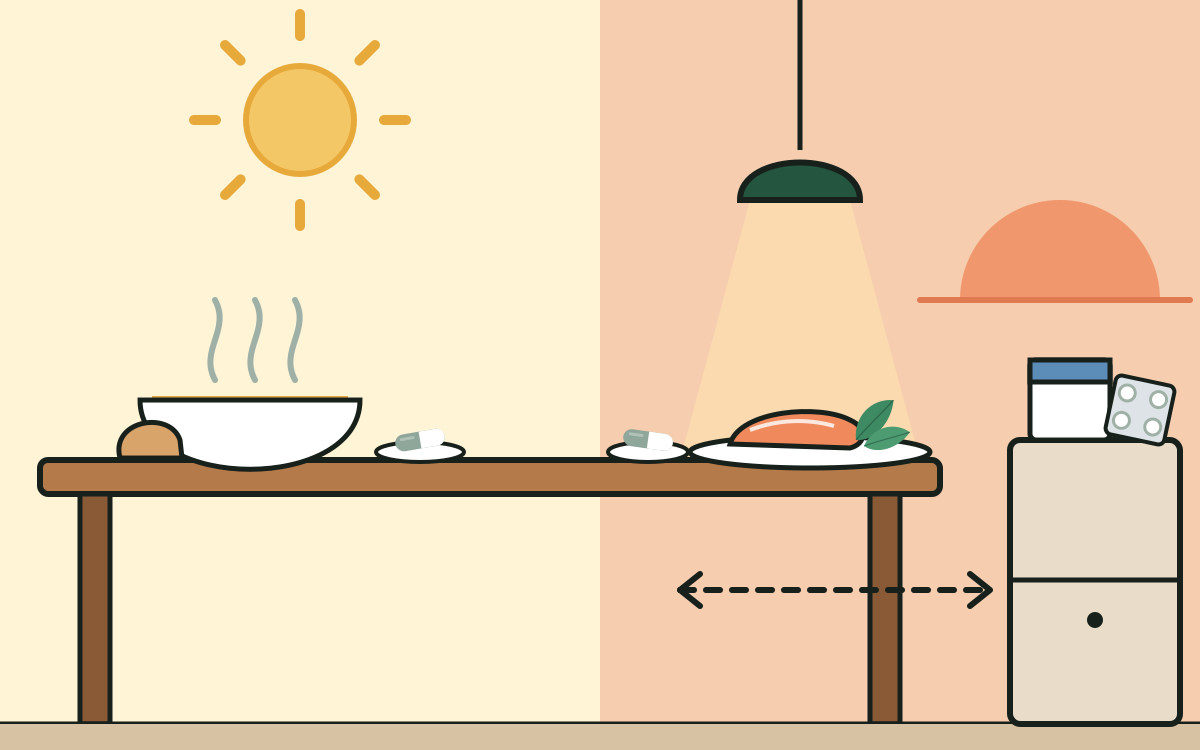
There’s no convincing evidence that morning or evening doses are absorbed better. Practical rules:
- take it with food to reduce nausea;
- split doses above 200 mg into two;
- an evening dose with dinner works well if you link magnesium to your sleep routine;
- keep it apart from medicines: antibiotics, bisphosphonates and levothyroxine are taken separately.
If you also take glycine or another sleep aid in the evening, start one supplement at a time so you know what’s working. Melatonin is prescription-only in the UK. Our sleep and stress section covers the better-studied options.
Magnesium glycinate side effects
Side effects are the same as for other magnesium supplements: loose stools, nausea and stomach cramps. NIH ODS links diarrhoea most often with magnesium carbonate, chloride, gluconate and oxide. Glycinate isn’t on that list, but large single doses and buffered products can still loosen stools.
Serious magnesium excess is rare and usually linked to very large doses of laxatives or antacids, or to kidney disease. Signs include nausea and vomiting, weakness, low blood pressure and an irregular heartbeat. If you notice them, stop taking it and get medical advice.
Who should avoid it and interactions
- Kidney disease. Kidneys clear excess magnesium; if they don’t work well, it builds up. Only under medical supervision.
- Tetracycline and quinolone antibiotics. Take the antibiotic at least 2 hours before or 4–6 hours after magnesium.
- Bisphosphonates. Separate by at least 2 hours.
- Pregnancy and breastfeeding. Check with your GP or midwife.
- Children. Doses depend on age and weight; follow a paediatrician.
Magnesium with added B6 is a separate case, because the B6 dose is the main limit: see magnesium and vitamin B6. If price matters more and your gut is fine, consider magnesium citrate.
How to choose magnesium glycinate on iHerb
- Find elemental magnesium per serving in the Supplement Facts and check how many capsules make that serving.
- Read the form in brackets. “Magnesium bisglycinate chelate” alone means pure chelate; “magnesium oxide” alongside means buffered.
- Choose a strength that gives 100–200 mg of magnesium a day.
- Compare the price per 100 mg of elemental magnesium in £ or €, not per bottle.
- Prefer products with independent quality testing (USP, NSF or similar seals).
Our Supplement Facts guide covers label reading in detail. Not sure you’re short of magnesium? Start with magnesium deficiency symptoms.
Bottom line: what to choose
Fewer capsules a day
Buffered magnesium glycinate
More magnesium per capsule, but more laxative
Buffered on iHerbButtons lead to selections of the right form on iHerb. These are affiliate links; your price doesn't change.
FAQ
What are the benefits of magnesium glycinate?
It tops up magnesium if your diet is low in it, with fewer gut side effects than citrate or oxide. Claims that it calms nerves or improves sleep are weak in people who aren’t deficient. The glycine it contains is less than the 3 g used in sleep studies.
How much magnesium glycinate should I take per day?
Usually 100–200 mg of elemental magnesium a day, which is roughly 700–1,400 mg of bisglycinate. EFSA sets 250 mg a day from supplements as the safe limit. Check the Magnesium line on the Supplement Facts panel and how many capsules make a serving.
What is the best time to take magnesium glycinate?
Timing makes little difference to absorption. Many people take it with their evening meal, which makes it easy to remember. Take it with food, regularly, and away from antibiotics, bisphosphonates and levothyroxine.
What are the side effects of magnesium glycinate?
The same as other forms, but less common: loose stools, nausea and stomach cramps. Buffered products containing oxide and large single doses are more likely to cause them. With kidney disease, magnesium can build up.
Is magnesium glycinate the same as bisglycinate?
In practice, yes. Bisglycinate is the exact chemical name: one magnesium atom bound to two glycine molecules. “Glycinate” and “chelate” on magnesium labels usually mean the same compound.
Can I take magnesium glycinate every day?
Yes, at 100–200 mg of magnesium a day if your kidneys are healthy. Get medical advice first if you have kidney disease, take tetracycline or quinolone antibiotics or bisphosphonates, or are pregnant.
Sources
- NHS. Vitamins and minerals: others (magnesium)
- NIH ODS. Magnesium – Fact Sheet for Health Professionals
- EFSA. Dietary reference values: magnesium and phosphorus (2015)
- Nordic Nutrition Recommendations 2023. Magnesium
- Yamadera W. et al. Glycine ingestion improves subjective sleep quality in human volunteers, correlating with polysomnographic changes. Sleep and Biological Rhythms, 2007
Magnesium glycinate at a glance
For adults, based on NHS, EFSA and NIH ODS
- What it is
- magnesium + glycine (bisglycinate)
- Magnesium share
- about 14% of the compound's weight
- Typical dose
- 100–200 mg elemental magnesium a day
- Supplement limit
- 250 mg (EFSA); 400 mg or less unlikely to harm (NHS)
- Glycine in 200 mg magnesium
- about 1.2 g
- Caution
- kidney disease, some antibiotics, bisphosphonates
The limits apply to magnesium from supplements and medicines only, not from food.
Shop glycinate on iHerbCompare elemental magnesium per serving and look for the word buffered