Vitamin D tablets: how much vitamin D3 to take, which form, and whether you need D3 with K2
This article contains affiliate links to iHerb. If you buy through them, we earn a commission at no extra cost to you. It doesn't affect which forms we recommend. Learn more
In the UK, vitamin D is one of the few supplements the NHS advises for almost everyone, at least from October to March. The dose it recommends is small: 10 mcg (400 IU) a day. Many bottles on iHerb hold more than 12 times that. This page covers the dose, the form and when K2 is worth adding.
NHS vitamin D advice: who needs tablets and when
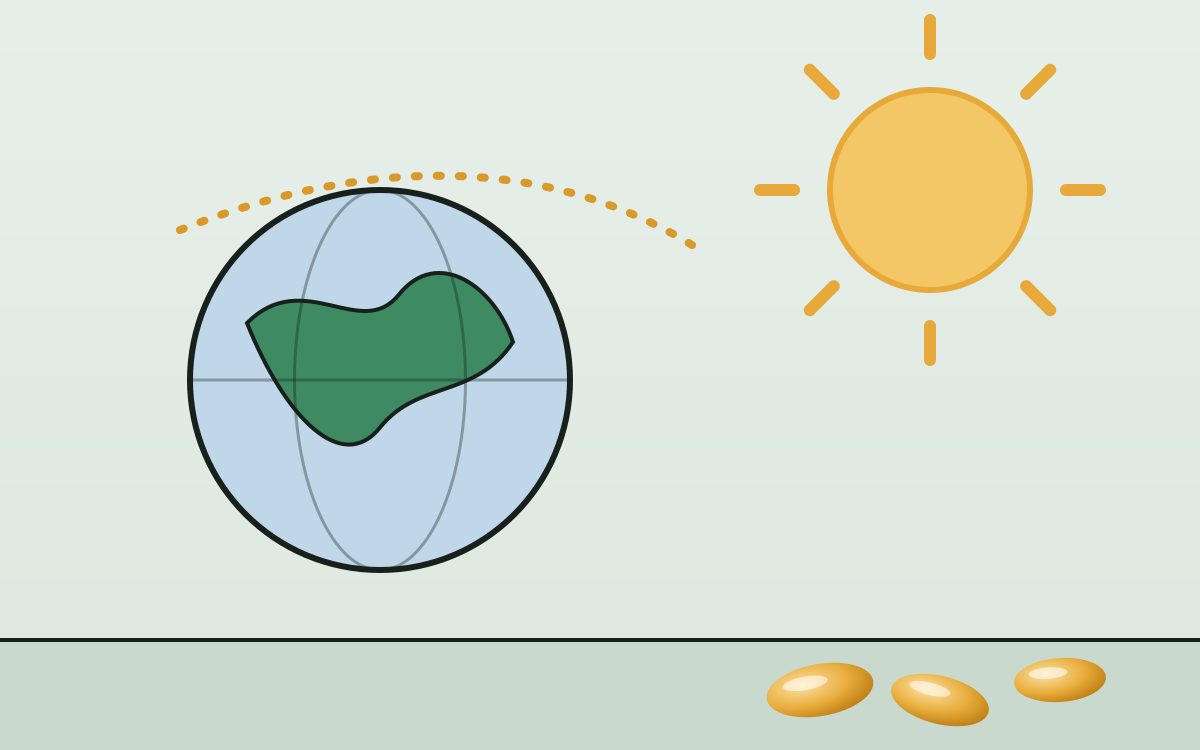
Your skin makes vitamin D from UVB sunlight. In the UK, the NHS says most people can make all they need from late March or early April to the end of September. Between October and early March the sun is too low, and we don’t make enough.
That’s why the NHS advises everyone to consider 10 mcg (400 IU) of vitamin D a day in autumn and winter. Some people should take it all year round:
- anyone who is rarely outdoors, for example because they’re frail or housebound;
- people living in a care home or another institution;
- those who usually cover most of their skin when outside;
- people with dark skin, such as those of African, African-Caribbean or south Asian background;
- all children aged 1 to 4.
Babies under 1 need 8.5–10 mcg a day unless they drink more than 500 ml of infant formula. In pregnancy and breastfeeding, the NHS advice is also 10 mcg. Ask your midwife if you’re unsure.
Which months the sun works for you depends on where you live. Our vitamin D sunlight calendar shows them by city. For other winter nutrients, see vitamins to take in winter.
Can you get enough vitamin D from food?
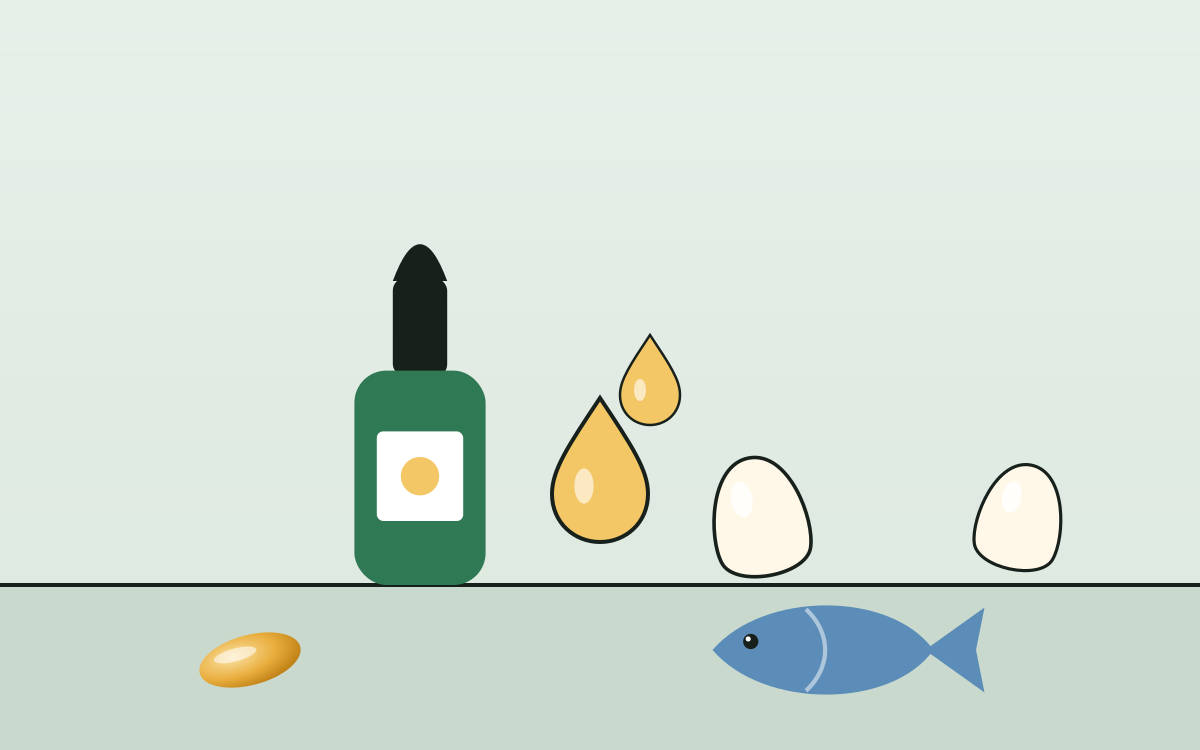
Rarely. Only oily fish, cod liver oil, egg yolks, liver and fortified foods contain useful amounts. In the UK, some fat spreads and breakfast cereals are fortified, but the amount varies by brand. Compare a normal portion with the NHS daily amount:
One portion of oily fish can cover a day or more. Most other foods give a fraction of 10 mcg, and few people eat mackerel every day, so a supplement is the simplest option in winter.
How much vitamin D3 to take: IU to mcg
UK labels give vitamin D in micrograms (mcg), and many iHerb products show international units (IU) too. The conversion is simple: 1 mcg = 40 IU. For other nutrients, use our IU to mcg converter.
| IU | mcg | What this dose is |
|---|---|---|
| 400 | 10 | NHS daily amount for adults and children over 1 |
| 600–800 | 15–20 | EFSA adequate intake; US recommended intake |
| 1,000–2,000 | 25–50 | common supplement strengths |
| 4,000 | 100 | NHS and EFSA upper limit for adults |
| 5,000–10,000 | 125–250 | treatment doses, on medical advice only |
Many popular bottles on iHerb are 5,000 IU. They look just like the 400 IU ones, so read the number, not the packaging. 5,000 IU is above the upper limit for long-term daily use. Doctors prescribe doses like this for a confirmed deficiency, for a limited time, with blood tests.
For children, the NHS limits are lower: no more than 50 mcg (2,000 IU) a day at ages 1 to 10 and 25 mcg (1,000 IU) under 12 months. Follow the label and your health visitor or GP.
Vitamin D vs D3 (and D2)
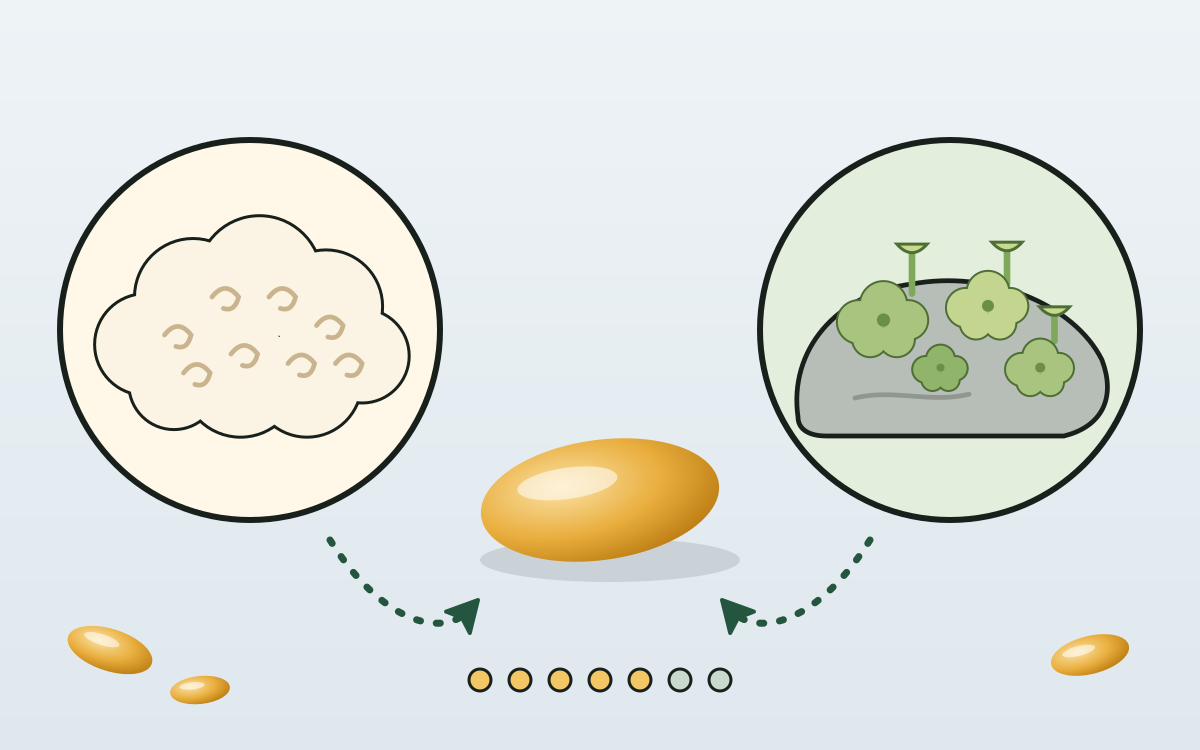
D3 (cholecalciferol) is the same form your skin makes. A 2012 meta-analysis found D3 raises blood levels more effectively than D2 (ergocalciferol). So choose D3. Standard D3 is made from lanolin, the grease in sheep’s wool, so it isn’t vegan. If you’re vegan, look for D3 from lichen, labelled “vegan D3” or “from lichen”.
Vitamin D3 and K2: should you take them together?
Vitamin K2 (usually as MK-7) is involved in calcium metabolism, and brands often pair it with D3. It sounds logical, but no large trials show that the pair adds benefit at ordinary D3 doses. For most people a combined product does no harm; it simply costs more. For the evidence on K2 and calcium, see our guide to vitamin D3 and K2 with calcium.
If you take warfarin or another vitamin K antagonist, don’t take K2 without your doctor: it changes how the drug works.
Vitamin D and immunity
In a large 2021 meta-analysis, daily vitamin D slightly cut the risk of acute respiratory infections. It was clearer with daily moderate doses (400–1,000 IU) than with large, infrequent “bolus” doses. The benefit was small and showed mainly in children. Vitamin D won’t stop you catching colds, and it doesn’t replace vaccination or treatment. For other nutrients, see the immunity section and our zinc supplement guide.
How and when to take vitamin D3
Vitamin D is fat-soluble, so take it with a meal that has some fat in it: eggs on toast, cheese, oily fish or porridge made with milk. The time of day doesn’t matter. Keeping the bottle next to the kettle and taking it with breakfast works for many people.
- Take it daily: for prevention, daily doses look better than large, infrequent ones.
- Count every source. Vitamin D is also in multivitamins, cod liver oil and fortified foods.
How much vitamin D3 fits your situation
Pick the one that sounds like you to see the dose and what to watch
Your situation
What fits
10 mcg (400 IU) a day
The NHS advises everyone to consider 10 mcg a day in autumn and winter. Up to 25 mcg (1,000 IU) stays well below the 100 mcg limit.
Dose: 10–25 mcg (400–1,000 IU) with a meal that contains fat
What fits
10 mcg all year round
The NHS says these groups should take it all year: people who are rarely outdoors, live in a care home, cover most of their skin outdoors or have dark skin.
Dose: 10 mcg (400 IU) a day, every month
What fits
Lichen-based D3
Standard D3 is made from lanolin. Vegan D3 comes from lichen: look for "vegan D3" or "from lichen" on the label.
What fits
Daily, that's over the limit
5,000 IU (125 mcg) is above the 4,000 IU (100 mcg) limit set by the NHS and EFSA. For everyday use, switch to a 400–1,000 IU product.
Doctors use 5,000 IU for a confirmed deficiency, for a limited time, with blood tests.
What fits
D3 yes, K2 only with your doctor
K2 changes how warfarin and other vitamin K antagonists work. Choose D3 without K2 and ask your doctor before adding a combination.
What fits
Ask your GP first
With sarcoidosis or another granulomatous disease, kidney stones, high calcium or a parathyroid condition, don't take vitamin D without medical advice.
Vitamin D side effects: how much is too much
Too much vitamin D raises blood calcium (hypercalcaemia). Signs include nausea, thirst, passing urine often and weakness. In severe cases it damages the kidneys. This usually follows months of very high doses, not the NHS 10 mcg.
Don’t take vitamin D without a doctor if you have sarcoidosis or another granulomatous disease, kidney stones, high calcium or a parathyroid condition. Ask first, too, if you take thiazide diuretics, digoxin or high-dose calcium. Anti-seizure drugs and steroids can lower vitamin D levels, so ask your GP about the dose. If you want to know your level, read about vitamin D test results first.
How to choose vitamin D tablets on iHerb
- Choose D3, or D3 from lichen if you’re vegan.
- Choose the dose: 10 mcg (400 IU) is the NHS amount, and up to 25 mcg (1,000 IU) stays well below the limit. The Endocrine Society (2024) found no extra benefit from routinely going above the recommended intake in healthy adults under 75.
- Pick the format: tablets, softgels, drops in oil or chewables.
- Compare the price per daily dose and check the expiry date. Not sure you need vitamin D at all? Try our quick vitamin check.
Bottom line: what to choose
Most adults from October to March
D3 10–25 mcg (400–1,000 IU) tablets or softgels
Take with a meal that contains fat
D3 on iHerbButtons lead to selections of the right form on iHerb. These are affiliate links; your price doesn't change.
FAQ
How much vitamin D3 should an adult take daily in the UK?
The NHS advises 10 mcg (400 IU) a day from October to March, and all year if you’re rarely outdoors, cover most of your skin or have dark skin. Don’t take more than 100 mcg (4,000 IU) a day unless a doctor advises it. If you have a confirmed deficiency, your GP sets the dose.
Do I need a blood test before taking vitamin D?
Not for the NHS dose of 10 mcg. In 2024 the Endocrine Society also advised against routine testing in healthy people. A 25(OH)D test makes sense if you plan high doses, have symptoms or have a condition that affects calcium.
Should vitamin D3 always be taken with K2?
No. The idea is that K2 helps direct calcium, but there’s little clinical evidence that the pair adds benefit at ordinary D3 doses. If you take warfarin, don’t take K2 without your doctor: it changes how the drug works.
Can I take 5,000 IU of vitamin D3 every day?
Not long-term without medical supervision. 5,000 IU (125 mcg) is above the 4,000 IU (100 mcg) limit set by the NHS and EFSA. Doctors use doses like this for a confirmed deficiency, for a limited time, with blood tests. If you’ve bought a 5,000 IU bottle, switch to 400–1,000 IU.
Is vitamin D the same as D3?
Vitamin D covers two forms. D3 (cholecalciferol) is the one your skin makes, and supplements get it from lanolin or lichen. D2 (ergocalciferol) comes from plants and fungi. D3 raises blood levels more effectively, so most supplements use it.
Vitamin D drops or tablets: which is better?
There’s no meaningful difference in absorption when you take them with food. Drops are easy to dose and swallow, while tablets and softgels are easier to carry. Check the dose per drop: it can be anything from 400 to 5,000 IU.
Sources
- NHS. Vitamins and minerals – Vitamin D
- EFSA. Scientific opinion on the tolerable upper intake level for vitamin D, including the derivation of a conversion factor for calcidiol monohydrate (2023)
- NIH ODS. Vitamin D – Fact Sheet for Health Professionals
- Demay MB et al. Vitamin D for the Prevention of Disease: An Endocrine Society Clinical Practice Guideline, 2024
- Tripkovic L et al. Comparison of vitamin D2 and vitamin D3 supplementation in raising serum 25-hydroxyvitamin D status: a systematic review and meta-analysis. Am J Clin Nutr, 2012
- Jolliffe DA et al. Vitamin D supplementation to prevent acute respiratory infections: systematic review and meta-analysis. Lancet Diabetes Endocrinol, 2021
Vitamin D at a glance
For adults, based on NHS and EFSA
- Daily amount (NHS)
- 10 mcg (400 IU) for adults and children over 1
- When
- October to March for everyone; all year for some groups
- Upper limit
- 100 mcg (4,000 IU) a day (NHS, EFSA)
- Conversion
- 1 mcg = 40 IU
- Best form
- D3 (cholecalciferol)
- Caution
- sarcoidosis, kidney stones, thiazides, high doses without testing
Doses above 100 mcg (4,000 IU) a day only on medical advice and with blood tests.
Shop D3 on iHerbCheck the dose per tablet, softgel or drop
Contents
- NHS vitamin D advice: who needs tablets and when
- Can you get enough vitamin D from food?
- How much vitamin D3 to take: IU to mcg
- Vitamin D vs D3 (and D2)
- Vitamin D3 and K2: should you take them together?
- Vitamin D and immunity
- How and when to take vitamin D3
- Vitamin D side effects: how much is too much
- How to choose vitamin D tablets on iHerb