5-HTP: what it is, what the evidence shows, side effects and why it doesn't mix with SSRIs
This article contains affiliate links to iHerb. If you buy through them, we earn a commission at no extra cost to you. It doesn't affect which forms we recommend. Learn more
5-HTP is sold as a natural mood and sleep aid. Good-quality trials are scarce, and combined with antidepressants and several other medicines it can be dangerous. This page covers what 5-hydroxytryptophan is, what's known about it and who should never take it.
What is 5-HTP?
5-HTP, or 5-hydroxytryptophan, is an amino acid the body makes from tryptophan, which comes from protein in food. The chain looks like this:
- tryptophan from food is converted to 5-HTP;
- 5-HTP is converted to serotonin, a chemical messenger between nerve cells;
- in the evening, serotonin is converted to melatonin, a hormone linked to sleep.
The idea behind the supplement is simple: give the body more raw material for serotonin. But 5-HTP is turned into serotonin in other tissues as well as the brain. How much reaches the brain depends on enzymes and on any medicines you take.
Supplements usually extract 5-HTP from the seeds of Griffonia simplicifolia, a West African plant. On iHerb, 50 mg and 100 mg capsules are the most common.
What is 5-HTP used for, and does it work?
5-HTP is promoted for low mood, sleep, appetite control and headaches. Depression is the best-studied use, and even there the data are thin.
| Use | What we know | Reliability |
|---|---|---|
| Depression | Cochrane, 2002 (5-HTP and tryptophan): 2 of 108 studies met the criteria, 64 patients in total. Better than placebo, but the evidence wasn’t good enough to be conclusive | Very weak evidence |
| Depression | 2020 meta-analysis: 13 studies, few with a placebo group, weak methods | Weak evidence |
| Sleep | We couldn’t find good-quality trials | No data |
| Appetite, headaches | Common in marketing; we couldn’t find convincing trials | No reliable data |
A 2020 meta-analysis looks more upbeat: in the pooled data, about two-thirds of participants reached remission. But results varied widely, few studies had a placebo group, and the authors themselves call the studies weak. Without a placebo comparison, there’s no way to tell how many people would have improved anyway.
The Cochrane authors were cautious: antidepressants with proven effectiveness and safety already exist, so the practical value of 5-HTP is limited for now.
If sleep is your goal, other options have better evidence:
- melatonin, for a disrupted body clock and jet lag (prescription-only in the UK);
- glycine for sleep, 3 g before bed in small studies;
- magnesium glycinate, if your diet is low in magnesium;
- L-theanine, for evening tension.
See our guide to sleep supplements for a comparison.
5-HTP and SSRIs: the risk of serotonin syndrome
The main danger with 5-HTP is combining it with medicines that also raise serotonin. Too much serotonin causes serotonin syndrome, which usually happens when two or more serotonin-boosting substances are taken together. Symptoms can start within minutes to hours, and it can be life-threatening.
Don’t combine 5-HTP with:
- SSRI antidepressants (sertraline, fluoxetine, paroxetine, citalopram) or SNRIs (venlafaxine, duloxetine);
- MAOIs (phenelzine, moclobemide, selegiline), the most dangerous combination;
- triptans for migraine (sumatriptan and others);
- tramadol, dextromethorphan in cough remedies, lithium or St John’s wort.
Signs of serotonin syndrome:
- agitation or restlessness;
- a fast heartbeat and a high temperature;
- twitching or overactive reflexes, loss of coordination;
- nausea, vomiting or diarrhoea.
If these appear, call 999 (112 in the EU) or go to A&E. Don’t stop an antidepressant on your own to switch to 5-HTP: stopping suddenly causes unpleasant symptoms of its own.
Carbidopa, given with levodopa for Parkinson’s disease, is a separate case. It blocks the conversion of 5-HTP to serotonin outside the brain and changes how 5-HTP acts. This combination is for specialists only.
5-HTP and your medicines
Pick what you take to see how risky it is alongside 5-HTP
What do you take?
What to do
Don't combine with 5-HTP
SSRIs (sertraline, fluoxetine, citalopram) and SNRIs (venlafaxine, duloxetine) raise serotonin. 5-HTP is the raw material for serotonin, and together they raise the risk of serotonin syndrome.
Don't stop an antidepressant on your own to switch to 5-HTP: that's a decision to make with your doctor.
What to do
Never combine
Monoamine oxidase inhibitors (phenelzine, moclobemide, selegiline) block the breakdown of serotonin. With 5-HTP this is the most dangerous combination.
What to do
Not without your doctor
Sumatriptan and other migraine triptans act on serotonin receptors. Don't add 5-HTP to them without medical advice.
What to do
Caution
Tramadol, dextromethorphan in cough remedies, lithium and St John's wort also boost serotonin. Each of them raises the risk when combined with 5-HTP.
What to do
Only if prescribed
Carbidopa blocks the conversion of 5-HTP to serotonin outside the brain and changes how it acts. This combination is for specialists only.
What to do
Lower risk, but little proven benefit
Well-designed trials of 5-HTP are few and no safe dose has been set. Start with the lowest dose on the label and don't take it for more than a few weeks without medical advice.
Why 5-HTP is no substitute for depression treatment
Depression is an illness, and it’s more than a low mood after a hard week. It has treatments with proven effectiveness: talking therapies and antidepressants. Swapping them for a supplement can drag the illness out.
See your GP if:
- low mood or loss of interest in things you usually enjoy has lasted more than two weeks;
- sleep, appetite or concentration are affected enough to get in the way of work or relationships;
- you’re drinking more to cope.
If you have thoughts of harming yourself or that life isn’t worth living, don’t wait for an appointment. Call 999 or go to A&E, or call Samaritans free on 116 123 at any time.
Eosinophilia-myalgia and Peak X: why 5-HTP is treated with caution
In 1989 an outbreak of eosinophilia-myalgia syndrome hit the US. It’s a serious illness with severe muscle pain and a high count of eosinophils (a type of white blood cell). It was traced to contaminated L-tryptophan from a single manufacturer, and tryptophan supplements were withdrawn. 5-HTP then took their place on the shelves.
Later, symptoms resembling this syndrome were reported in people taking 5-HTP. Researchers then looked at the products:
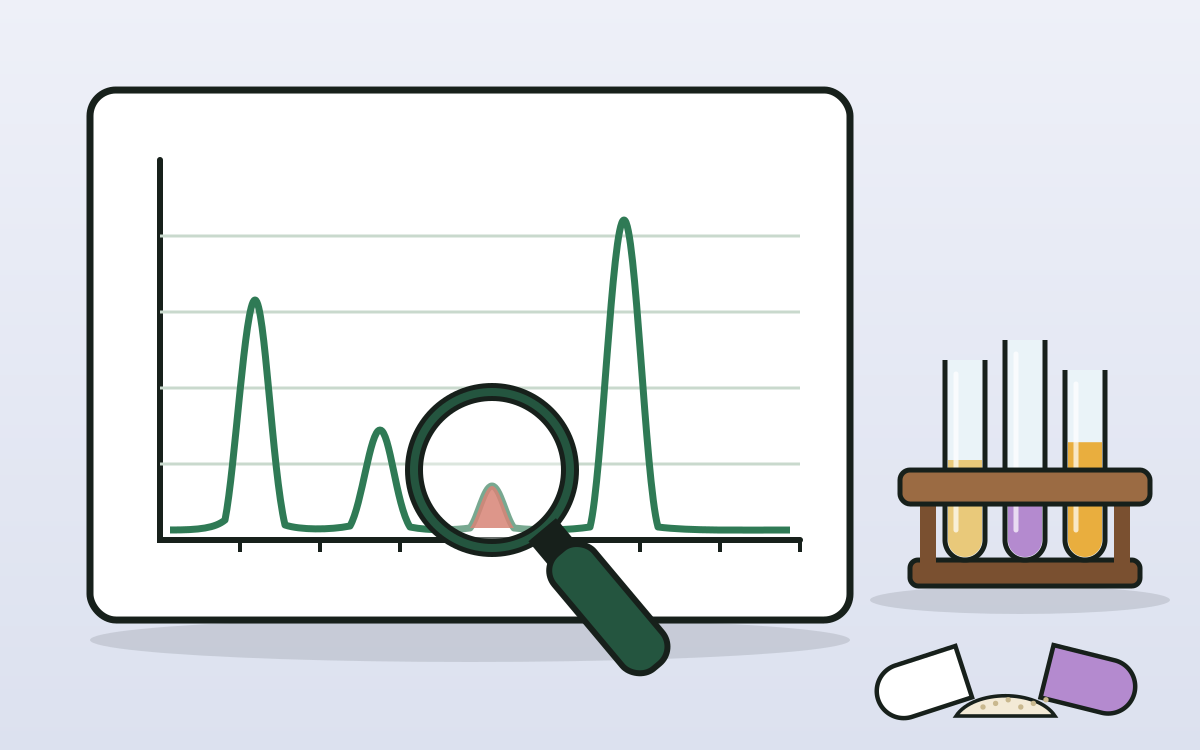
- a contaminant called “Peak X” was detected in 5-HTP linked to cases of the illness;
- in 1999 Mayo Clinic researchers showed that Peak X is a family of contaminants and found them in all 8 commercial 5-HTP samples they tested;
- in 2003 the contaminant was identified as tryptophan-4,5-dione, a suspected nerve toxin. Six shop samples contained 0.5–10.3% of the level found in the case-linked product.
There’s another side to this. A 2004 review by authors from a commercial testing laboratory says no definite cases of 5-HTP toxicity emerged in 20 years of worldwide use, apart from one unresolved case. They put Peak X down to artefacts of the analysis and tiny concentrations.
The question remains open. If you do take 5-HTP, choose independently tested products. Severe muscle pain, swelling, a rash or breathlessness while taking it are reasons to stop and see a doctor.
Who should not take 5-HTP
- Pregnant and breastfeeding women: there’s no safety data.
- Children and teenagers.
- Anyone taking antidepressants, triptans, tramadol, lithium or medicines containing carbidopa.
- Anyone with depression who isn’t under medical care: 5-HTP is not a substitute for treatment.
No safe dose for long-term use has been established. Talk to your GP or pharmacist before buying it, especially if you take any medicines. You can check common vitamins in our vitamin compatibility chart, and read about another popular stress supplement in our ashwagandha guide.
5-HTP blends: what to check
On iHerb, 5-HTP is often sold in blends. Check the label before you buy:
- St John’s wort boosts serotonin itself and interacts with many medicines, so it’s best to avoid these blends;
- vitamin B6 is added because it helps convert 5-HTP to serotonin; count it alongside your other supplements, as explained in our guide to B complex and B6;
- melatonin in sleep blends adds another active ingredient, which makes it hard to tell what caused a side effect. In the UK it’s prescription-only.
Before a bottle goes in your basket, hold its label up against the list below.
Check a 5-HTP label before you buy
Tick what matches the bottle in your basket. Ticks are saved only in this browser
0 / 7 ticked
All ticked. Now show the bottle to your GP or pharmacist and agree how many weeks to take it for.
How to choose 5-HTP on iHerb if your GP agrees
- Make sure you take no serotonergic medicines, including cough remedies with dextromethorphan.
- Choose the lowest strength: 50 mg capsules.
- Pick a product with 5-HTP alone. Blends with St John’s wort or tryptophan add to the risk.
- Prefer products with independent quality testing (USP, NSF or similar seals).
- Don’t take it for more than a few weeks without medical supervision.
Our supplement label guide explains how to find the dose on the Supplement Facts panel. More sleep options are in our sleep and stress section.
Bottom line: what to choose
You take no serotonergic medicines
5-HTP 50 mg capsules
Lowest dose, short course, after talking to your GP
5-HTP on iHerbTension keeps you awake
L-theanine 200 mg
Doesn't cause drowsiness; modest evidence
L-theanine on iHerbButtons lead to selections of the right form on iHerb. These are affiliate links; your price doesn't change.
FAQ
Can you take 5-HTP with an SSRI?
No. 5-HTP increases serotonin production, while SSRIs, SNRIs and especially MAOIs raise serotonin in other ways. Together they increase the risk of serotonin syndrome. Don’t stop an antidepressant on your own to switch to 5-HTP.
What are the side effects of 5-HTP?
The most serious risk is serotonin syndrome when it’s combined with serotonergic medicines. There’s also an unresolved question about contaminants linked to eosinophilia-myalgia syndrome. Stop taking it and see a doctor if you develop severe muscle pain, swelling, a rash or breathlessness.
What is 5-HTP used for?
People take it hoping to improve mood and sleep, reduce appetite or ease headaches. The body turns 5-HTP into serotonin. But good trials are few: in a Cochrane review of depression, only 2 of 108 studies met the quality criteria, and that wasn’t enough to draw conclusions.
Does 5-HTP help you sleep?
We couldn’t find good-quality trials of 5-HTP for sleep. Glycine and L-theanine have small studies behind them, and melatonin has the strongest evidence, though in the UK it’s prescription-only.
What are the signs of serotonin syndrome?
Agitation or restlessness, a fast heartbeat, a high temperature, twitching or overactive reflexes, loss of coordination, nausea and diarrhoea. They can start within minutes to hours. If they appear after 5-HTP or a new combination of medicines, call 999 (112 in the EU) or go to A&E.
Sources
- Shaw K, Turner J, Del Mar C. Tryptophan and 5-hydroxytryptophan for depression. Cochrane Database Syst Rev, 2002
- Javelle F et al. Effects of 5-hydroxytryptophan on distinct types of depression: a systematic review and meta-analysis. Nutr Rev, 2020
- Turner EH, Loftis JM, Blackwell AD. Serotonin a la carte: supplementation with the serotonin precursor 5-hydroxytryptophan. Pharmacol Ther, 2006
- Klarskov K et al. Eosinophilia-myalgia syndrome case-associated contaminants in commercially available 5-hydroxytryptophan. Adv Exp Med Biol, 1999
- Klarskov K et al. Structural characterization of a case-implicated contaminant, "Peak X", in commercial preparations of 5-hydroxytryptophan. J Rheumatol, 2003
- Das YT et al. Safety of 5-hydroxy-L-tryptophan. Toxicol Lett, 2004
- MedlinePlus. Serotonin syndrome
5-HTP at a glance
Based on Cochrane and PubMed reviews
- What it is
- 5-hydroxytryptophan, the raw material for serotonin
- Source
- seed extract of Griffonia simplicifolia
- Evidence
- weak: 2 of 108 depression studies met Cochrane's criteria
- Main risk
- serotonin syndrome with antidepressants
- Avoid
- pregnancy, breastfeeding, children, MAOIs, SSRIs
- Safe dose
- not established
5-HTP is not a treatment for depression. If low mood lasts more than two weeks, speak to your GP.
Shop 5-HTP on iHerbDon't combine with antidepressants, triptans or tramadol
Contents
- What is 5-HTP?
- What is 5-HTP used for, and does it work?
- 5-HTP and SSRIs: the risk of serotonin syndrome
- Why 5-HTP is no substitute for depression treatment
- Eosinophilia-myalgia and Peak X: why 5-HTP is treated with caution
- Who should not take 5-HTP
- 5-HTP blends: what to check
- How to choose 5-HTP on iHerb if your GP agrees