Iron tablets: the best iron supplement, how to take it, and who shouldn't
This article contains affiliate links to iHerb. If you buy through them, we earn a commission at no extra cost to you. It doesn't affect which forms we recommend. Learn more
Iron is one of the few supplements you shouldn't take just in case. If a blood test confirms you're low, it genuinely helps; if you're not, it can do harm. This page compares the forms, explains how to take iron tablets and shows where the safe limits sit.
Who needs iron tablets
Iron is part of haemoglobin, the protein in red blood cells that carries oxygen. When your iron stores run out, haemoglobin falls and iron deficiency anaemia develops.
According to the NHS, the most common reasons for low iron are:
- heavy periods;
- pregnancy, when needs rise (the US recommendation is 27 mg a day);
- hidden bleeding from the stomach or gut, including from regular ibuprofen or aspirin;
- a diet without meat, since iron from plants is absorbed less well because of phytates in grains and pulses.
That gap matters. NIH ODS puts iron absorption at 14–18% from mixed diets and 5–12% from vegetarian ones, so US guidance sets vegetarians’ needs 1.8 times higher. Vitamin C from fruit and vegetables in the same meal helps plant iron, and so does meat or fish. Phytates, tea and coffee polyphenols and calcium reduce it.
Typical symptoms are tiredness, breathlessness, a racing or noticeable heartbeat, pale skin and headaches. Less often you may notice spoon-shaped nails, hair loss, cravings for non-food items or restless legs.
None of these is specific to iron. So start iron tablets only after a blood test: ferritin levels and a full blood count show if you’re deficient and how far.
Best iron supplement: forms and elemental iron
Prescription packs often show the compound weight: “ferrous sulphate 200 mg”. The tablet contains much less actual iron. Supplements on iHerb usually state elemental iron, with the form in brackets: “Iron (as ferrous bisglycinate) 25 mg”.
| Form | Iron share | Notes |
|---|---|---|
| Ferrous sulphate (heptahydrate) | 20% | The classic form: cheap and the best studied |
| Dried ferrous sulphate | about 32% | The UK 200 mg tablet contains 65 mg of iron |
| Ferrous fumarate | 33% | A lot of iron per tablet |
| Ferrous gluconate | 12% | Less iron; a 300 mg tablet gives about 35 mg |
| Ferrous bisglycinate | about 20% | Bound to glycine; absorbed better than sulphate from food |
| Iron polysaccharide complex | varies by product | Labels usually give elemental iron directly; may be gentler on the gut |
There’s little difference between ferrous sulphate, fumarate and gluconate at the same dose of iron, according to the NHS. If one form gives you side effects, another may suit you better. So compare milligrams of elemental iron and how you feel, not the names.
Ferrous bisglycinate
Ferrous bisglycinate (also sold as iron glycinate or chelated iron) is iron bound to two molecules of the amino acid glycine. The joint FAO/WHO expert committee JECFA puts its iron content at 20–27%, depending on the form. In a study using maize porridge, about 6% of the iron was absorbed from bisglycinate and about 1.7% from ferrous sulphate.
Bisglycinate is very common on iHerb. People choose it when ferrous sulphate causes nausea or constipation. Large tolerability trials are few, so it’s a sensible option rather than a guaranteed fix.
How much elemental iron is in your tablet
Pick the form and enter the compound weight from the pack, e.g. "ferrous sulphate 200 mg"
15 mg iron
Elemental iron in one tablet or capsule
88% of 17 mg, the supplement dose the NHS says is unlikely to cause harm. Limits for total iron: 40 mg (EFSA), 45 mg (US)
A maintenance dose. Without a blood test, you don't need more
Ferrous bisglycinate on iHerbIf the label says "Iron (as ferrous bisglycinate) 25 mg", 25 mg is already elemental iron. No need to convert.
How to take iron tablets: timing, food and alternate days
NHS advice for ferrous sulphate works for other forms too:
- Take the tablet on an empty stomach, ideally 30 minutes before a meal or 2 hours after. If that makes you feel sick, take it with food: you’ll absorb less, but you’ll stick with it.
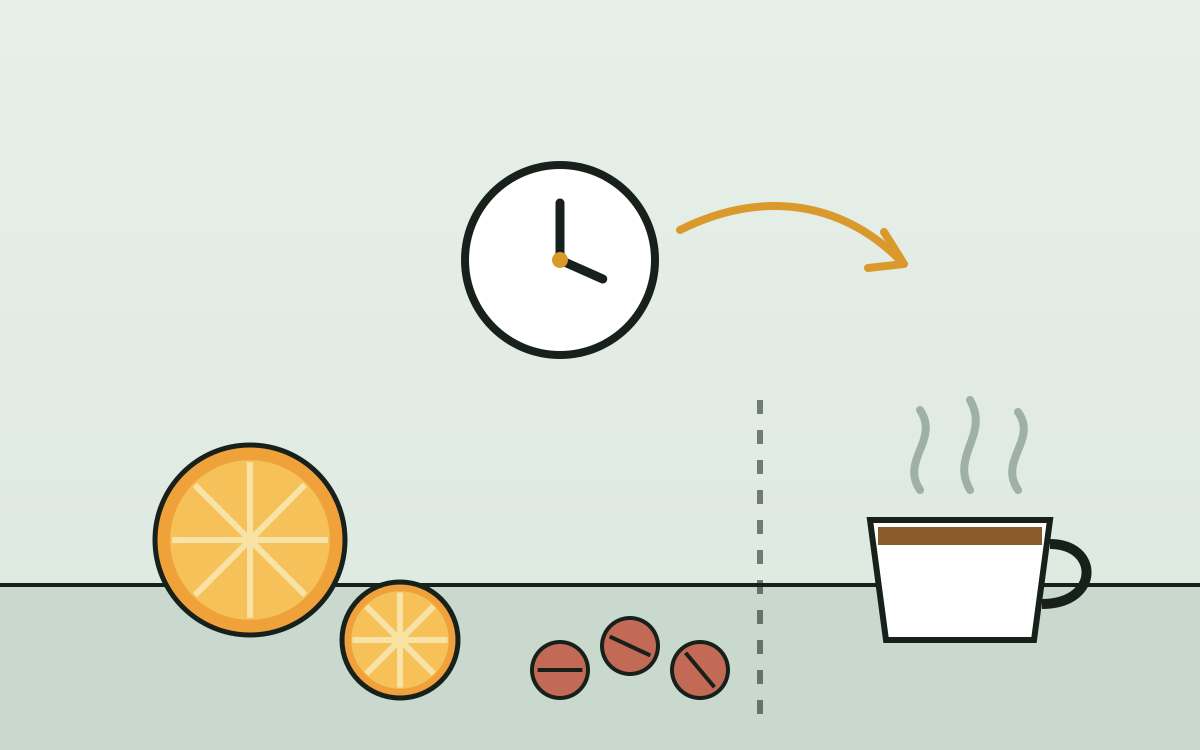
- Your morning tea, coffee, a bowl of cereal with milk and eggs all reduce absorption. Leave at least 2 hours between them and the tablet.
- Calcium may reduce iron absorption too, so take calcium with vitamin D3 at a different time.
- Orange juice is optional: your doctor or pharmacist may suggest it, according to the NHS. The British Society of Gastroenterology (BSG) doesn’t recommend adding vitamin C: in a large trial it didn’t improve treatment results or reduce side effects.
If your GP has confirmed deficiency, a course usually runs like this:
An iron course, from blood test to follow-up
Five steps once your GP has confirmed deficiency. Tap through them in order
Ferritin and a full blood count first
Without a confirmed deficiency, you don't need iron. The test shows if you're low, and by how much.
- for men and for women after the menopause, the BSG recommends checking the stomach and bowel
- with haemochromatosis, avoid iron and vitamin C supplements
Your GP picks the dose and form
Treatment usually starts with one tablet a day, giving 50–100 mg of elemental iron.
- read the "Iron (as ...)" line: that's elemental iron
- for maintenance on medical advice, around 15 mg; with a multivitamin, stay under 17 mg
Empty stomach, away from tea
Best 30 minutes before a meal or 2 hours after. If you feel sick, take it with food.
- leave 2 hours before tea, coffee, dairy, eggs or calcium
- keep at least 4 hours between iron and levothyroxine
If it disagrees with you
Constipation, nausea and stomach pain become more likely from 45 mg a day. Darker poo is harmless in itself.
- taking it with food, switching form or alternate days can help
- agree any change with your GP
Blood tests and how long
Most people feel better within 3–4 weeks, and your GP may arrange a blood test in that time.
- the NHS says 3–6 months after you improve; the BSG says about 3 months after haemoglobin is normal
- store the bottle where children can't reach it
Alternate-day iron dosing
After a dose of iron, your liver releases hepcidin, a hormone that temporarily reduces iron absorption. So a tablet taken the next day is absorbed less well.
In a 2020 study by Stoffel and colleagues, 19 women with iron deficiency anaemia took 100 or 200 mg of iron. Iron taken on alternate days was absorbed better than on consecutive days. The BSG’s 2021 guideline says lower doses taken less often may work as well as daily high doses. If tablets aren’t tolerated, it suggests one tablet every other day.
Your GP decides the schedule. Treatment usually starts with one tablet a day, giving 50–100 mg of elemental iron. Most people feel better within 3–4 weeks, and your GP may arrange a blood test in that time to check it’s working. Treatment lasts several months: the NHS says you’ll usually carry on for 3–6 months after you improve, and the BSG suggests about 3 months after haemoglobin is back to normal, to refill your stores.
Side effects of iron tablets
The NHS lists these side effects:
- constipation or diarrhoea;
- stomach pain and heartburn;
- feeling sick;
- darker poo, which is unabsorbed iron and harmless in itself.
Gut side effects become more likely from 45 mg of iron a day, according to NIH ODS. Taking iron with food, switching form or moving to alternate days can help, but agree any change with your GP.
Why you shouldn’t take iron without a blood test
Haemochromatosis. In this inherited condition the body slowly stores too much iron. NIH ODS estimates that about 1 in 10 white people carry the C282Y mutation of the HFE gene, and about 4 in 1,000 have the condition. People with haemochromatosis should avoid iron and vitamin C supplements.
A missed cause. Iron deficiency is a result, not a diagnosis. For men and for women after the menopause, the BSG recommends investigating the stomach and bowel first: anaemia can be a sign of bleeding.
Danger to children. Accidental iron overdose has long been a leading cause of fatal poisoning in children under 6. To a toddler, a shiny coated tablet looks like a sweet. Keep the bottle in a high cupboard, not on the kitchen worktop.
Safe upper level for iron: EFSA and US
In 2024 EFSA couldn’t set a formal tolerable upper intake level for iron. Instead it set a safe level of intake of 40 mg a day for adults, including during pregnancy and breastfeeding. EFSA derived it from 20–25 mg of supplemental iron on top of about 15 mg from a normal diet.
In the US, the upper limit is 45 mg a day for adults, based on gut side effects. The NHS adds that 17 mg or less a day from supplements is unlikely to cause harm.
Treatment doses for confirmed anaemia sit above these levels. That’s intended, but they’re taken only under medical supervision with repeat blood tests. For children, a doctor sets the dose.
Interactions and who should be careful
- Levothyroxine (for an underactive thyroid): iron reduces its effect. Keep at least 4 hours between them.
- Levodopa (for Parkinson’s disease): iron reduces its absorption.
- Proton pump inhibitors (omeprazole and similar) lower stomach acid and iron absorption.
- Zinc: 25 mg of iron or more can reduce zinc absorption. Take them at different times.
- Pregnancy: you need more iron, but the dose comes from your midwife or GP. See our guide to pregnancy vitamins.
For other nutrient pairs, use the vitamin compatibility chart.
How to choose iron on iHerb
- Get a ferritin test and a full blood count. Without a confirmed deficiency, you don’t need iron.
- Find the “Iron (as …)” line on the label: that’s elemental iron. If only the salt weight is given, use the calculator above.
- For maintenance on medical advice, choose around 15 mg so that, with a multivitamin, you stay under 17 mg. Treatment doses come from your GP.
- Pick the form by tolerability: bisglycinate if sulphate disagrees with you.
- Check whether your multivitamin already contains iron. It often does in supplements for women.
- Store the bottle where children can’t reach it.
For the rest of the Supplement Facts panel, see our guide on how to read a supplement label.
Bottom line: what to choose
Deficiency confirmed by your GP
Ferrous sulphate or fumarate
Dose and duration as prescribed, usually once a day or every other day
Ferrous fumarate on iHerbSulphate makes you sick or constipated
Ferrous bisglycinate
Agree the switch with your GP or pharmacist
Bisglycinate on iHerbLow stores, maintenance on medical advice
Low-dose iron, around 15 mg
Keep the total under 17 mg, including your multivitamin
15 mg iron on iHerbButtons lead to selections of the right form on iHerb. These are affiliate links; your price doesn't change.
FAQ
What is the best iron supplement in the UK?
There’s no single best one. The NHS says ferrous sulphate, fumarate and gluconate work about equally well at the same dose of iron. Ferrous bisglycinate is a common alternative if the usual salts upset your stomach. Compare elemental iron per tablet and how you feel on it.
Should I take iron tablets before or after food?
Ideally on an empty stomach: 30 minutes before a meal or 2 hours after. If that makes you feel sick, take them with food; you’ll absorb a bit less but you’ll keep going. Leave 2 hours between iron and tea, coffee, dairy or eggs.
Is it better to take iron every other day?
It can be, if your doctor agrees. The British Society of Gastroenterology suggests alternate-day dosing when daily tablets aren’t tolerated. In a small study of women with anaemia, iron taken on alternate days was absorbed better than on consecutive days.
Is ferrous bisglycinate better than ferrous sulphate?
Bisglycinate is iron bound to the amino acid glycine and contains about 20% iron, like ferrous sulphate heptahydrate. JECFA reports better absorption than ferrous sulphate from food. Many people find it easier to tolerate, but large head-to-head trials are scarce.
Can I take iron supplements without a blood test?
It’s not a good idea. Too much iron is harmful, and in haemochromatosis (an inherited iron build-up) supplements are dangerous. Iron deficiency also has a cause that your GP needs to find. Get a ferritin test and full blood count first.
Why do iron tablets make your poo dark?
It’s unabsorbed iron passing through the gut, and it isn’t harmful on its own. But black, tarry stools when you’re not taking iron need urgent medical advice.
Sources
- NHS. Vitamins and minerals – Iron
- NHS. Iron deficiency anaemia
- EFSA. Scientific opinion on the tolerable upper intake level for iron (2024)
- Snook J et al. British Society of Gastroenterology guidelines for the management of iron deficiency anaemia in adults. Gut, 2021
- Stoffel NU et al. Iron absorption from supplements is greater with alternate day than with consecutive day dosing in iron-deficient anemic women. Haematologica, 2020
- NIH ODS. Iron – Fact Sheet for Health Professionals
- JECFA (WHO Food Additives Series 52). Ferrous glycinate (processed with citric acid), 2004
Iron at a glance
For adults, based on the NHS, EFSA and NIH ODS
- Daily need (UK)
- 8.7 mg for men, 14.8 mg for women aged 19–49
- Women 50+
- 8.7 mg a day
- Safe level
- 40 mg (EFSA, 2024) / 45 mg (US)
- Without advice
- 17 mg or less from supplements (NHS)
- How to take
- on an empty stomach; away from tea, coffee, dairy
- Avoid together
- levothyroxine, levodopa, calcium at the same time
Treatment doses (usually 50–100 mg of elemental iron) are set by a doctor after a ferritin test.
Shop iron on iHerbGet a ferritin test first, then choose the form and dose
Contents
- Who needs iron tablets
- Best iron supplement: forms and elemental iron
- How to take iron tablets: timing, food and alternate days
- Side effects of iron tablets
- Why you shouldn’t take iron without a blood test
- Safe upper level for iron: EFSA and US
- Interactions and who should be careful
- How to choose iron on iHerb