Vitamin C tablets: how much vitamin C per day, colds and which form to choose
This article contains affiliate links to iHerb. If you buy through them, we earn a commission at no extra cost to you. It doesn't affect which forms we recommend. Learn more
Vitamin C is the best-known "immune" supplement, yet most adults get enough from food. It won't stop you catching colds, although taking it regularly shortens them slightly. Below: how much you need, which vitamin C supplement makes sense and who should avoid high doses.
What vitamin C does
Vitamin C (ascorbic acid) is needed to make collagen, the protein in skin, blood vessels, cartilage and gums. It helps wounds heal and supports immune cells. It also helps you absorb non-haem iron from plant foods and supplements.
Your body can’t make vitamin C and stores very little, so you need some every day. Severe deficiency (scurvy) is rare today. It turns up in people who eat almost no fruit or vegetables, with alcohol dependence or serious bowel conditions.
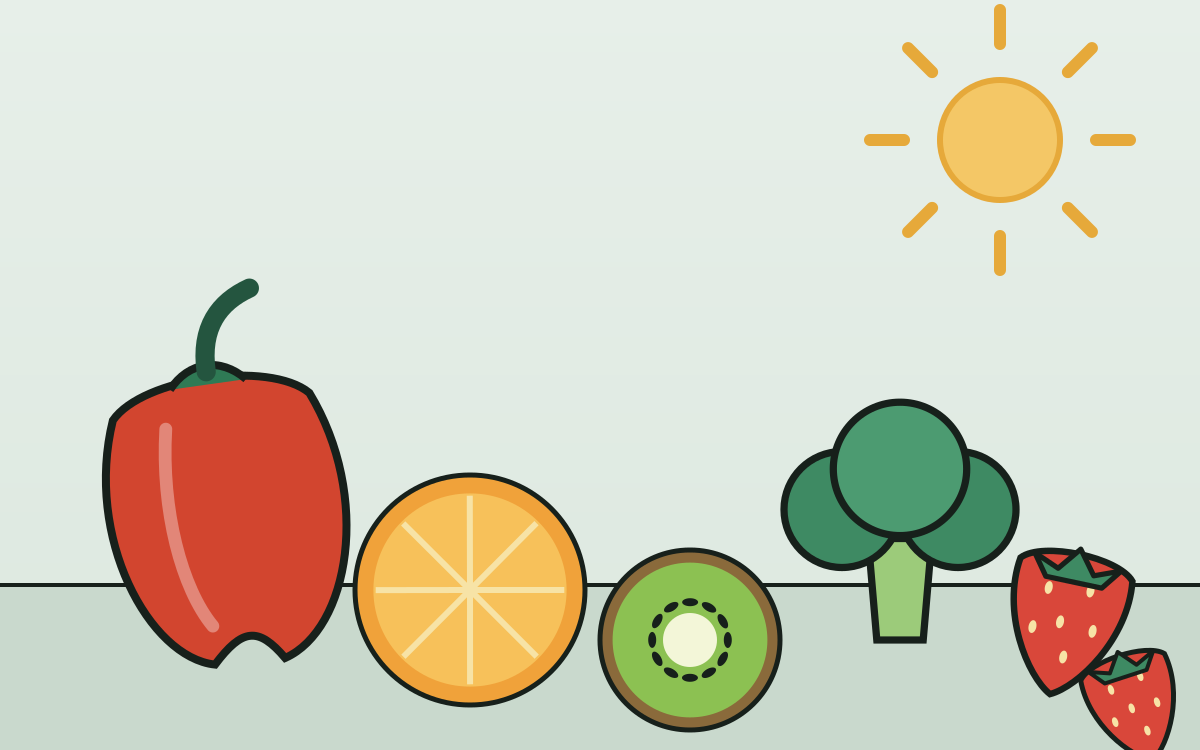
Red and green peppers, citrus fruit, kiwi fruit, broccoli, Brussels sprouts, strawberries, blackcurrants and potatoes are good sources. Long boiling destroys some of it, so eat some vegetables raw or steam them.
How much vitamin C per day
Reference intakes differ a lot between countries. It isn’t an error: each body sets the blood level it considers adequate in its own way.
| Who | NHS (UK) | EFSA (EU) | NIH (US) |
|---|---|---|---|
| Women | 40 mg | 95 mg | 75 mg |
| Men | 40 mg | 110 mg | 90 mg |
| Pregnancy | – | +10 mg | 85 mg |
| Breastfeeding | – | +60 mg | 120 mg |
| Smokers | – | – | +35 mg |
In practice that’s not much. An orange gives about 70 mg, and half a cup of chopped red pepper about 95 mg. If you eat fruit and vegetables every day, you’re covered without tablets.
A vitamin C supplement makes sense if you eat few fruit and vegetables, smoke or follow a very restrictive diet. A sensible dose is 100–250 mg a day. Germany’s Federal Institute for Risk Assessment (BfR) proposes a maximum of 250 mg per daily supplement dose.
How much vitamin C is too much
- In the UK, the NHS says more than 1,000 mg a day may cause stomach pain, diarrhoea and flatulence. Less than 1,000 mg a day from supplements is unlikely to cause harm.
- In the EU, EFSA couldn’t set an upper limit because data were lacking. It judged that 1,000 mg a day on top of a normal diet isn’t linked to gut side effects, while more may be.
- In the US, the upper limit is 2,000 mg a day from food and supplements combined, based on diarrhoea, nausea and cramps.
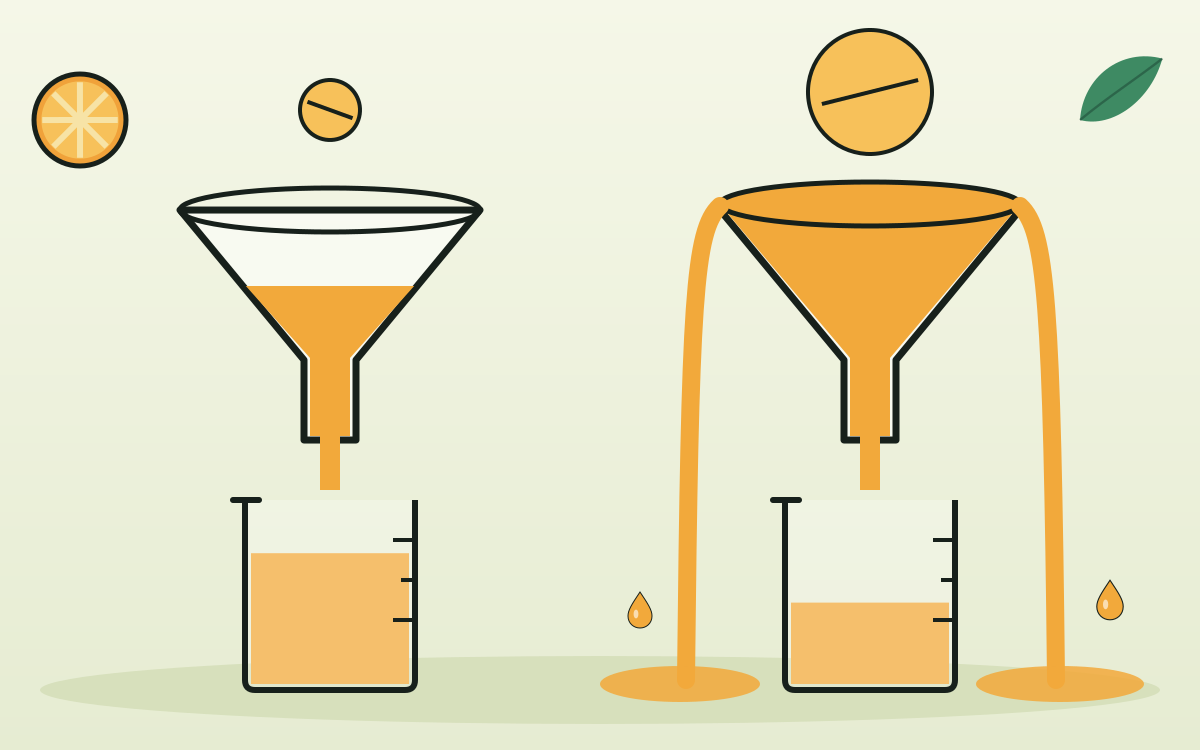
High doses are also poorly absorbed. At 30–180 mg a day, 70–90% is absorbed. Above 1 g, less than half is, and the rest leaves in your urine. Roughly speaking, you pay for half of a 1,000 mg tablet and flush it away.
Vitamin C and colds: what Cochrane found
A 2013 Cochrane review is the most thorough answer.
- Regular vitamin C doesn’t prevent colds. Across 29 comparisons with 11,306 people, the risk of catching a cold barely changed.
- The exception is heavy physical stress. In marathon runners, skiers and soldiers training in subarctic conditions, the risk roughly halved.
- Colds get slightly shorter. By about 8% in adults and 14% in children, but only in people already taking it every day.
- Starting at the first symptoms doesn’t help. Trials that gave vitamin C after a cold began found no consistent effect.
So a 2–3 g “mega-dose” once you’re ill is unlikely to help and may upset your stomach. Zinc lozenges started within 24 hours are a better-studied option, though results there are mixed too. For the rest of the cold season, see our guide to vitamins by season.
To see whether vitamin C tablets make sense for you, pick your situation:
Do you need vitamin C tablets
Pick your situation to see what the NHS, NIH ODS and the Cochrane review say
Your situation
What fits
You probably don't need tablets
An orange gives about 70 mg and half a cup of red pepper about 95 mg. That's already more than the NHS 40 mg.
What fits
A small daily dose
Smokers need 35 mg more than non-smokers. Above 1 g, absorption drops, so there's no need for big tablets.
Dose: 100–250 mg a day
What fits
Regular use may help
In marathon runners, skiers and soldiers training in subarctic conditions, regular vitamin C roughly halved the risk of colds.
Dose: 250–500 mg a day, started before the effort
What fits
Too late to start
Trials that gave vitamin C after a cold began found no consistent effect. A 2–3 g "mega-dose" may upset your stomach.
What fits
No high doses
In a Swedish study, men taking 1,000 mg vitamin C tablets developed stones twice as often. Stick to food and ask your GP before any supplement.
More than 1,000 mg a day may cause stomach pain and diarrhoea (NHS).
What fits
Avoid high doses
Vitamin C boosts iron absorption, so with inherited iron overload high doses can make it worse.
Which vitamin C supplement to choose: forms compared
| Form | What it is | What we know |
|---|---|---|
| Ascorbic acid | Standard vitamin C | Absorbed as well as from food; cheapest |
| Buffered | Calcium, sodium or magnesium ascorbate | Less acidic; may suit people with heartburn |
| Ester-C | Calcium ascorbate with metabolites | Blood levels the same as ascorbic acid |
| With bioflavonoids | Ascorbic acid plus citrus extracts | No difference in absorption found |
| Liposomal | Vitamin C in lipid bubbles | Higher blood levels; no proven health benefit |
| Effervescent | Ascorbic acid with bicarbonate | Convenient, but can be high in sodium |
Ascorbic acid is the sensible default. NIH ODS describes a study that found no difference between it, Ester-C and ascorbic acid with bioflavonoids. The authors recommended plain ascorbic acid because it costs less.
Buffered vitamin C means salts of ascorbic acid. They’re less acidic, so people with heartburn or a sensitive stomach often prefer them. Remember that calcium or sodium ascorbate adds those minerals to your intake.
Liposomal vitamin C costs considerably more. In 2025 the UK Committee on Toxicity reviewed six small studies: blood levels were 1.4 to 7 times higher than with standard vitamin C. But no study has shown that this improves health. If you just want to cover your needs, there’s no reason to pay extra.
Vitamin C and kidney stones
Some vitamin C is converted to oxalate, and calcium oxalate is the most common type of kidney stone. A Swedish study followed 23,355 men for 11 years. Men taking single vitamin C tablets (usually 1,000 mg) developed stones twice as often. The risk rose the more often they took them. Multivitamins with smaller amounts weren’t linked to stones.
NIH ODS notes that studies conflict, and the risk is clearest in people who already pass a lot of oxalate in their urine. If you’ve had kidney stones, avoid high-dose vitamin C.
Who should avoid high doses, and interactions
- Past kidney stones or kidney disease. Stick to intake from food and discuss any supplement with your GP.
- Haemochromatosis (inherited iron overload). Vitamin C boosts iron absorption, so high doses can worsen overload.
- Chemotherapy and radiotherapy. Whether antioxidants affect treatment is debated. Check with your oncology team before taking supplements, especially at high doses.
- Statins with niacin. Vitamin C combined with other antioxidants may blunt the rise in “good” HDL cholesterol from this combination.
- In pregnancy, needs are slightly higher, but food or a pregnancy vitamin covers them. Mega-doses aren’t needed.
Vitamin C pairs well with iron supplements because it improves absorption of non-haem iron. You can check other combinations in our vitamin compatibility chart.
How to choose vitamin C on iHerb
- Look at your diet first. If you eat fruit and vegetables daily, you probably don’t need tablets.
- Choose 100–250 mg. A 1,000 mg tablet mostly gives you extra vitamin C that ends up in your urine.
- Pick ascorbic acid. Go buffered if acidic tablets give you heartburn.
- Don’t pay extra for liposomal or “ester” forms without a specific reason.
- Check whether your multivitamin or “immune” blend already contains vitamin C, so you don’t double up.
For other immune supplements, see our immunity section; for reading labels, our Supplement Facts guide.
Bottom line: what to choose
Few fruit and vegetables
Ascorbic acid 250 mg
Simple, cheap and well studied
Vitamin C 250 mg on iHerbAcidic tablets give you heartburn
Buffered vitamin C
Calcium or sodium ascorbate
Buffered C on iHerbHeavy training or cold exposure
Vitamin C 250–500 mg regularly
Start before the effort, not at the first sniffle
Vitamin C 500 mg on iHerbButtons lead to selections of the right form on iHerb. These are affiliate links; your price doesn't change.
FAQ
How much vitamin C per day do adults need?
The NHS says adults aged 19 to 64 need 40 mg a day. EFSA’s reference intakes are higher: 95 mg for women and 110 mg for men. Smokers need more. One orange and a portion of red pepper give over 150 mg, so with a normal diet you may not need a supplement at all.
Is 1,000 mg of vitamin C a day too much?
For a healthy adult it’s not dangerous, but it’s more than you need. The NHS warns that more than 1,000 mg a day may cause stomach pain, diarrhoea and wind. Above 1 g, less than half is absorbed. Men with a history of kidney stones should avoid doses this high.
Does vitamin C help with colds?
It won’t stop you catching one: in the Cochrane review, regular vitamin C didn’t reduce the risk of colds in the general population. Taken every day, it shortened colds by about 8% in adults and 14% in children. Starting it once symptoms begin made no consistent difference.
What is the best form of vitamin C?
Plain ascorbic acid is absorbed as well as vitamin C from food. Comparisons with Ester-C and forms with bioflavonoids found no difference in blood levels. Liposomal vitamin C raises blood levels further, but there’s no evidence that this improves health.
Can I take vitamin C with iron tablets?
Yes. Vitamin C improves absorption of non-haem iron from plant foods and supplements. People with haemochromatosis (inherited iron overload) should avoid high-dose vitamin C.
Sources
- NHS. Vitamin C
- NIH ODS. Vitamin C – Fact Sheet for Health Professionals
- Hemilä H, Chalker E. Vitamin C for preventing and treating the common cold. Cochrane Database Syst Rev, 2013
- Karolinska Institutet. Vitamin C supplements linked to kidney stones (Thomas LD et al., JAMA Intern Med, 2013)
- BfR. Proposed maximum levels for the addition of vitamin C to foods including food supplements (2021), citing EFSA's assessment
- UK Committee on Toxicity. Case study 1: Liposomal vitamin C (2025)
- NutraIngredients. EFSA sets population reference intakes for vitamin C (2013)
Vitamin C at a glance
For adults, based on NHS, EFSA and NIH ODS
- Daily need
- 40 mg (NHS); 95–110 mg (EFSA)
- Upper limit
- 2,000 mg (US); EFSA set none
- If you need a supplement
- 100–250 mg a day
- Smokers
- 35 mg more than non-smokers (NIH)
- Colds
- regular use shortens them by about 8%
- Caution
- kidney stones, haemochromatosis, chemotherapy
One orange plus a portion of red pepper already gives over 150 mg.
Shop vitamin C on iHerbAbove 1 g a day absorption drops and side effects become more likely