Brain supplements and supplements for memory: what's studied and what isn't
No supplement has been shown to improve memory in healthy people. But low B12, poor sleep and too little fish can affect focus. This page covers what's been studied, what hasn't, and what to check before you buy.
Ginkgo biloba: memory and risks
Ginkgo biloba benefits vs evidence: large trials found no protection from dementia. Ginkgo for memory and tinnitus, dose, side effects, bleeding risk and seizures.
9 min readLion's mane mushroom
Lion's mane benefits for memory and mood, what small trials found, side effects and allergy, and how to choose a supplement: fruiting body or mycelium on grain.
10 min readLecithin: benefits and choice
Lecithin benefits checked: choline and EFSA's 400 mg intake, sunflower vs soya lecithin, phosphatidylserine for memory, blocked milk ducts when breastfeeding.
9 min readNMN and NAD+: hype vs evidence
NMN and NAD+ supplements explained: what human trials show, NMN vs NR, safety, and legal status in the UK, EU and US. Why the anti-ageing claims outrun the evidence.
9 min read
How this section works
No “brain upgrade” promises here. For each supplement we say what human studies showed, at what dose and who it doesn’t suit, and when the evidence is thin, we tell you. Links to iHerb open a selection of the right form, so you can compare brands yourself.
Find your option: brain and memory
Pick what bothers you to see where to start and what not to expect
What bothers you?
Where to start
Sleep first, then sensible caffeine
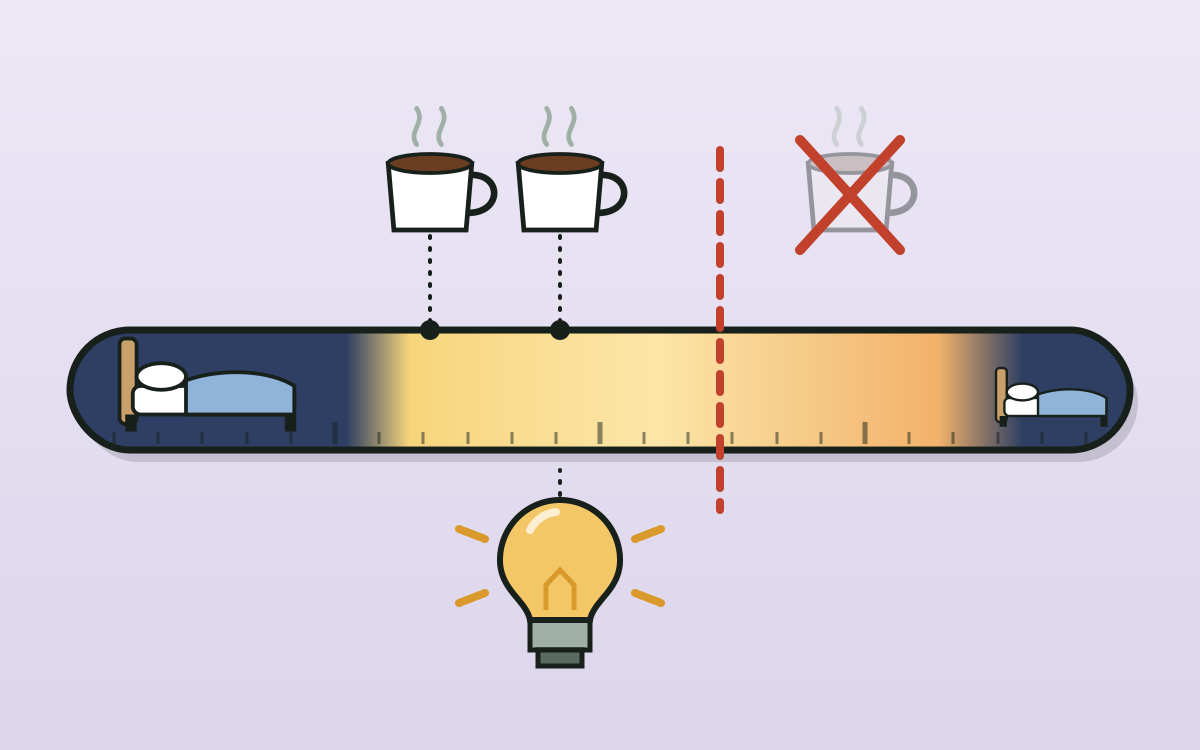
Ordinary caffeine is the best-studied focus aid. EFSA says single doses up to 200 mg and up to 400 mg a day are safe for healthy adults. L-theanine is often paired with caffeine, but the studies are small.
Rule of thumb: a 200 ml mug of filter coffee has about 90 mg of caffeine
EFSA advises no more than 200 mg of caffeine a day from all sources in pregnancy.
Where to start
See your GP first
For memory problems, GPs usually check B12 and folate, thyroid function, blood sugar, and liver and kidney function. Common causes can be treated, and not with supplements.
Don't put off seeing your GP while you try supplements.
Where to start
Fish, or an omega-3 supplement
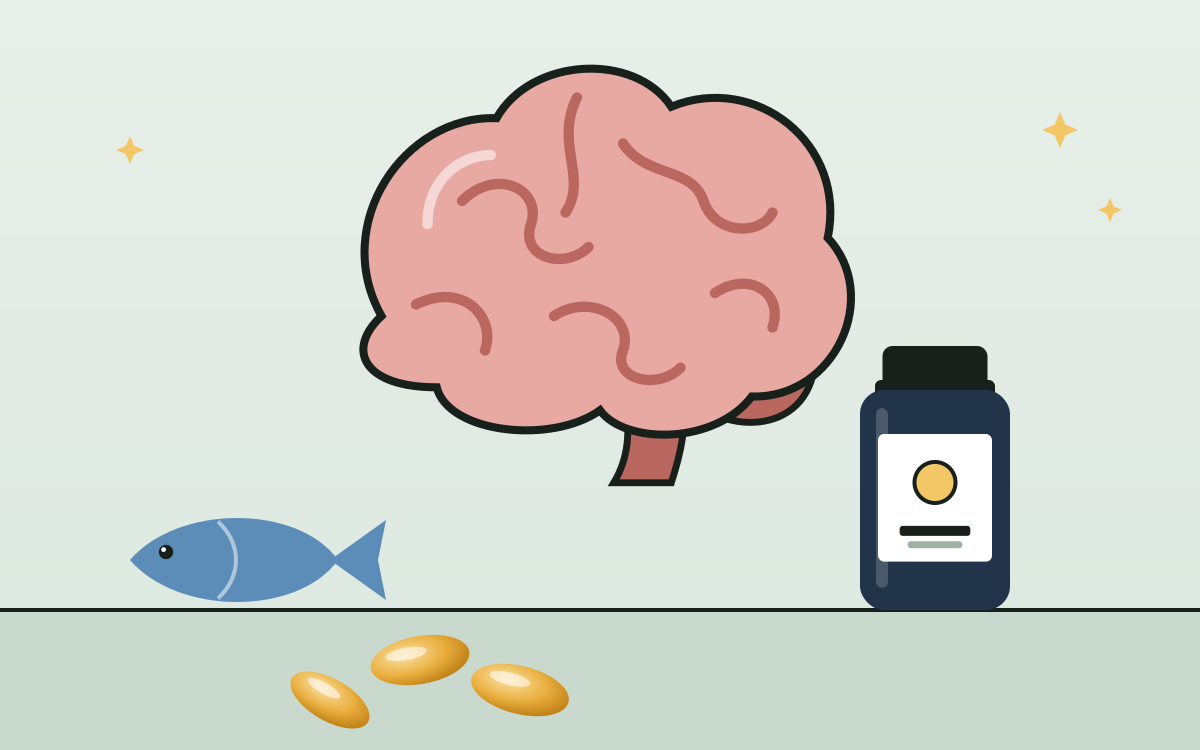
The most consistent findings on memory in older people come from eating fish. Omega-3 capsules didn't help in Alzheimer's disease, but they do fill an EPA and DHA gap.
Rule of thumb: 2 portions of fish a week, 1 of them oily (NHS)
Where to start
Get your B12 checked
Low B12 can cause memory problems, tiredness and pins and needles. The risk is higher in vegans, people over 50 and anyone on metformin or acid-reducing tablets. Vegans need a supplement; for everyone else, test first.
Where to start
Ginkgo: no proven benefit, real risks
In the GEM study, more than 3,000 people aged 75 and over took ginkgo for about 6 years. Dementia was just as common as with a placebo.
Ginkgo may raise bleeding risk with warfarin and other blood thinners. Avoid it in pregnancy.
Where to start
Little human research
Lion's mane, NMN and lecithin have mostly small or lab studies so far. If you try one, pick a product with a clear dose of a single ingredient and judge the effect honestly.
Brain supplements: what really affects memory
Focus and memory usually suffer for reasons that can be fixed:
- poor sleep and long-term stress;
- low B12 or folate, which can also cause tiredness and pins and needles;
- thyroid problems, diabetes, or liver and kidney problems;
- depression and side effects of medicines.
Your GP finds these with blood tests and an examination, not with trial and error at the supplement shelf. Our tests and deficiencies section explains what to ask about. Vegans need vitamin B12 from a supplement or fortified foods. People over 50 and anyone on metformin or acid-reducing tablets should ask about a B12 test.
According to an NCCIH review, no supplement has yet been shown to prevent dementia. Short courses of B vitamins didn’t improve thinking in older adults, though longer use may slightly slow decline. For vitamin E and curcumin, the evidence is too thin to draw conclusions.
Supplements for memory: topics in this section
| Topic | What’s known | Guide |
|---|---|---|
| Omega-3 | the best data are for eating fish; capsules didn’t help in Alzheimer’s | how to choose fish oil |
| Vitamin B12 | matters if you’re low; otherwise no need | vitamin B12 |
| Ginkgo biloba | didn’t lower dementia risk; raises bleeding risk with blood thinners | ginkgo biloba side effects |
| Lion’s mane | little research in people | lion’s mane |
| NAD and NMN | little research in people | NMN supplements |
| Lecithin and phosphatidylserine | little evidence | lecithin |
| L-theanine and caffeine | caffeine is better studied; L-theanine has small trials | L-theanine and caffeine |
| Creatine | well studied for strength; little data on memory | creatine |
Not sure you need any of these? Take our vitamin check: it shows what official advice says for your diet and lifestyle.
Nootropics in the UK: what to check
- Blends without doses. If the label lists a “proprietary blend” with no amount for each ingredient, you don’t know what you’re taking.
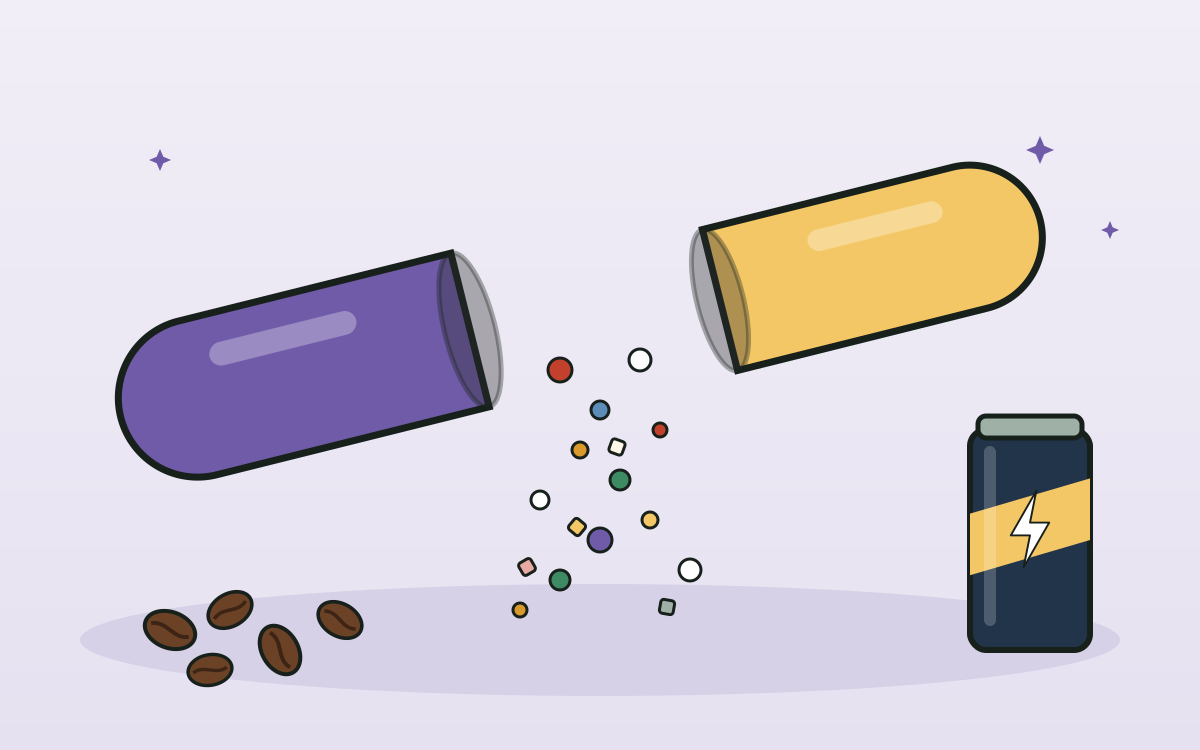
- Hidden caffeine. Add up all your caffeine: coffee, tea, energy drinks and capsules. EFSA says up to 400 mg a day, and up to 200 mg at a time, is safe for healthy adults.
- Vitamin B6 in brain formulas. Too much can damage nerves. Check the dose with our B6 checker.
- Prescription “smart drugs”. Some products sold for focus are medicines. Don’t buy them without a prescription.
Who should take care
- In pregnancy, ginkgo may be unsafe, and EFSA advises no more than 200 mg of caffeine a day.
- On blood thinners, take ginkgo or high-dose omega-3 only if your GP or anticoagulation clinic agrees.
- If you take regular medicines, ask your pharmacist about herbal brain products and check our vitamin compatibility chart.
- If your memory is getting worse quickly, see your GP rather than starting a supplement.
Before you buy, run through this short list:
Before you buy a "memory" supplement
Tick what's true for you. Ticks are saved in this browser only
0 / 7 ticked
All ticked. Choose one ingredient with a clear dose and judge it honestly after a few weeks.
Omega-3 on iHerbHow to choose on iHerb
- Rule out low B12 and sleep problems first.
- Choose one ingredient with a clear dose rather than a ten-ingredient blend.
- Add up caffeine and vitamin B6 from every source.
- Judge the effect honestly: after a few weeks, without starting anything else new.
Bottom line: what to choose
Little fish in your diet
Omega-3: 250–500 mg EPA+DHA
If you eat oily fish less than once a week
Omega-3 on iHerbButtons lead to selections of the right form on iHerb. These are affiliate links; your price doesn't change.
FAQ
Which vitamins actually help the brain and memory?
The ones you’re short of. Low B12 and folate can cause memory problems, and a blood test shows whether you have them. In older adults, short courses of B vitamins didn’t improve thinking skills. If you eat little fish, omega-3 makes sense.
Do nootropics work? Are they legal in the UK?
There’s no convincing evidence that supplements improve memory or prevent dementia. That’s NCCIH’s conclusion for ginkgo, omega-3, B vitamins, vitamin E and curcumin. Some products sold online as nootropics or ‘smart drugs’ are prescription medicines, not supplements, so don’t buy them without a prescription.
Does ginkgo biloba help memory?
In the large GEM study, over 3,000 people aged 75 and over took ginkgo for about 6 years. Dementia was just as common as with a placebo. Ginkgo can also raise bleeding risk with blood thinners.
Is omega-3 good for the brain?
The most consistent findings come from eating fish, not from capsules. Omega-3 supplements didn’t help people with Alzheimer’s disease. Capsules make sense if you rarely eat oily fish.
When should I see my GP about memory?
If your memory or concentration has clearly got worse, especially over a few months. Your GP will usually check B12 and folate, thyroid function, blood sugar, and liver and kidney function. Don’t delay while you try supplements.
Sources
- NCCIH. 7 Things To Know About Dietary Supplements for Cognitive Function, Dementia, and Alzheimer's Disease
- NCCIH. Dietary Supplements and Cognitive Function, Dementia, and Alzheimer's Disease: What the Science Says
- NCCIH. Ginkgo: Usefulness and Safety
- NHS. Tests for diagnosing dementia
- NHS. Vitamin B12 or folate deficiency anaemia – Symptoms
- EFSA. Caffeine
What to choose
Goal and the best-supported option
- Hard to concentrate
- sleep; caffeine up to 200 mg at a time
- Little fish in your diet
- fish twice a week, or omega-3
- Vegan, 50+, metformin
- B12: a supplement if vegan, a test for the rest
- Memory getting worse
- see your GP: B12, folate, thyroid
- Ginkgo, lion's mane, NMN
- little evidence of benefit