What vitamins should I take? A 2-minute check based on NHS advice
This article contains affiliate links to iHerb. If you buy through them, we earn a commission at no extra cost to you. It doesn't affect which forms we recommend. Learn more
There's no one-size-fits-all vitamin list: a vegan, a 60-year-old man and a woman trying for a baby need different things. Answer a few questions and get a short list based on official advice, with no extra bottles.
How the vitamin quiz works
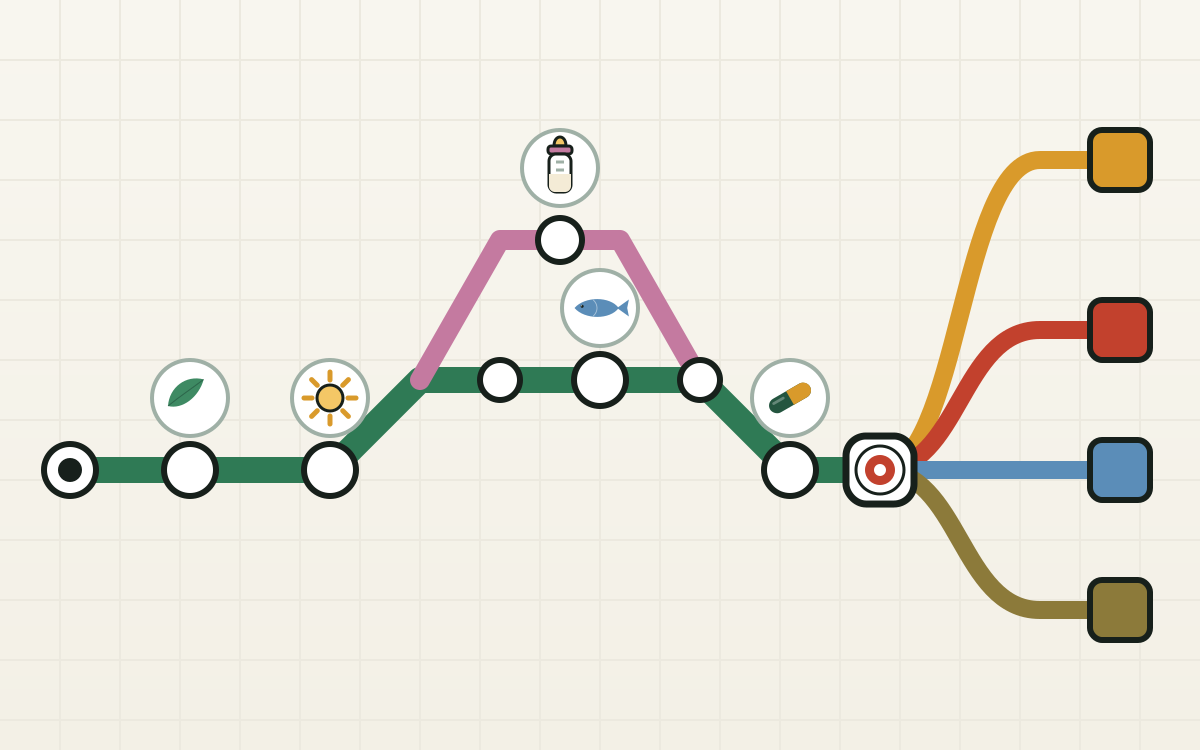
The check asks up to 9 questions: sex, age, pregnancy, diet, fish, sunlight, symptoms, medicines and goals. Some questions only appear when they matter. For example, we ask about pregnancy only if you’re a woman aged 18–50, and about fish only if you’re not vegan.
Each answer is checked against a set of rules taken from official public-health advice, not from supplement marketing. At the end you get a list in four parts, with links to our full guides.
Which vitamins do I need? A 2-minute check
Up to 9 quick questions about your diet, sunlight and goals. You'll get a list of what to discuss with your GP or pharmacist, what to test first and what to read
- Your sex
- Your age
- Pregnancy
- How do you eat?
- How often do you eat fish?
- Which fits you best?
- Does any of this apply to you?
- Do you take any regular medicines?
- What matters most to you right now?
This check is for adults. For children, see our separate guide. →
Your list
This isn't a prescription. It's a guide based on NHS and other official advice. If you have a health condition or take medicines, check with your GP or pharmacist before starting a supplement.
Which official advice the rules follow
- NHS: vitamin D, vegan diets, fish in your diet and iron.
- NICE NG247 (the 2025 guideline on nutrition in pregnancy): folic acid and vitamin D before and during pregnancy.
- NIH ODS (the US Office of Dietary Supplements): who runs low on B12, which medicines reduce its absorption, and who might need a multivitamin.
We lead with the NHS and NICE because they’re the advice your GP and pharmacist follow. Where UK guidance is silent, we use the NIH ODS fact sheets, which give clear figures and are updated regularly. To see when the sun is strong enough where you live, try our vitamin D sunlight calendar.
Which vitamins do I need? Official advice in one table
| Who | What | How much | Source |
|---|---|---|---|
| All adults in autumn and winter | vitamin D | 10 micrograms (400 IU) a day | NHS |
| Rarely outdoors, skin covered, or dark skin | vitamin D all year | 10 micrograms (400 IU) a day | NHS |
| Trying for a baby, and up to week 12 | folic acid | 400 micrograms; 5 mg on prescription if at higher risk | NICE NG247 |
| Pregnant or breastfeeding | vitamin D on the same schedule; in pregnancy, no retinol or cod liver oil | 10 micrograms (400 IU) a day | NHS, NICE NG247 |
| Vegans | B12; vitamin D from a vegan source; iodine and calcium from fortified foods or supplements | per label | NHS, NIH ODS |
| Over 50, a gut condition, metformin or acid-reducing tablets | B12: get it checked | after a test | NIH ODS |
| Heavy periods, constant tiredness, a gut condition, or a meat-free diet before 50 | iron only after a blood test | as your GP advises | NHS, NIH ODS |
| Little fish in your diet | 2 portions of fish a week, or omega-3; in pregnancy, no more than 2 portions of oily fish | – | NHS |
NICE recommends the higher 5 mg folic acid dose for people with diabetes, sickle cell disease, thalassaemia or a personal or family history of neural tube defects. It also applies if you take medicines that affect folate, such as some epilepsy and HIV medicines. A BMI of 25 or more isn’t, on its own, a reason for the higher dose.
How to read your result
Your result comes in four groups:
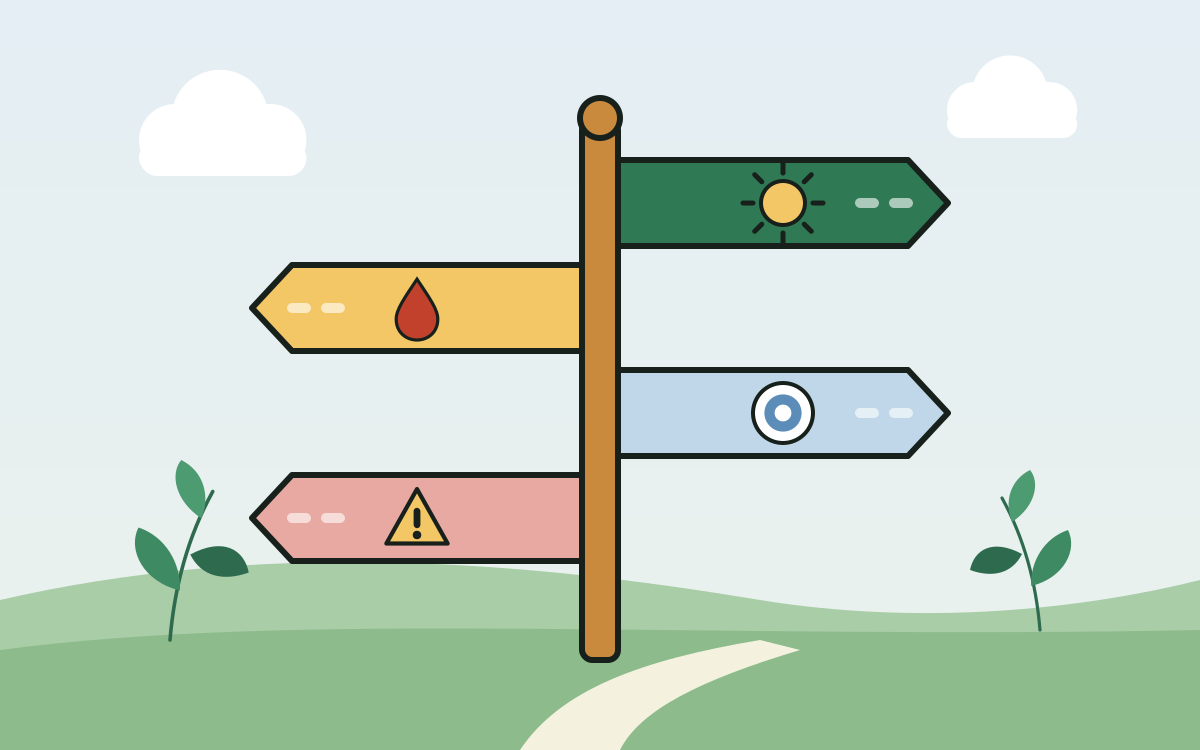
- “The basics”: what official advice says for people in your situation, such as vitamin D3 in winter or B12 for vegans.
- “Test first, then supplement”: things you shouldn’t take blind. Iron is the usual one, so ask about ferritin and a full blood count first.
- “For your goals”: what’s been studied for sleep, energy, skin and other goals, and what supplements won’t do.
- “Worth knowing”: warnings about medicines, pregnancy, gut conditions and iron. Don’t skip this part.
A short list is good news: your diet is probably doing the work. No need to pad it out to ten bottles.
Why it doesn’t suggest doses beyond public-health advice
The quiz suggests maintenance doses for healthy adults. Treatment doses are for your GP to set after a test, and for good reason:
- The NHS warns that more than 100 micrograms (4,000 IU) of vitamin D a day could be harmful.
- Iron above 20 mg can cause constipation, nausea and stomach pain, and an overdose can be fatal for children.
- Retinol (vitamin A) in pregnancy can harm your baby.
- Low B12 caused by a gut condition is sometimes treated with injections, not tablets.
So where a test matters, you’ll see “get a blood test” rather than “take 5,000 IU”.
When to see your GP instead
- Tiredness or weakness lasting more than a few weeks.
- Pins and needles or memory problems, which can be signs of low B12.
- Heavy periods or signs of anaemia, such as breathlessness or pale skin.
- Pregnancy, or kidney, liver or gut disease.
- Trying for a baby while taking regular medicines or living with diabetes: you may need 5 mg of folic acid, and some medicines are best switched before you conceive.
- Regular medicines, especially warfarin, levothyroxine or metformin. Check our vitamin compatibility chart.
- Choosing for a child.
How to choose on iHerb after the quiz
- Start with “The basics” and open the guide for each item.
- Choose the dose official advice recommends, not the biggest one on the shelf.
- Add up the doses across all your bottles, including any multivitamin, and compare them with our supplements A–Z.
- Leave anything in “Test first” until you have results.
- Compare products by cost per day.
Before you order, run through the short list below. It takes a minute and catches the usual slip-ups: a double dose from two bottles, or iron taken “just in case”.
Before your first bottle
Six questions to ask yourself before you order. Tick as you go
0 / 6 done
All checked. Now compare products by cost per day.
Prefer to browse by ingredient instead? Open our supplements catalogue.
FAQ
What vitamins should I take every day?
Only what you’re consistently short of. For most UK adults that means considering 10 micrograms of vitamin D a day in autumn and winter. Vegans need B12, and anyone trying for a baby needs 400 micrograms of folic acid until week 12. Don’t take iron or high-dose vitamins A or D just in case: too much is harmful.
Which vitamins do I need if I eat a healthy diet?
Probably just vitamin D from October to March, which the NHS advises everyone to consider. A varied diet covers most other needs. If you have heavy periods, follow a vegan diet or take metformin, your list grows, and the quiz will show you how.
Is there a test that shows which vitamins I'm lacking?
Only a blood test can show that: ferritin and a full blood count for iron, B12, and 25(OH)D for vitamin D. This quiz estimates your risk from diet and lifestyle and tells you which tests to discuss with your GP. See tests and deficiencies.
Can I use the vitamin quiz if I'm pregnant?
Yes. If you’re pregnant, breastfeeding or trying for a baby, it covers folic acid, vitamin D, avoiding retinol, fish limits and iron checks. Check anything else, including herbal products, with your midwife or GP. Our guide to pregnancy vitamins has more.
Why doesn't the quiz suggest a multivitamin?
Because official advice doesn’t call for one. According to NIH ODS, multivitamins have little effect on disease risk in healthy people. They make sense if your diet is limited or very low in calories. If you take one anyway, check its iron, vitamin A and zinc.
Is the supplement quiz suitable for children?
No, it’s for adults. Children’s doses depend on age and weight, so follow the label and your GP or health visitor. See vitamins for kids for the NHS advice.
Sources
The check at a glance
What it looks at and what it doesn't do
- Questions
- up to 9, about 2 minutes
- Who it's for
- adults aged 18 and over
- Based on
- NHS, NICE NG247, NIH ODS
- What it asks
- sex, age, pregnancy, diet, sunlight, medicines, goals
- What you get
- basics, tests, goals and warnings
- What it won't do
- diagnose or suggest treatment doses
Your answers aren't saved or sent anywhere: the result is worked out in your browser.