Vitamins for elderly parents: helping with medication without doubling up
 Reviewed by
This article contains affiliate links to iHerb. If you buy through them, we earn a commission at no extra cost to you. It doesn't affect which forms we recommend. Learn more
Ordering your mum a bottle of vitamins takes a minute. Knowing how it fits with her blood pressure tablets and whatever is already in the kitchen cupboard takes longer. This guide covers how to raise it, put every medicine on one sheet, set out the week's doses and pick a gift that gets used.
Vitamins for elderly parents: start before you buy
A call from Bristol to Leeds: “Mum, I’ve ordered you some vitamins.” Meanwhile her kitchen already holds vitamin D drops from a neighbour, a multivitamin from the chemist and her blood pressure tablets. The new bottle joins the pile, and nobody checks what’s in it.
So start with what your parents already take. Vitamins for older people usually come down to a short list, set out in our guide to vitamins for over 50s, 60s and 70s. First, though, find out which of those are already in the house.
Talking to your parents about medicines
Nobody enjoys being told how to live. A different approach tends to work better:
- start with what worries them: forgetting tablets, dizziness, trouble swallowing;
- talk about a specific problem rather than about age;
- offer help, not a verdict: “Shall we put everything on one sheet so the GP can see it at a glance?”;
- never stop or change their medicines yourself, even if you’ve read something worrying.
NICE advises involving family members or carers, where the patient agrees, when a clinician checks someone’s list of medicines. You’re not replacing the GP; you’re helping them see the whole picture.
Helping your parents with medicines: 6 steps
Tap a step to see what to do and what to say
Start with what worries them
Not with an article you read or a bottle you've already bought. Ask what gets in the way: forgetting tablets, feeling dizzy, struggling to swallow.
- Talk about a specific problem, not about age
- Treatment decisions stay with your parents and their GP
Put everything in one bag
Every box and bottle from the kitchen, bedside table and handbag: prescriptions, drops, creams, herbal remedies and vitamins.
- Include the spare blood pressure tablets and gifts from friends
- Take anything out of date back to the pharmacy
Copy it all onto a list for the GP
Name, dose, when it's taken and what it's for. Our tool flags combinations worth asking about.
- Print two copies: one for the GP, one for the wallet
Show the list to the GP or pharmacist
Ask for a review of all the medicines: are they all still needed, and should any dose change?
- Go together if your parents are happy with that
- Write the answers straight onto the sheet
A pill organiser or a calendar
Fill a weekly organiser or print a calendar with tick boxes. A tick straight after each dose prevents a double dose.
- One person fills the organiser, at the same time each week
Check it's working
Look for missed doses, new complaints and any new bottles that have appeared.
- A new supplement goes on the list before it goes in the basket
Helping elderly parents with medication: one bag, one list
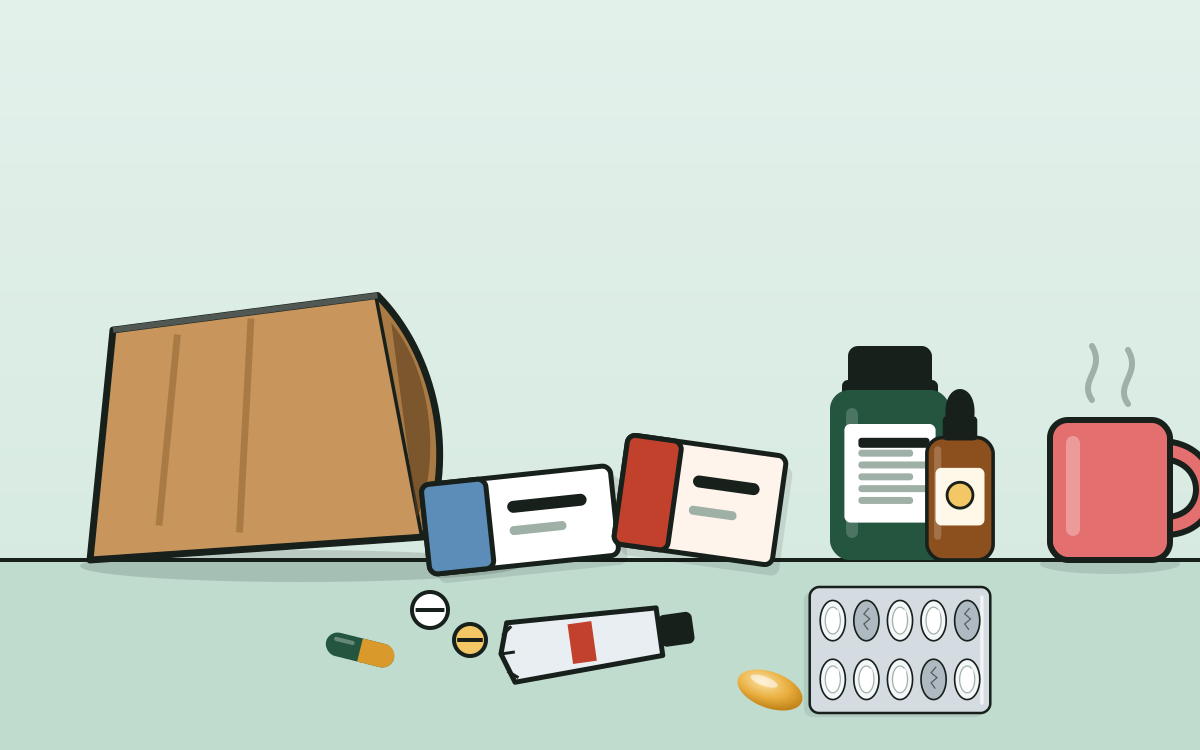
Ask your parents to put everything they take into one bag. That means prescriptions, drops, creams, inhalers, herbal remedies, vitamins and the “just in case” packets from a handbag. NICE says a medication review should take into account prescribed, over-the-counter and complementary medicines, so all of them belong on the list.
Then copy everything onto a sheet. MedlinePlus (NIH) suggests recording the name, the dose, when it’s taken and what it’s for. Keep a copy in the wallet and show it to every doctor and pharmacist. The quickest way is our medicines list for the GP, which flags combinations worth asking about and prints the sheet.
Talking to the GP or pharmacist
In England, the NHS offers structured medication reviews, led by clinical pharmacists in GP practices. They’re aimed at people on 10 or more medicines, people in care homes, and people with severe frailty who are housebound or have recently been in hospital or had a fall. If your parent doesn’t fit those groups, they can still ask their GP or a community pharmacist to go through the list.
Questions worth asking:
- Is every medicine on the list still needed?
- Should any dose change? With age, the kidneys clear medicines more slowly.
- Which supplements are fine with these medicines, and which aren’t?
- What should happen if a dose is missed?
Write the answers straight onto the sheet. Prescribed medicines shouldn’t be stopped or reduced without the prescriber.
Pill organisers and a pill calendar
Once there are more than two or three tablets a day, mix-ups are almost inevitable. MedlinePlus describes organisers for 7, 14 or 28 days with sections for morning, midday, evening and bedtime. Automatic dispensers with a light and an alarm also exist.
Organisers have limits. Some medicines need to stay in their original packaging, so check with the pharmacist before decanting everything. If your parents lose track, print a weekly pill chart: a tick straight after each dose shows whether it’s been taken.
Avoiding double doses
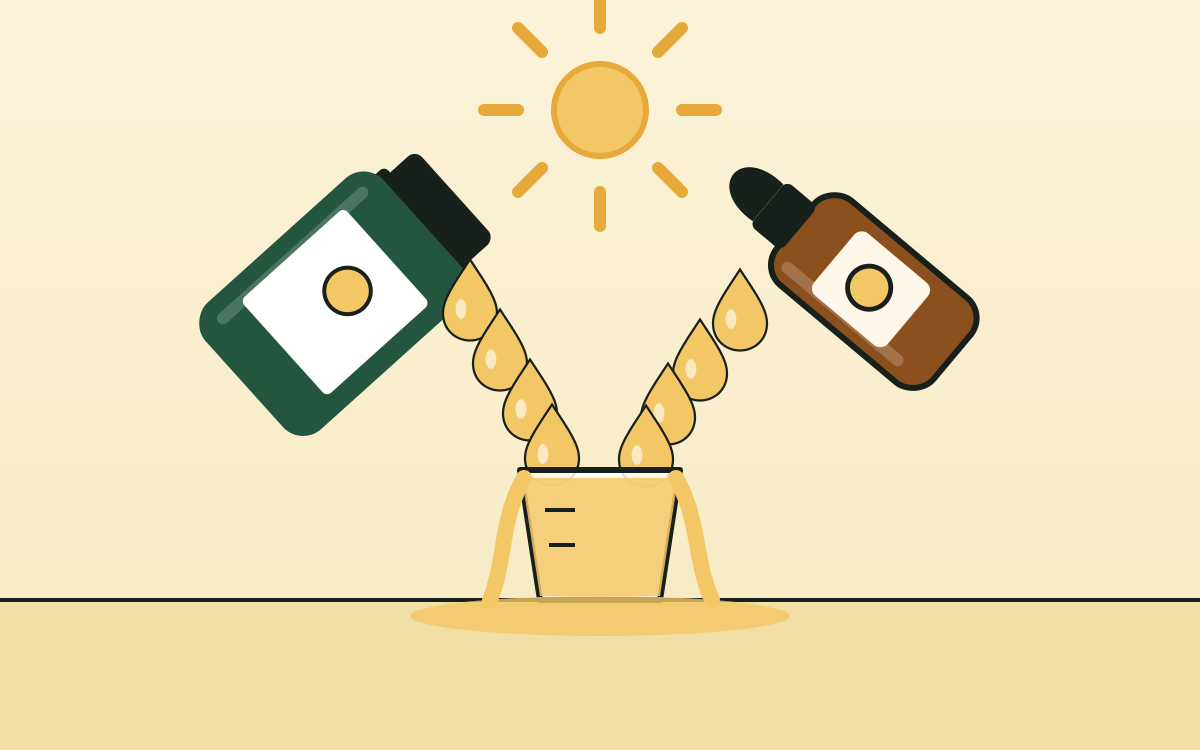
The most common family mistake is two bottles of the same thing. Mum takes a multivitamin, her daughter brings vitamin D, and her son adds a “joint formula” with more vitamin D in it.
| Combination | What doubles | What to do |
|---|---|---|
| Two multivitamins | vitamin A, D, iron, zinc | keep one |
| Multivitamin plus vitamin D drops | vitamin D | add the doses: no more than 100 mcg (4,000 IU) a day in total |
| Multivitamin with calcium plus a calcium tablet | calcium | add up the total, including food |
| Multivitamin with iron, for someone over 50 | iron | switch to an iron-free formula |
| Fish liver oil plus a multivitamin with vitamin A | vitamin A | no more than 1.5 mg a day including food |
If a dose has doubled anyway, don’t try to even it out by skipping the next day. Ask the pharmacist what to do for that particular product.
If you live far away
Plenty of people help their parents from another city or another country. It’s harder, but it can be done:
- ask them to show you every box over a video call and write the list yourself;
- post the printed calendar, or ask a neighbour to print it;
- agree which relative nearby fills the organiser once a week;
- find out which pharmacy your parents use: the pharmacist often knows what they buy.
If your parents don’t want help, don’t push. Leave a blank list with them and suggest coming back to it before their next GP appointment. Adults who can make their own decisions have the right to decide what they take.
Storing medicines and vitamins safely
- Somewhere cool and dry, out of direct sunlight. Not in the bathroom, by the sink, near the cooker or on a radiator.
- In the original packaging, which shows the dose and the expiry date.
- Out of reach of grandchildren and pets. The NHS warns that very high doses of iron can be fatal for children.
- Out-of-date and unwanted medicines go back to the pharmacy, not in the bin or down the toilet.
When to get help
Contact the GP or pharmacist if:
- your parents are mixing up doses or can’t remember whether they’ve taken a tablet;
- they feel dizzy, weak or drowsy after starting a new medicine or supplement;
- tablets are left in the organiser at the end of the week, or packs run out at odd times;
- the routine has become too complicated: MedlinePlus advises telling the doctor, who may be able to reduce the number of medicines.
For urgent advice, call NHS 111. If someone has taken an extra dose and feels unwell, collapses or becomes confused, call 999.
Gifts for elderly parents’ health
The best gift is rarely a bottle. See which ideas work and which are better left on the shelf:
Health gifts for elderly parents
Pick an idea to see when it makes sense and when to think again
Gift idea
Our take
A good gift for anyone on more than two tablets
A weekly organiser with morning and evening sections helps avoid missed and doubled doses. Large lids are easier to open.
Check: medicines that must stay in their blister don't go in it
Our take
Fine, if it isn't already in another bottle
The NHS advises 10 mcg a day in autumn and winter, and all year for people who rarely go out. Check the multivitamin first.
Check: vitamin D 10 mcg (400 IU), not a megadose
Our take
The most useful present
Go with them to the GP or pharmacist with a list of their medicines. It often does more than any bottle.
Our take
Only if it doesn't double up
Compare its vitamin D, calcium, iron and vitamin A with what's already at home. For men and women after the menopause, an iron-free formula usually makes more sense.
Our take
Not without their GP
Ginkgo may add to bleeding risk with warfarin and other anticoagulants, which many people over 60 take.
Memory worries are a reason to see a GP, not to buy a supplement.
Our take
Think again
Official NHS and NIH advice for over-50s covers vitamin D, B12, calcium and protein. Megadoses and anti-ageing blends aren't part of it.
High-dose vitamin A is linked to fractures.
Ginkgo “for memory” isn’t a gift to give without their GP’s say-so: with warfarin and other anticoagulants it may add to bleeding risk (more in our ginkgo biloba guide). Memory worries are a reason to see a GP; see memory over 60.

How to choose for your parents on iHerb
- List everything your parents already take and show it to their GP.
- Check whether their multivitamin already contains vitamin D, calcium or iron.
- If they need vitamin D, choose 400–1,000 IU, not 5,000 IU.
- Pick an easy form: drops and chewables help if swallowing is hard (see trouble swallowing pills).
- Add the new bottle to the list and the pill calendar so everyone knows about it.
Bottom line: what to choose
More than two tablets a day
A weekly pill organiser
With morning and evening sections
Pill organisers on iHerbParents who rarely go out
Vitamin D3 400 IU
If no other bottle already contains it
Vitamin D3 on iHerbButtons lead to selections of the right form on iHerb. These are affiliate links; your price doesn't change.
FAQ
What vitamins should I buy for my elderly parents?
Often just vitamin D, 10 mcg (400 IU) a day, and all year if they rarely go out. B12 matters after 50 too, but check whether their multivitamin already has it and whether their GP has tested it. Anything else should wait for a chat with their GP.
How can I help elderly parents with their medication?
Gather every box and bottle in one bag and copy them onto a list: name, dose, time and what each is for. Show the list to their GP or pharmacist and ask whether everything is still needed. Then set out the week’s doses in an organiser or a printed chart with tick boxes.
What are good health gifts for elderly parents?
A weekly pill organiser, vitamin D at a sensible dose if they don’t already take it, and your time: going with them to the GP or pharmacist with a medicines list. Skip megadoses, anti-ageing sets and ginkgo unless their GP agrees.
Can my parents take two multivitamins?
Better not. Two multivitamins mean double doses of vitamin A, D, iron and zinc. Women past the menopause and older men should keep vitamin A from food and supplements to 1.5 mg a day or less.
What should I do if my mum took a tablet twice?
Ring her pharmacist or GP, or NHS 111, with the medicine’s name, the dose and the time. If she feels unwell, call 999. To prevent a repeat, tick off each dose on a calendar.
Sources
- NICE NG5. Medicines optimisation: the safe and effective use of medicines
- NHS England. Structured medication reviews and medicines optimisation
- MedlinePlus (NIH). Taking multiple medicines safely
- MedlinePlus (NIH). Keeping your medicines organized
- United Lincolnshire Hospitals NHS Trust. Storing medicines at home
- NHS. Vitamin D
- NHS. Iron
Helping parents at a glance
Based on NICE, the NHS and MedlinePlus (NIH)
- First step
- put every medicine and supplement in one bag
- The list
- name, dose, time, what it's for; a copy in the wallet
- Medication review
- covers prescribed, over-the-counter and herbal (NICE)
- Missed dose
- never take a double dose
- Storage
- cool and dry; not the bathroom or by the cooker
- Vitamin D
- 10 mcg (400 IU); all year if they rarely go out
Treatment decisions belong to your parents and their GP. Your job is to help gather the facts and stop doses doubling up.
Vitamin D3 400 IU on iHerbCheck their multivitamin doesn't already contain it
Contents
- Vitamins for elderly parents: start before you buy
- Talking to your parents about medicines
- Helping elderly parents with medication: one bag, one list
- Talking to the GP or pharmacist
- Pill organisers and a pill calendar
- Avoiding double doses
- If you live far away
- Storing medicines and vitamins safely
- When to get help
- Gifts for elderly parents’ health
- How to choose for your parents on iHerb