Memory after 60: normal forgetfulness or a warning sign, and do memory supplements for the elderly work?
 Reviewed by
This article contains affiliate links to iHerb. If you buy through them, we earn a commission at no extra cost to you. It doesn't affect which forms we recommend. Learn more
Forgetting a name or where you left your glasses is part of getting older. Losing track of the date or struggling with bills is not, and it deserves a GP visit. No supplement has been shown to prevent dementia, but a few things you can check and change do matter: B12 and thyroid tests, hearing and eyesight, exercise and time with other people.
Memory after 60: normal ageing or a warning sign
Walking into the kitchen and forgetting why. Meeting a neighbour and needing a second for their name. According to the NIA, this kind of mild forgetfulness is common with age: you may learn new things more slowly and recall them less quickly. It doesn’t stop you living your life.
Dementia is different, and the NHS is clear that it isn’t a natural part of ageing. The early signs it lists are:
- memory loss that affects daily life;
- difficulty concentrating;
- trouble with familiar tasks, such as getting confused over change when shopping;
- struggling to follow a conversation or find the right word;
- confusion about time and place;
- mood changes.
These signs are often mild at first and creep up slowly. You may not notice them yourself, and family may not take them seriously for a while.
Not sure which side of the line something falls? Compare what you’ve noticed:
Normal forgetfulness or time to see a GP?
Pick what you've noticed in yourself or a parent
What's happening
What it may mean
Usually normal
Losing things from time to time is part of life. It's more of a concern when things go missing often and can't be found.
What it may mean
Once is normal
Anyone can miss a payment. It's worth a GP visit when managing monthly bills becomes a struggle.
What it may mean
Now and then is normal
Tip-of-the-tongue moments happen to everyone. Trouble following or keeping up a conversation is different.
What it may mean
Worth seeing a GP
Repeating questions, getting confused in familiar places or struggling with change in shops are early signs to talk to a GP about.
Sudden confusion, weakness on one side or slurred speech: call 999.
What it may mean
Worth seeing a GP
Forgetting what day it is and remembering later is normal. Losing track of the date or the time of year is not.
The NIA’s comparison is a useful yardstick. Missing one monthly payment is normal; struggling to manage bills is not. Forgetting what day it is and remembering later is normal; losing track of the date or the time of year is not. Losing things now and then is normal; misplacing them often and being unable to find them is a reason to check.
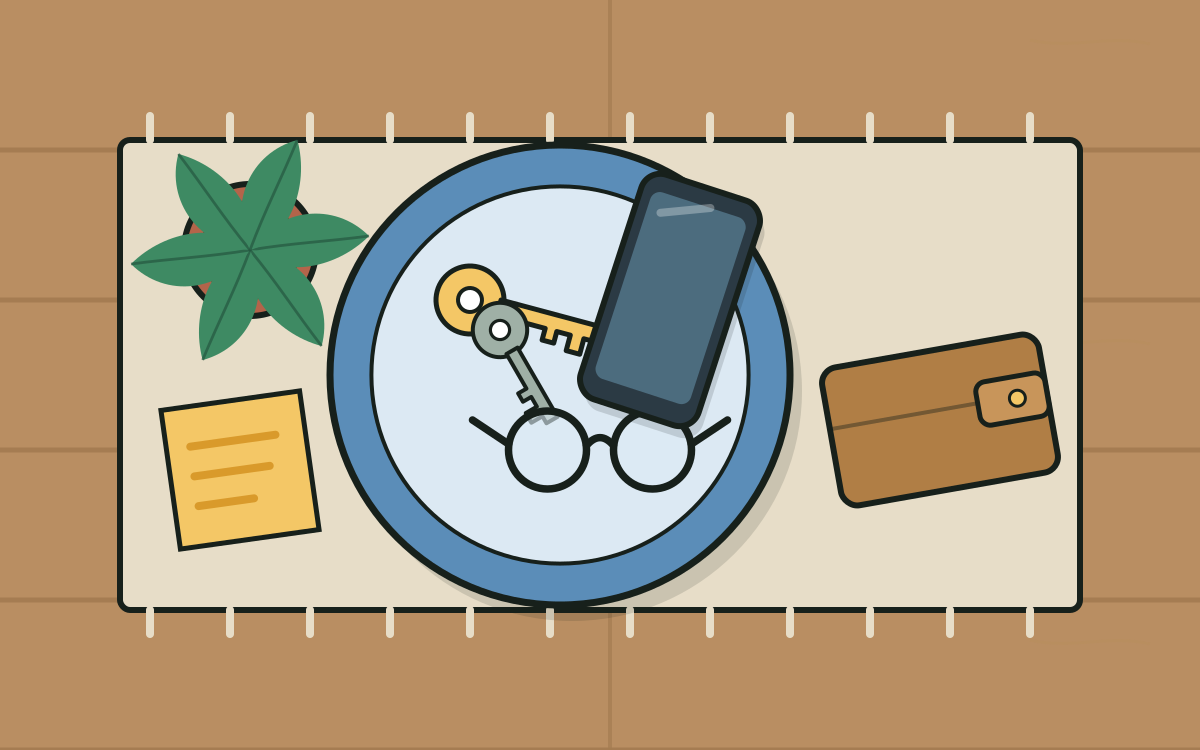
For everyday forgetfulness, the NIA suggests practical habits: a daily routine, to-do lists and calendars, and keys, phone and glasses always kept in the same place.
Memory supplements for the elderly: what the evidence says
Honestly, the summary is short. No supplement has been shown to prevent dementia or reliably improve memory in people who aren’t deficient. Pills promising to sharpen the brain may be unsafe, a waste of money, or both, warns the NIA, and they can interfere with other treatment.
| Supplement | What trials found | Verdict |
|---|---|---|
| Ginkgo biloba | GEM trial: 3,069 people aged 75+, 120 mg twice a day for about 6 years; dementia no less common than on placebo | Doesn’t prevent dementia; bleeding risk with blood thinners |
| Omega-3 capsules | Cochrane 2012: 3 trials, over 3,500 older people without dementia, no benefit; no convincing effect in Alzheimer’s disease either | Eating fish has the most consistent links; capsules unproven for memory |
| B vitamins (B12, B6, folic acid) | Cochrane 2018: no benefit over 6–24 months; a 2022 analysis of longer studies suggests a possible slowing of decline | Correct a deficiency; otherwise uncertain |
| Vitamin D, calcium, high doses of single vitamins | No clear benefit for thinking in well-nourished people (NCCIH) | Take vitamin D for bones, not memory |
| Daily multivitamin | NIA: recent trials suggest it may improve memory and thinking in older adults | Possible small benefit; not shown to prevent dementia |
| Vitamin E | No evidence it stops mild cognitive impairment turning into dementia | Not recommended for memory |
| Curcumin | Few trials, inconsistent results | Not enough evidence |
Ginkgo. It’s the best-known memory herb and the clearest example of a trial that settled the question for prevention. In GEM, 277 of 1,545 people on ginkgo developed dementia, compared with 246 of 1,524 on placebo. Ginkgo also raises bleeding risk with anticoagulants. Our ginkgo biloba guide covers the details.
Omega-3. NCCIH notes that fish in the diet gives the most consistent results for brain health. Capsules haven’t shown the same benefit in trials. If you rarely eat oily fish, a supplement can fill a diet gap, but don’t buy it for memory alone.
B vitamins. A deficiency of B12 can itself cause memory problems, and that’s the one situation where a supplement clearly helps. Short courses in people with normal levels didn’t improve memory.
For more on brain supplements in general, see our brain and memory section.
B12 and thyroid: tests worth asking for
When someone goes to a GP with memory problems, the NHS lists the blood tests usually done to rule out other causes:
- vitamin B12 and folate;
- thyroid function;
- HbA1c, to check for diabetes;
- liver function;
- kidney function.
B12 is worth checking even before memory becomes a worry. Absorption from food falls with age, and metformin and long-term acid reducers lower it further. Our vitamin B12 guide explains who’s most at risk and which forms to choose.
Other treatable causes on the NIA’s list: side effects of medicines, depression and anxiety, sleep problems, heavy drinking, and problems with the thyroid, kidneys or liver. A medicines review can help, and you can prepare with our medicines list for your GP.
Hearing and vision
Hearing loss is on the NHS list of risk factors for dementia identified by research. The NIA advises treating age-related hearing or vision loss as part of looking after your thinking.
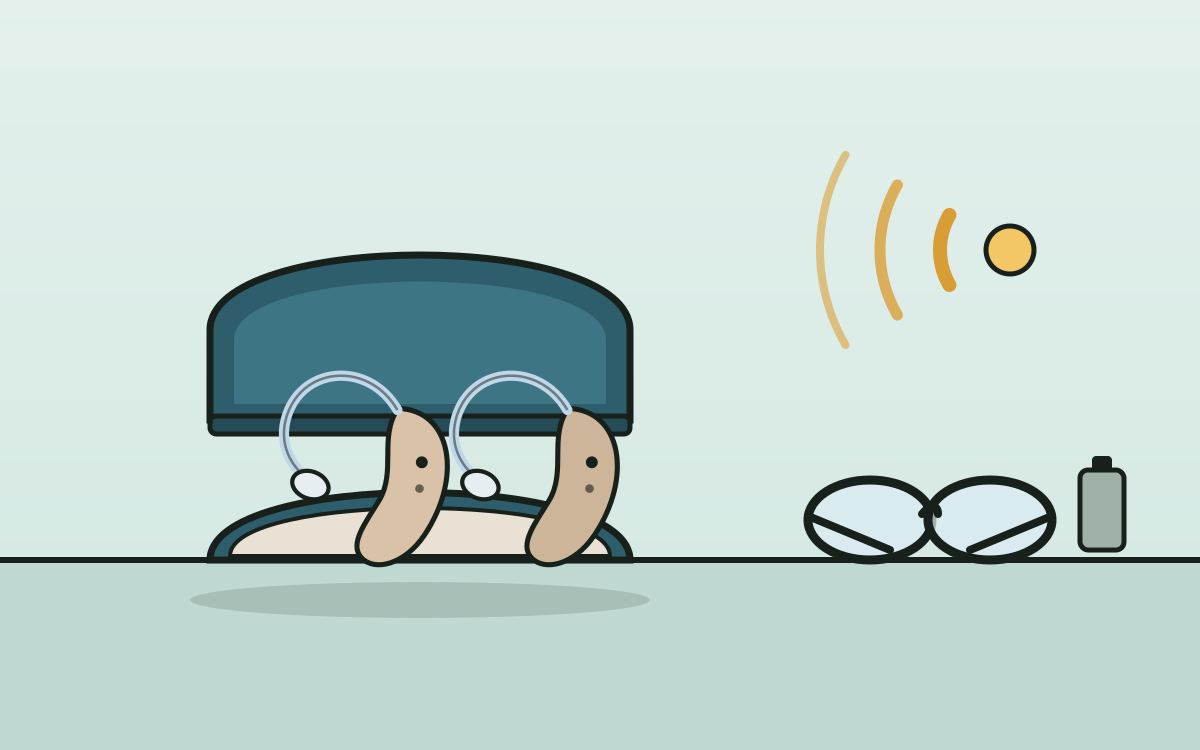
In practice that means a hearing test if you turn the television up or miss parts of conversations. It also means a regular eye test, and wearing hearing aids or glasses once you have them. If a parent resists, start with the practical gain: phone calls and family dinners get easier.
Exercise and social contact
By changing the risk factors we can change, around 4 in 10 cases of dementia could be prevented, says the NHS. Much of the list overlaps with heart health:
- at least 150 minutes of moderate activity a week, such as brisk walking, plus strength exercises twice a week;
- less time sitting;
- keeping blood pressure, weight and blood sugar in a healthy range;
- no smoking, and alcohol within 14 units a week;
- treating depression, and avoiding loneliness and isolation.
Social contact matters more than it sounds. The NIA describes a study of more than 7,000 people aged 65 and over in which high social engagement, such as visiting neighbours and volunteering, went with better thinking in later life. If your parents live in another town, a short video call at a set time a few times a week is an easy start. A weekly chess game, a walking group or a choir counts.
If you’re worried about a parent
Adult children often spot the change first: the same story told twice in one phone call, unpaid bills on the table, a missed hospital appointment. Raising it is hard, so make it about a check-up rather than a diagnosis. “Shall we ask the GP about your memory and your tablets together?” lands better than “I think something’s wrong”.
Before the appointment:
- write down two or three recent examples, with dates;
- list all medicines and supplements, including anything from abroad;
- ask whether your parent is happy for you to come in and help describe things.
The NHS suggests talking to a GP if you’re worried about an older relative becoming more forgetful. If memory problems are confirmed, the NIA advises a follow-up check every 6–12 months.
When to see a GP
See a GP if memory problems are affecting your daily life, or if you’re worried about a relative who is becoming more forgetful. Bring someone who can describe the changes. The NHS advises seeing a GP sooner rather than later, and the NIA points out that many causes of memory problems are treatable.
Run through this list before the appointment:
What to check if your memory is slipping
Tick what's done. Some causes are treatable
0 / 7 checked
Take this list to your GP. If the tests are normal and memory keeps getting worse, ask about a memory clinic referral.
Sudden confusion, weakness on one side of the body or slurred speech is different: call 999.
How to choose on iHerb if you still want a supplement
- Get a B12 blood test first; if it’s low, follow your GP’s dose.
- Avoid “brain formulas” with ginkgo if you take a blood thinner.
- Skip blends without amounts for each ingredient.
- Check for hidden caffeine and high vitamin B6 in memory products.
- Judge it honestly after a few weeks, and stop if nothing changes.
For supplements generally worth considering after 50, see vitamins for over 50s, or take our vitamin check.
Bottom line: what to choose
Low B12 on a blood test
Vitamin B12
Your GP sets the dose; common after 50 and on metformin
B12 on iHerbAutumn and winter in the UK
Vitamin D 10 mcg (400 IU)
NHS advice for bones and muscles, not memory
Vitamin D on iHerbButtons lead to selections of the right form on iHerb. These are affiliate links; your price doesn't change.
FAQ
Do memory supplements work for elderly people?
Not in the way they’re marketed. NCCIH reviews found no supplement that prevents dementia, and high doses of single vitamins showed no clear benefit for thinking in well-nourished people. The exception is a real deficiency, such as low B12, which a blood test can find.
Does ginkgo help memory?
Large trials say no for prevention. In the GEM trial, 3,069 people aged 75 and over took 120 mg of ginkgo twice a day or a placebo for about 6 years, and dementia was no less common with ginkgo. Ginkgo can also raise bleeding risk with blood thinners.
Which vitamins help memory over 60?
Only the ones you’re short of. Low B12 can cause memory problems, and absorption falls with age and on metformin or acid reducers. Ask your GP for a blood test before buying. Short courses of B vitamins didn’t improve memory in people who weren’t deficient.
Is it normal to be forgetful at 70?
Some forgetfulness is normal: losing things now and then, missing a payment once, struggling for a word. It’s worth seeing a GP if forgetting affects daily life, for example getting lost in familiar places, repeating questions or losing track of the date.
What tests will a GP do for memory loss?
Usually blood tests for liver and kidney function, thyroid function, HbA1c (for diabetes), and vitamin B12 and folate. The GP will also ask about your symptoms, may do a short memory test and may refer you to a memory clinic.
Can hearing loss affect memory?
Hearing loss is one of the risk factors for dementia that the NHS lists. Getting your hearing checked, and using hearing aids if you need them, is a sensible step at any age.
Sources
- NHS. Symptoms of dementia
- NHS. Tests for diagnosing dementia
- NHS. Can dementia be prevented?
- National Institute on Aging. Memory Problems, Forgetfulness, and Aging
- National Institute on Aging. Cognitive Health and Older Adults
- NCCIH. Dietary Supplements and Cognitive Function, Dementia, and Alzheimer's Disease: What the Science Says
- DeKosky ST et al. Ginkgo biloba for prevention of dementia: a randomized controlled trial (GEM). JAMA, 2008
Memory after 60 at a glance
Based on NHS, NIA and NCCIH reviews of the evidence
- Prevents dementia
- no supplement has shown this
- Ginkgo
- GEM trial, 3,069 people aged 75+: no protection
- Omega-3 capsules
- no benefit for memory in older people without dementia
- B vitamins
- help if you're deficient; short courses didn't help others
- GP blood tests
- B12, folate, thyroid, sugar, liver, kidneys
- What helps
- exercise, hearing and sight checks, social contact
If memory problems are affecting daily life, see a GP rather than trying supplements first.
Shop vitamin B12 on iHerbLow B12 can affect memory; a blood test shows whether you need it