Vitamins for women over 60: what you need after the menopause and what you can skip
This article contains affiliate links to iHerb. If you buy through them, we earn a commission at no extra cost to you. It doesn't affect which forms we recommend. Learn more
After 60, a woman's supplement list gets shorter, not longer. Bones and B12 move up, iron drops off, and vitamin A becomes something to limit. This page is for women over 60 and for daughters and sons who shop for their mothers.
Vitamins for women over 60: what actually changes
Most of the general advice for over 50s applies to you, and our guide to vitamins for over 50s covers it for both sexes. This page looks only at what is different for a woman past 60: years after the menopause, often with a repeat prescription or two, and often with a daughter or son asking what to buy.
Four things shift. Bones lose density faster, so calcium and vitamin D matter more. Your stomach releases B12 from food less well. Iron needs fall to the same level as a man’s. And vitamin A, which younger women rarely worry about, now has a ceiling worth watching.
| Nutrient | What changes after 60 | What to do | Source |
|---|---|---|---|
| Vitamin D | helps you absorb calcium | 10 mcg (400 IU) a day | NHS |
| Calcium | about 1% of bone density lost each year after the menopause | 700–1,200 mg a day, mostly from food | NHS, NIH ODS |
| Vitamin B12 | less stomach acid, so less B12 freed from food | a test if you take metformin or acid reducers | NIH ODS |
| Iron | need falls from 14.8 mg to 8.7 mg a day | no supplement without a blood test | NHS |
| Vitamin A | high intake linked to fractures | under 1.5 mg a day, food and pills together | NHS |
Supplements for women over 60: bones come first
According to NIH ODS, women lose roughly 1% of their bone mineral density a year after the menopause. By 60 that adds up. The NHS advice for keeping bones strong is plain: 700 mg of calcium a day, which you should be able to get from food, 10 micrograms of vitamin D, and weight-bearing and resistance exercise. It also suggests no more than 14 units of alcohol a week, and stopping smoking.
Calcium figures differ between countries. In the US, the NIH sets 1,200 mg a day for women over 50, with an upper limit of 2,000 mg from all sources. If you eat dairy every day, you are probably close to the UK figure already. A glass of milk, a pot of yoghurt and a piece of hard cheese go a long way. If you eat little dairy, a supplement can fill the gap:
- tablets are absorbed best at 500 mg or less per dose, so split a larger amount;
- calcium carbonate needs stomach acid, so take it with a meal;
- calcium citrate can be taken with or without food, which suits women on acid-reducing tablets;
- count the calcium already in your multivitamin before buying a separate bottle.
Some studies have linked calcium supplements to heart problems and others have found no link. NIH ODS calls the evidence mixed. Getting most of your calcium from food sidesteps the question. Forms and doses are covered in calcium and vitamin K2 and our vitamin D3 guide.
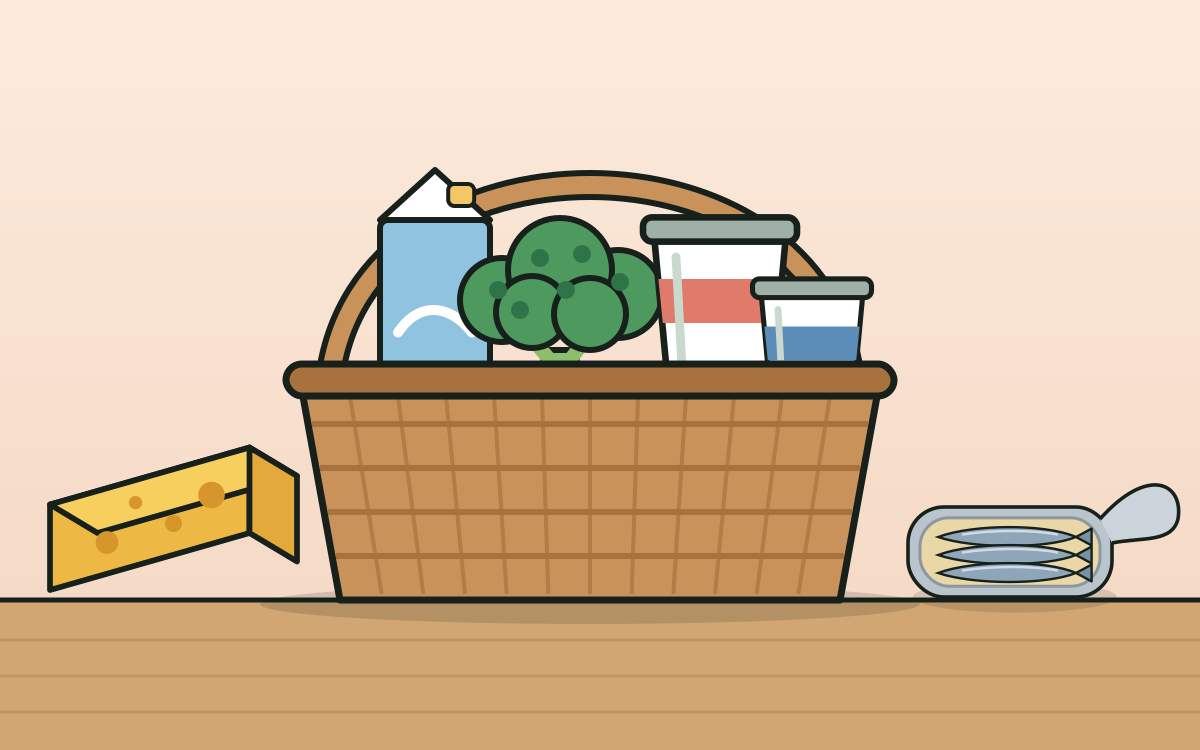
Protein holds up the other half of the picture. Muscle keeps you steady on your feet, and a fall is how a weak bone becomes a broken one. How much protein to aim for, and why strength exercise matters more than any capsule, is covered in muscle loss and sarcopenia.
Osteoporosis screening and FRAX
Supplements can’t tell you whether your bones are thinning. A fracture risk assessment can. NICE advises considering it for all women aged 65 and over, and earlier if you have a risk factor such as:
- a previous fracture from a minor fall;
- steroid tablets now or often in the past;
- falls;
- a parent who broke a hip;
- a body mass index under 18.5;
- smoking, or more than 14 units of alcohol a week.
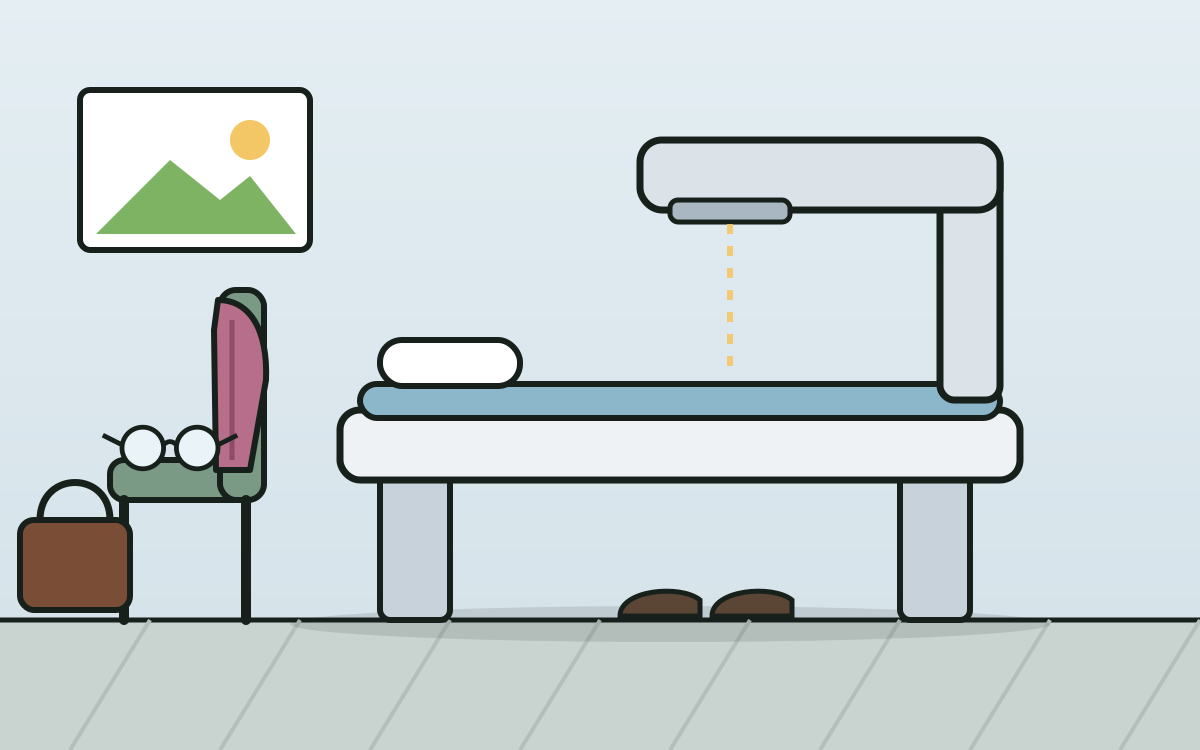
Your GP enters your details into a calculator such as FRAX, which works for ages 40 to 90. A bone density (DXA) scan usually comes after that score, when the result is close to the treatment threshold, not as the first step. If you are worried, ask directly at your next appointment: “Can you work out my fracture risk?” Our bone health and falls guide explains what happens after the score.
Vitamin B12 after 60
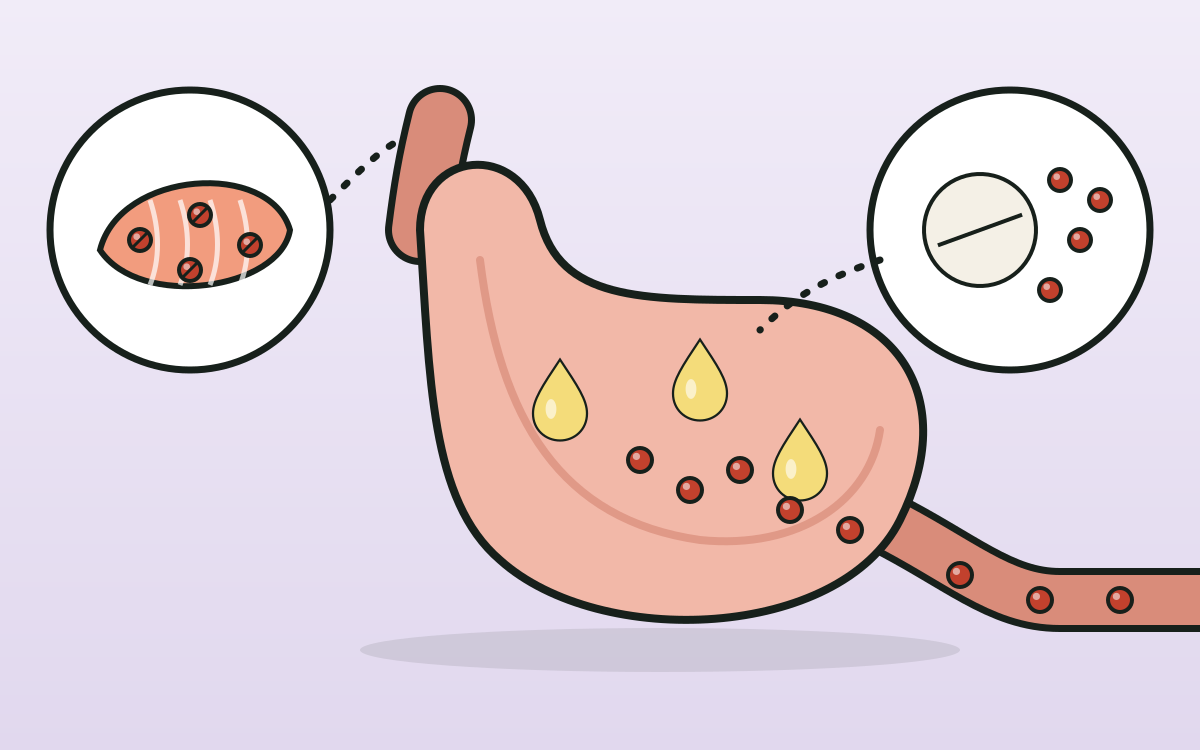
B12 in meat, fish and milk is bound to protein. Stomach acid has to free it before the gut can absorb it. Atrophic gastritis, a condition that reduces stomach acid, affects about 2% of people overall but 8–9% of adults aged 65 and over, according to NIH ODS. Depending on how deficiency is defined, between 3% and 43% of older adults living at home have low B12.
Two common medicines make it worse. Metformin for diabetes can lower B12 levels, and acid reducers such as omeprazole slow the release of B12 from food. If you have taken either for years, ask for a B12 blood test at your next review. Tingling feet, unsteadiness or new forgetfulness are reasons to ask sooner. Which form to buy is compared in the vitamin B12 guide.
Iron after the menopause: usually not needed
This is where many “women’s” formulas go wrong for older women. For iron, the NHS figure is 14.8 mg a day up to age 49 and 8.7 mg from 50, the same as for men. Without periods, ordinary food covers that.
Extra iron brings no benefit when your stores are normal. According to the NHS, 17 mg a day or less from supplements is unlikely to cause harm, and doses over 20 mg can cause constipation, nausea and stomach pain. If a blood test shows low iron at this age, your GP will want to know why before treating it. Pages on iron tablets and supplements for women cover the younger years, when iron really is a common problem.
Vitamin A and your bones
The NHS advises women past the menopause to keep vitamin A from food and supplements to 1.5 mg a day or less. Over many years, more than that on average may make bones more likely to fracture. A woman’s daily need, by the NHS figure, is 0.6 mg.
Three places it hides:
- Liver and pâté. Eat them no more than once a week, says the NHS. If you do, skip supplements containing vitamin A.
- Fish liver oil, including cod liver oil, which is high in vitamin A.
- Multivitamins. Look for “vitamin A (as retinyl palmitate)” or “retinol” on the label and add it to your fish liver oil, if you take one.
Omega-3 over 60: what the big trials found
Fish oil is an easy thing to buy for a parent, and the evidence behind it is more modest than the packaging. In the VITAL trial, 25,871 men over 50 and women over 55 took 1 g of omega-3 a day for about five years. Major heart events combined didn’t fall, and cancer rates didn’t change. In AREDS2, omega-3 didn’t protect memory in people with macular degeneration, and didn’t slow the eye disease either. A year-long trial in dry eye found no difference from placebo.
So oily fish once or twice a week is a fine habit, and a capsule is optional. Two cautions: high doses of 4 g a day slightly raised the risk of atrial fibrillation in two large trials, and fish oil may change INR in people on warfarin. How to read EPA and DHA on the label is explained in the omega-3 guide.
Best multivitamin for women over 60 in the UK: reading the label
No brand is “best” for everyone. A good one for a woman over 60 is boring: no iron, sensible vitamin D, some B12 and modest vitamin A. Tick off the label of the product you’re looking at, or the one already in your mother’s cupboard:
Multivitamin label check for women over 60
Tick what the label gets right. Ticks are saved only in this browser
0 / 7 checked
Everything ticked. Show the bottle to your pharmacist with your medicines list, and it's good to go.
Iron-free multivitamins on iHerbA multivitamin doesn’t replace food or treat a deficiency. Low B12 or low vitamin D found on a blood test is treated separately, at doses your GP sets. More in our multivitamin guide.
Medicines: calcium, thyroid tablets and osteoporosis treatment
Many women over 60 take levothyroxine or a bisphosphonate, and both clash with minerals. NIH ODS notes that calcium carbonate can interfere with the absorption of levothyroxine, and the US levothyroxine label advises leaving 4 hours between them. Alendronic acid is taken first thing on an empty stomach with plain tap water, and you stay sitting or standing, without food, for 30 minutes. Calcium stops it being absorbed, so one NHS trust leaflet says to wait at least 3–4 hours before a calcium supplement. If you take both levothyroxine and alendronic acid, work out the morning order with your pharmacist. The exact routine is in our bone health guide, and a table by medicine group is in supplements and medicines after 50.
Pick the situation that matches yours, or your mother’s:
Medicines and vitamins over 60: your situation
Pick the one closest to yours, or your mother's
Your situation
What to do
Keep calcium away from your thyroid tablet
NIH ODS notes that calcium carbonate can interfere with the absorption of levothyroxine, and the levothyroxine label advises a 4-hour gap. Ask your pharmacist what gap you need for iron or a multivitamin with minerals.
Guide: A gap of 4 hours
What to do
The tablet first, calcium 3–4 hours later
Alendronic acid goes first thing on an empty stomach with plain tap water, and you stay upright for 30 minutes. Calcium stops it being absorbed, so one NHS trust leaflet says to wait at least 3–4 hours. If calcium and D are already prescribed, don't add your own.
Guide: Calcium at least 3–4 hours after
Check the leaflet in your own pack: routines vary slightly
What to do
Ask for a B12 test
Metformin can lower B12, and acid reducers slow its release from food. If you've taken them for years, ask for B12 at your next blood test.
What to do
Top up the gap your food leaves
Add up the calcium from your food. Split any supplement into doses of 500 mg or less; citrate works without food, carbonate with a meal.
Guide: 500 mg or less per dose
What to do
Fish oil only after talking to your clinic
Fish oil may change INR. Your anticoagulation clinic should know about any new supplement.
What to do
Start with a list of her medicines
Write down every tablet, vitamin and herbal product she takes and show it to her GP or pharmacist before you buy.
Before a GP or pharmacist appointment, put every tablet, vitamin and herbal product on one page. A medicines list for your GP does that and prints it out.
Who should be careful
- Kidney stones. High doses of supplemental calcium might raise the risk, although later reviews found no clear link. Ask before starting calcium if you have had stones.
- Warfarin. Fish oil may change INR. Tell the anticoagulation clinic about any new supplement.
- Osteoporosis treatment. If calcium and vitamin D are already on your prescription, don’t add your own on top.
- Several repeat prescriptions. Have a pharmacist check the whole list once a year.
How to choose vitamins for women over 60 on iHerb
- Write down every medicine and supplement you take now, and show the list to your GP or pharmacist.
- Start with vitamin D 400 IU (10 mcg) a day.
- Count your daily calcium from food; buy a supplement only for the gap, at 500 mg or less per dose.
- If you want a multivitamin, choose one without iron and with modest vitamin A.
- Ask about B12 if you take metformin or acid reducers, and about FRAX from 65.
- Unsure where to start? Our vitamin check has answers for 51–64 and 65+.
Bottom line: what to choose
On metformin or omeprazole
Vitamin B12, after a test
Your GP sets the dose if you're low
B12 on iHerbLittle milk, yoghurt or cheese
Calcium citrate, 500 mg or less a dose
Only to fill the gap your food leaves
Calcium citrate on iHerbButtons lead to selections of the right form on iHerb. These are affiliate links; your price doesn't change.
FAQ
What vitamins should a woman over 60 take?
For most women, vitamin D 10 mcg (400 IU) a day, calcium mainly from food, and attention to B12, especially on metformin or heartburn tablets. Iron and extra vitamin A are usually best left out. Anything beyond that depends on blood tests and medicines.
What are the best vitamins for women over 60 for bones?
Vitamin D and calcium, with protein and regular weight-bearing exercise. The NHS puts calcium at 700 mg a day from food; the US figure for women over 50 is 1,200 mg. From 65, NICE suggests a fracture risk assessment, which your GP can do with a tool such as FRAX.
What's the best multivitamin for women over 60 in the UK?
There’s no single best brand. Look for a formula with no iron, vitamin D around 10–25 mcg, B12 included and modest vitamin A, so that with food you stay under 1.5 mg a day. Then make sure it doesn’t double up on your other bottles.
Do women over 60 need iron supplements?
Usually not. After the menopause the NHS figure drops from 14.8 mg to 8.7 mg a day, the same as for men. Tiredness or breathlessness is a reason for a blood test, not for buying iron on spec.
Is omega-3 worth taking after 60?
The large VITAL trial gave 1 g a day to over 25,000 older adults and found no fall in major heart events combined, and no effect on cancer. Eating oily fish is still a good habit. If you take warfarin, talk to your anticoagulation clinic before starting fish oil.
Can I take calcium with my thyroid tablet?
Not at the same time. NIH ODS notes that calcium carbonate can block levothyroxine, and the levothyroxine label advises a 4-hour gap. Alendronic acid also goes on an empty stomach, and calcium waits at least 3–4 hours after it.
Sources
- NHS. Osteoporosis – Prevention
- NIH ODS. Calcium – Fact Sheet for Health Professionals
- NICE CG146. Osteoporosis: assessing the risk of fragility fracture
- NIH ODS. Vitamin B12 – Fact Sheet for Health Professionals
- NHS. Vitamins and minerals – Iron
- NHS. Vitamins and minerals – Vitamin A
- NIH ODS. Omega-3 Fatty Acids – Fact Sheet for Health Professionals
- Royal Berkshire NHS Foundation Trust. Osteoporosis drug treatment: alendronate (patient leaflet, 2025)
Women over 60 at a glance
Based on the NHS, NICE and NIH ODS
- Vitamin D
- 10 mcg (400 IU) a day (NHS)
- Calcium
- 700 mg (NHS) to 1,200 mg (NIH) a day, mostly from food
- Iron
- need falls to 8.7 mg a day; a supplement only after a blood test
- Vitamin A
- no more than 1.5 mg a day from food and supplements together
- Vitamin B12
- ask for a test if you take metformin or heartburn tablets
- Bone check
- NICE: consider a fracture risk assessment for all women from 65
If you take levothyroxine or an osteoporosis tablet, check the timing of calcium with your pharmacist.
Shop iron-free multivitamins on iHerbCheck vitamin A and D against your other bottles
Contents
- Vitamins for women over 60: what actually changes
- Supplements for women over 60: bones come first
- Vitamin B12 after 60
- Iron after the menopause: usually not needed
- Vitamin A and your bones
- Omega-3 over 60: what the big trials found
- Best multivitamin for women over 60 in the UK: reading the label
- Medicines: calcium, thyroid tablets and osteoporosis treatment
- Who should be careful
- How to choose vitamins for women over 60 on iHerb