Magnesium deficiency: symptoms, why a blood test says little, and magnesium-rich foods
This article contains affiliate links to iHerb. If you buy through them, we earn a commission at no extra cost to you. It doesn't affect which forms we recommend. Learn more
Tiredness, cramps and a twitching eyelid are often blamed on low magnesium online. But the symptoms are non-specific, and a blood test is a poor guide to your stores. Read on for who is genuinely at risk, what tests can and can't show, and which foods are richest in magnesium.
Magnesium deficiency symptoms
Signs of low magnesium are non-specific: the same complaints come with anaemia, thyroid problems, poor sleep and stress. So treat the list below as a reason to talk to your GP, not a way to diagnose yourself.
According to NIH ODS, early signs include:
- loss of appetite;
- nausea and vomiting;
- tiredness and weakness.
With more severe deficiency, you may also see:
- numbness and tingling;
- muscle contractions and cramps;
- personality changes;
- abnormal heart rhythms;
- seizures.
Severe deficiency also disturbs calcium and potassium, so their blood levels fall too. That’s a medical condition to be treated by doctors, not with supplements.
Get urgent help for palpitations or an irregular heartbeat, a seizure, severe weakness or confusion. This matters especially if you take diuretics or proton pump inhibitors, or drink heavily.

Low magnesium: causes and who is at risk
In healthy people, diet alone rarely causes a deficiency: when intake drops, the kidneys excrete less. Low magnesium is more often linked to health conditions, medicines or lifestyle.
| At-risk group | Why magnesium runs low |
|---|---|
| Gut conditions (Crohn’s disease, coeliac disease, small-bowel surgery) | Poorer absorption and losses with diarrhoea |
| Type 2 diabetes | The kidneys lose more magnesium when blood sugar is high |
| Heavy drinking | Low intake plus losses through the gut and kidneys |
| Age over 65 | Lower intake, poorer absorption, more medicines |
| Proton pump inhibitors for over a year | Reduced absorption; levels can fall a long way |
| Loop and thiazide diuretics | More magnesium lost in urine |
If you’ve been on a proton pump inhibitor such as omeprazole for a long time, your doctor may check magnesium before starting and from time to time during treatment, as the US FDA advises. In about a quarter of reported cases, supplements didn’t help and the medicine had to be stopped.

Is a magnesium blood test reliable?
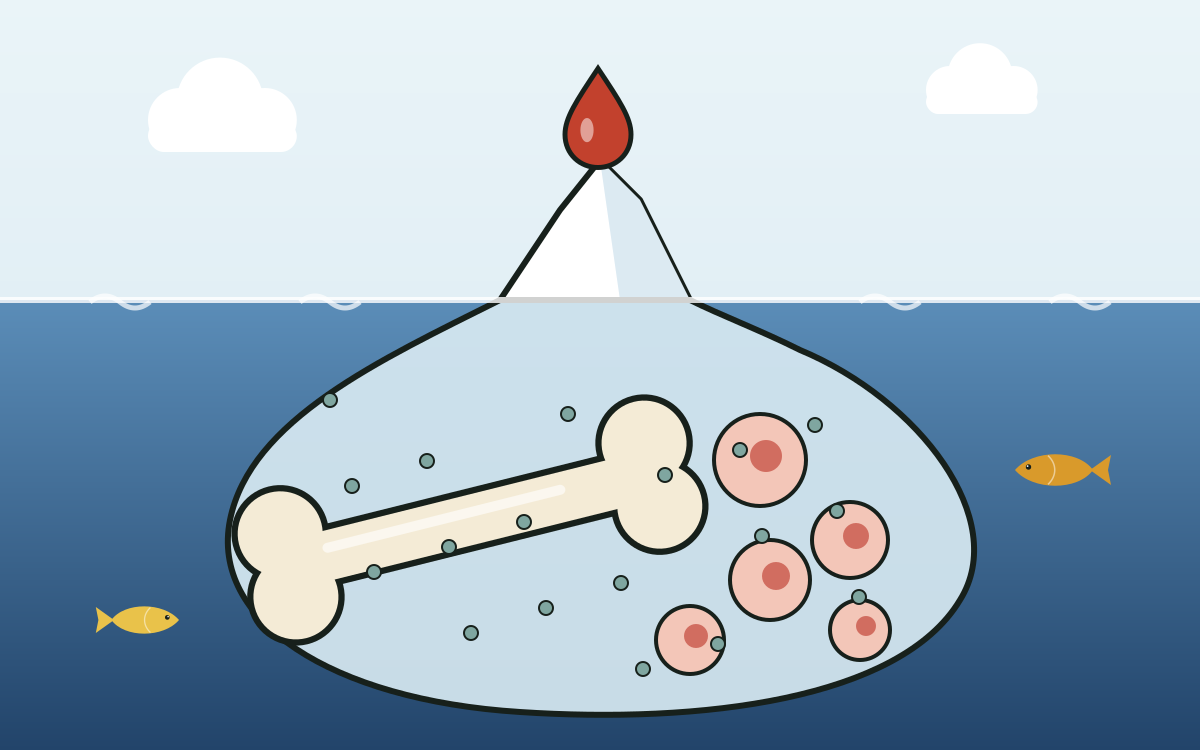
An adult body holds about 25 g of magnesium. 50–60% is in bone and most of the rest sits inside soft-tissue cells. Serum holds less than 1%, and the body keeps that level steady by drawing on its stores. So a normal result doesn’t prove your stores are fine.
What the tests can and can’t do:
- Serum magnesium. The normal range is 0.75–0.95 mmol/L; below 0.75 is hypomagnesaemia. It reliably picks up only marked deficiency.
- Red blood cell, saliva, urine and ionised magnesium. Used in research and some clinics, but no single method is considered satisfactory.
- Loading (tolerance) test, which measures how much magnesium is passed in urine after a dose. Experts disagree on whether it suits adults.
The Nordic Nutrition Recommendations 2023 make the same point: there’s no adequate functional marker of magnesium status. So the decision rests on the whole picture: diet, symptoms, conditions, medicines and any tests your GP orders. Other nutrient tests are covered in our tests and deficiencies section.
Magnesium-rich foods
Seeds, nuts, beans, wholegrains and leafy greens give the most magnesium. Values below are from the NIH ODS table. Cup measures are US cups, about 240 ml.
| Food | Serving | Magnesium, mg |
|---|---|---|
| Pumpkin seeds, roasted | 28 g | 156 |
| Chia seeds | 28 g | 111 |
| Almonds, dry roasted | 28 g | 80 |
| Spinach, boiled | ½ cup | 78 |
| Cashews, dry roasted | 28 g | 74 |
| Peanuts, roasted | ¼ cup | 63 |
| Soya milk | 1 cup | 61 |
| Black beans, cooked | ½ cup | 60 |
| Edamame, cooked | ½ cup | 50 |
| Peanut butter | 2 tbsp | 49 |
| Potato, baked with skin | 100 g | 43 |
| Brown rice, cooked | ½ cup | 42 |
| Plain yoghurt | 227 g | 42 |
| Banana | 1 medium | 32 |
| Milk | 1 cup | 27 |
| Salmon, cooked | 85 g | 26 |
Compare foods by group:
Food magnesium doesn’t count towards the supplement limit, and in healthy people the kidneys clear any excess from food.
An example day without supplements: 28 g of pumpkin seeds (156 mg), half a cup of black beans (60 mg), half a cup of brown rice (42 mg), a pot of yoghurt (42 mg) and a banana (32 mg). That’s about 330 mg, above the NHS figure for both women and men.
Easy ways to eat more magnesium:
- sprinkle seeds or nuts on porridge and salads;
- eat beans, lentils or chickpeas 3–4 times a week;
- choose wholemeal bread and brown rice over white;
- add leafy greens, especially spinach.
Food or supplement?
If your diet is low in these foods, try adding them first. A supplement makes sense if changing your diet is hard or you have a risk factor from the table above.
- A supplement dose is 100–200 mg of elemental magnesium a day.
- EFSA’s supplement limit is 250 mg a day. The NHS says 400 mg or less is unlikely to cause harm. Food magnesium doesn’t count.
- Glycinate is gentler on the gut; citrate is cheaper and mildly laxative.
- After 1–2 months, check with your GP whether you still need it.
If you’re unsure where you stand, work through the check below, from your plate to a supplement:
Do you need magnesium? A 5-step check
From your plate to a supplement. Tap a step to see what to check
Look at your plate
Seeds, nuts, beans, wholegrains and leafy greens give the most magnesium. If they're on your plate every day, you may not need a supplement.
- 28 g of pumpkin seeds gives about 156 mg
- The example day on this page adds up to about 330 mg
Check your medicines
Proton pump inhibitors taken for over a year, and loop and thiazide diuretics, lower magnesium.
- On long-term omeprazole or similar, your doctor may check your magnesium
- In about a quarter of reported cases, supplements didn't help and the medicine had to be stopped
Note any risk factors
Gut conditions, type 2 diabetes, heavy drinking and being over 65 all raise the risk of running low.
- In healthy people, diet alone rarely causes deficiency: the kidneys hold on to magnesium
Talk symptoms through with your GP
The signs are non-specific, and serum magnesium only picks up marked deficiency.
- Normal serum range: 0.75–0.95 mmol/L
- Palpitations, a seizure or confusion need urgent help
If you need one, 100–200 mg a day
Glycinate is gentler on the gut; citrate is cheaper and mildly laxative. Review with your GP after 1–2 months.
- EFSA's supplement limit is 250 mg a day; the NHS says 400 mg or less is unlikely to harm
- With kidney disease, only on medical advice
The forms are compared in detail in magnesium glycinate, magnesium citrate and types of magnesium compared. If you’re considering a magnesium product with vitamin B6, check the B6 dose first: see magnesium and vitamin B6.
Who shouldn’t take magnesium without advice
- Kidney disease. The kidneys clear excess magnesium; if they don’t work well, it builds up.
- Tetracycline and quinolone antibiotics. Take the antibiotic at least 2 hours before or 4–6 hours after magnesium.
- Bisphosphonates. Separate by at least 2 hours.
- Pregnancy and breastfeeding. Needs are higher, but check any supplement with your midwife or GP.
- Children. Doses depend on age and weight; follow a paediatrician.
Our vitamin compatibility chart shows which supplements and medicines to keep apart from magnesium.
Too much magnesium from supplements causes loose stools, nausea and stomach cramps. Severe weakness, low blood pressure or an irregular heartbeat mean you should stop and get medical advice.
How to choose magnesium on iHerb
- Look at your diet first: seeds, nuts and beans may be enough.
- If you need a supplement, pick a form: glycinate for a sensitive gut, citrate if you’re prone to constipation.
- In the Supplement Facts, check elemental magnesium per serving and how many capsules make it.
- Keep supplements to 100–200 mg of magnesium a day.
- Check multivitamins and electrolyte drinks, which may contain magnesium too.
Our Supplement Facts guide explains label reading and comparing cost per dose in £ or €.
Bottom line: what to choose
More magnesium from food
Pumpkin seeds and chia
28 g of pumpkin seeds gives about 156 mg
Seeds on iHerbButtons lead to selections of the right form on iHerb. These are affiliate links; your price doesn't change.
FAQ
What are the symptoms of magnesium deficiency?
Early signs are loss of appetite, nausea, vomiting, tiredness and weakness. More severe deficiency can cause numbness, tingling, muscle cramps, abnormal heart rhythms and seizures. All of these have other causes too, so a doctor needs to make the diagnosis.
How do I know if my magnesium is low?
There’s no simple, reliable test. Serum magnesium only shows marked deficiency, because blood holds less than 1% of the body’s magnesium. Your GP will look at your diet, symptoms, medicines and conditions, and may order blood or urine tests.
Which foods are highest in magnesium?
According to NIH ODS: pumpkin seeds (156 mg per 28 g), chia seeds (111 mg), almonds (80 mg), cooked spinach (78 mg per half cup), cashews (74 mg), peanuts, black beans and soya milk.
What causes low magnesium?
Usually medicines or health conditions rather than diet alone. Long-term proton pump inhibitors (typically over a year), loop and thiazide diuretics, type 2 diabetes, gut conditions such as Crohn’s or coeliac disease, and heavy drinking all increase losses or reduce absorption.
Can I take magnesium without a blood test?
A healthy adult can take a modest 100–200 mg a day. The NHS says 400 mg or less from supplements is unlikely to cause harm; EFSA’s limit is 250 mg. Don’t take it without advice if you have kidney disease or take tetracyclines, quinolones or bisphosphonates.
How much magnesium do adults need a day?
The NHS says 300 mg for men and 270 mg for women aged 19–64. EFSA’s figures are 350 mg and 300 mg. These include food and supplements together.
Sources
Low magnesium at a glance
For adults, based on NHS, EFSA and NIH ODS
- Daily need
- 270 mg women, 300 mg men (NHS)
- Share in serum
- less than 1% of body magnesium
- Normal serum range
- 0.75–0.95 mmol/L
- Early signs
- weakness, tiredness, nausea, poor appetite
- At-risk groups
- gut conditions, type 2 diabetes, alcohol, over 65
- Richest foods
- pumpkin seeds, chia, almonds, spinach
Diet alone rarely causes deficiency in healthy people: the kidneys hold on to magnesium when intake is low.
Shop magnesium on iHerbA supplement if food can't fill the gap; with kidney disease, only on medical advice