Ferritin levels: the normal range, what low ferritin means, and when to see your GP
This article contains affiliate links to iHerb. If you buy through them, we earn a commission at no extra cost to you. It doesn't affect which forms we recommend. Learn more
Ferritin tells you how much iron your body has put aside. It falls before haemoglobin does, so it can flag low iron early. But the range on your report and the cut-offs in guidelines often differ, and inflammation skews the result. Below is how to read your report and when to take it to your GP.
What ferritin is
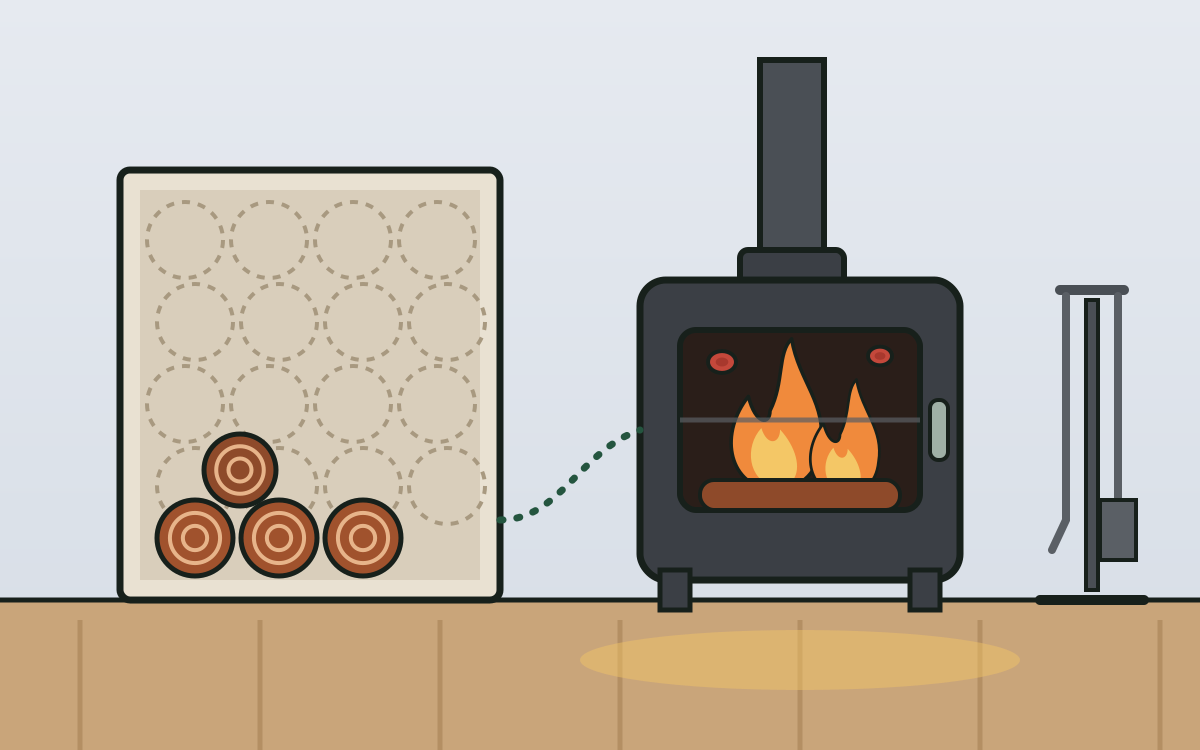
Ferritin is a protein your cells use to store iron for later. A little of it circulates in your blood. WHO recommends using the ferritin level to assess iron stores in otherwise healthy people.
How ferritin differs from haemoglobin:
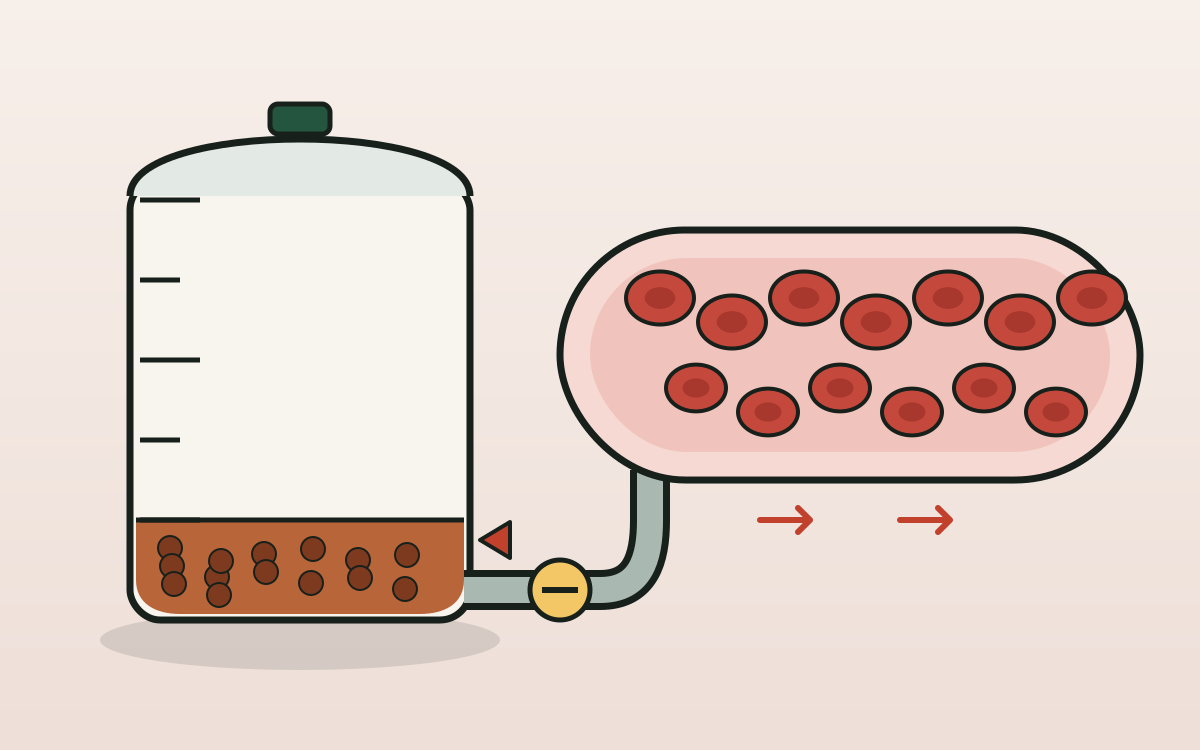
- haemoglobin shows how much iron is already at work in your red blood cells;
- ferritin shows how much iron is left in reserve.
Stores run down before haemoglobin falls. That’s why ferritin can be low while your full blood count looks normal.
Reports use µg/L or ng/mL. They’re the same thing: 20 µg/L equals 20 ng/mL, so there’s nothing to convert.
Tests done alongside ferritin
Ferritin alone doesn’t give the full picture. Your GP usually reads it with other results:
- full blood count: haemoglobin and red cell size. WHO defines anaemia as haemoglobin below 130 g/L in men and below 120 g/L in women who aren’t pregnant;
- C-reactive protein (CRP): to check for inflammation that pushes ferritin up;
- sometimes transferrin saturation, if the ferritin result is unclear.
Low ferritin with normal haemoglobin is iron deficiency without anaemia. When both are low, it’s iron deficiency anaemia.
Ferritin normal range: why labs print different numbers
The reference range on your report covers the results of most people tested by that lab. It depends on the method used and on who was included. So the lower limit on your report can sit below the cut-offs used in clinical guidelines.
Adult cut-offs from WHO (2020) and the British Society of Gastroenterology (BSG, 2021):
| Ferritin, µg/L | What it may mean | Source |
|---|---|---|
| below 15 | iron deficiency in adults and children aged 5+ | WHO |
| below 12 | iron deficiency in children under 5 | WHO |
| below 30 | low iron stores | BSG |
| below 45 | a cut-off the BSG suggests to miss fewer cases of deficiency | BSG |
| below 70 with inflammation | deficiency possible in adults despite a “normal” result | WHO |
| above 150 (women before the menopause) or 200 (men, women after the menopause) | possible risk of iron overload in healthy people | WHO |
| above 500 in people who are unwell | possible iron overload | WHO |
Treat the table as a guide, not a self-diagnosis tool. Your GP reads ferritin together with haemoglobin, symptoms and other tests. The scale below shows the same cut-offs: find where the number on your report falls.
Low ferritin: causes and iron deficiency symptoms
The NHS names these as the most common causes:
- heavy periods;
- pregnancy;
- bleeding from the stomach or gut: ulcers, inflammation, piles, ibuprofen or aspirin, and less often cancer;
- a diet low in iron.
Symptoms of iron deficiency include tiredness, breathlessness, a racing or noticeable heartbeat, pale skin and headaches. Less common are tinnitus, changes in taste, spoon-shaped nails, hair loss, cravings for non-food items and restless legs.
No single symptom confirms low iron. Tiredness also comes with poor sleep, thyroid problems or low mood, so rely on the test rather than on how you feel.
What your ferritin result may mean
Pick the range on your report. These are WHO and BSG pointers for adults, not a diagnosis
Your result, µg/L (= ng/mL)
What it may mean
Iron stores are almost empty
WHO says ferritin below 15 µg/L in adults and children aged 5 and over indicates iron deficiency. The British Society of Gastroenterology (BSG) calls it a sign of absent iron stores.
Next step: Show the result to your GP: the cause needs finding, and they'll decide how to replace iron and for how long
Don't start treatment doses on your own. In men and in women after the menopause, iron deficiency is a reason to check the gut.
What it may mean
Low iron stores
The BSG treats ferritin below 30 µg/L as a sign of low iron stores. Your haemoglobin may still be normal.
Next step: Talk to your GP about diet, heavy periods, pregnancy and whether you need a supplement
What it may mean
The number can mislead
Ferritin rises with inflammation and infection. WHO says that with inflammation, ferritin below 70 µg/L in adults may still indicate iron deficiency. That's why a C-reactive protein (CRP) test is often done alongside.
Next step: If you've just been ill or have a long-term inflammatory condition, ask about CRP and a repeat test
What it may mean
Your stores are probably fine
If ferritin is within the lab's range and there's no sign of inflammation, you don't need iron "just in case".
Next step: If you're tired all the time, look for other causes with your GP
What it may mean
Worth a conversation with your GP
WHO says ferritin above 150 µg/L in menstruating women, or above 200 µg/L in men and women after the menopause, may indicate a risk of iron overload. Inflammation or iron build-up, for example from haemochromatosis, can be behind it.
Don't take iron or vitamin C supplements until your doctor has found the cause.
Ferritin and inflammation: why a normal result can mislead
Ferritin is an acute-phase protein: it rises with infection and inflammation, whatever your iron stores. Someone who is iron deficient can get a normal ferritin if tested during a cold or with a long-term inflammatory condition.
In 2020 WHO suggested that, with inflammation, ferritin below 30 µg/L in children and below 70 µg/L in adults may indicate iron deficiency. To check for inflammation, labs measure C-reactive protein (CRP) alongside ferritin. WHO treats CRP above 5 mg/L as raised.
The BSG adds that ferritin above 150 µg/L is unlikely with true iron deficiency, even with inflammation.
Had the blood test a week after flu? Ask your GP whether to repeat it once you’ve fully recovered.
High ferritin
High ferritin is a reason to find the cause, not to start iron. Common explanations are:
- inflammation or infection;
- iron build-up, including haemochromatosis.
Haemochromatosis is an inherited condition in which the body stores too much iron over many years. The NHS says it mostly affects people of white northern European descent and is especially common in Ireland, Scotland and Wales. Symptoms usually start between 30 and 60: constant tiredness, weakness and joint pain. Untreated, excess iron can damage the liver, joints, pancreas and heart. People with haemochromatosis should avoid iron and vitamin C supplements.
When to see your GP
See your GP if:
- you have symptoms of anaemia, such as breathlessness, a racing heartbeat or marked tiredness;
- your ferritin is below the lab range or below 30 µg/L;
- you’re a man or a woman after the menopause with iron deficiency: the BSG recommends checking the stomach and bowel;
- you’re pregnant or planning a pregnancy;
- your ferritin is above 150–200 µg/L;
- you notice signs of bleeding, or black stools when you’re not taking iron.
Who shouldn’t take iron without medical advice
Don’t start iron supplements on your own if you have:
- high ferritin, or haemochromatosis in the family;
- liver disease;
- a pregnancy: your midwife or GP sets the dose (see our pregnancy vitamins guide);
- prescriptions for levothyroxine, levodopa or stomach-acid reducers: iron interacts with them.
Children should only take iron on a doctor’s advice. Accidental iron poisoning is dangerous for children under 6.
After the test: supplements only on medical advice
If your GP confirms deficiency, they’ll choose the form, dose and duration. The BSG guideline suggests starting with one tablet a day (50–100 mg of elemental iron), or one every other day if it isn’t tolerated. Treatment continues for about 3 months after haemoglobin returns to normal. Your GP may repeat a blood test within a few weeks to check it’s working.
We compare the forms, elemental iron per tablet and how to take them in our guide to iron tablets and the best iron supplement. Other common tests are collected in tests and deficiencies, and the vitamin D test guide explains 25(OH)D results.
How to choose iron on iHerb if your GP advises it
- Make sure you have clear advice: the form, the dose of elemental iron and the duration.
- Check the “Iron (as …)” line on the label: it gives elemental iron.
- If you were prescribed ferrous sulphate and it disagrees with you, ask about switching to bisglycinate.
- Don’t double up: check your multivitamin and any supplements for women you already take.
- Have follow-up blood tests when your GP asks.
- Store the bottle where children can’t reach it.
Bottom line: what to choose
Your GP has confirmed deficiency
The form and dose you were advised
Usually ferrous sulphate, fumarate or bisglycinate
Iron on iHerbPrescribed sulphate disagrees with you
Ferrous bisglycinate
Agree the switch with your GP or pharmacist
Bisglycinate on iHerbLow-normal ferritin on a vegetarian diet
A multivitamin with iron
If your GP agrees; don't double up with separate iron
Multivitamins with ironButtons lead to selections of the right form on iHerb. These are affiliate links; your price doesn't change.
FAQ
What does a ferritin test measure?
Ferritin is the protein your cells use to store iron. A small amount circulates in the blood, and its level reflects your iron stores. Low ferritin means your stores are depleted, even if your haemoglobin is still normal.
What is a normal ferritin level for a woman?
There’s no single number: each lab has its own range. WHO treats ferritin below 15 µg/L in adults as iron deficiency, and the BSG calls below 30 µg/L low stores. Above 150 µg/L in women who have periods is a reason to check for iron overload.
What does low ferritin with normal haemoglobin mean?
Your iron stores are used up, but you’re not anaemic yet. It’s worth finding the cause with your GP: heavy periods, diet, pregnancy or blood loss. Your GP decides whether you need a supplement.
Why might ferritin be high?
Ferritin rises with inflammation and infection, so a test after an illness can read high. High ferritin is also seen with iron build-up, for example in haemochromatosis. Your GP will look for the cause.
What are the symptoms of iron deficiency?
The NHS lists tiredness, breathlessness, a racing or noticeable heartbeat, pale skin and headaches. Less common are spoon-shaped nails, hair loss, cravings for non-food items and restless legs. None of these is specific, so you need a blood test.
Sources
- WHO. Guideline on use of ferritin concentrations to assess iron status in individuals and populations, 2020
- WHO eLENA. Use of ferritin concentrations to assess iron status
- Snook J et al. British Society of Gastroenterology guidelines for the management of iron deficiency anaemia in adults. Gut, 2021
- NHS. Iron deficiency anaemia
- NHS. Haemochromatosis
- NIH ODS. Iron – Fact Sheet for Health Professionals
Ferritin at a glance
For adults, based on WHO and BSG guidance
- What it shows
- your body's iron stores
- Iron deficiency
- below 15 µg/L (WHO)
- Low stores
- below 30 µg/L (BSG)
- With inflammation
- deficiency possible up to 70 µg/L (WHO)
- Units
- µg/L = ng/mL
- High ferritin
- above 150 µg/L in women, 200 µg/L in men: see your GP
These cut-offs are a starting point for a conversation with your GP. A diagnosis uses several tests and an assessment.
Shop iron on iHerbOur iron supplements guide compares the forms
Contents
- What ferritin is
- Tests done alongside ferritin
- Ferritin normal range: why labs print different numbers
- Low ferritin: causes and iron deficiency symptoms
- Ferritin and inflammation: why a normal result can mislead
- High ferritin
- When to see your GP
- Who shouldn’t take iron without medical advice
- After the test: supplements only on medical advice
- How to choose iron on iHerb if your GP advises it