Magnesium and vitamin B6: the benefits, how to take it and how much B6 is too much
This article contains affiliate links to iHerb. If you buy through them, we earn a commission at no extra cost to you. It doesn't affect which forms we recommend. Learn more
Magnesium and vitamin B6 are one of the most common supplement pairings. But there's little evidence that B6 makes magnesium work better, and treatment doses of some magnesium-B6 medicines contain 2.5–3.3 times Europe's safe limit for B6. This page covers who the combination suits, how to take it and for how long.
What magnesium B6 is and why people take it
Magnesium B6 combines a magnesium salt (usually lactate or citrate) with vitamin B6 (pyridoxine). In some countries it’s sold in pharmacies as a licensed medicine; on iHerb and in UK shops it’s a food supplement. Doses differ a lot.
Pharmacy versions are meant to correct low magnesium: the instructions for one of them say to stop once blood magnesium returns to normal. True magnesium deficiency is uncommon in healthy people who eat well, because the kidneys hold on to magnesium when intake is low. Our guide to magnesium deficiency symptoms explains who is at risk.
Most people buy magnesium B6 without a test, hoping for one of these benefits:
- less stress and irritability;
- better sleep;
- fewer muscle cramps and twitches;
- milder premenstrual symptoms.
None of these has strong evidence behind the combination. The table below shows what the trials actually found.
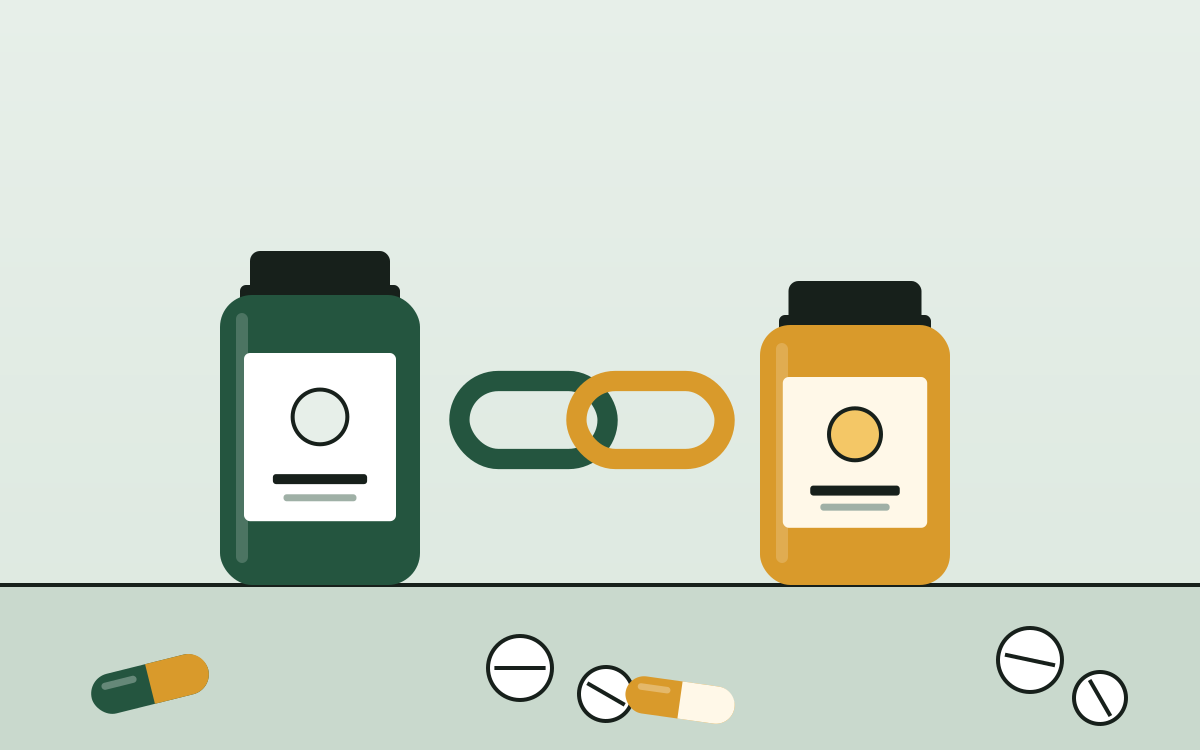
Why is vitamin B6 added to magnesium?
In theory, B6 helps magnesium get into cells and stay in the body. Clinical evidence for this is thin.
Best known is a 2018 comparison trial published in PLoS One. 264 adults with stress and low blood magnesium took either 300 mg of magnesium plus 30 mg of B6, or 300 mg of magnesium alone, for 8 weeks. Stress scores on the DASS-42 scale fell in both groups (by 45% and 42%), with no significant difference between them. Only in people with severe stress did the B6 combination do about 24% better, and that was a subgroup finding. There was no placebo group, so we can’t tell how much of the effect came from magnesium itself.
| Goal | What the evidence says | What to do |
|---|---|---|
| Stress | In one trial, adding B6 was no better than magnesium alone overall | Sleep, workload and talking therapy come first |
| Sleep | Weak data for magnesium; almost none for the pair | See our guide to sleep supplements |
| PMS | B6 alone has small, flawed trials | Talk to your GP |
| Low magnesium | The main reason pharmacy products exist | Magnesium does the work; B6 is optional |
How much B6 is in a tablet, and why it matters
With magnesium B6, the real issue is the pyridoxine dose, not the magnesium. The NHS advises taking no more than 10 mg of B6 a day from supplements unless a doctor tells you to. In 2023 EFSA lowered its safe upper limit for adults, including pregnant and breastfeeding women, to 12 mg a day from all sources, food included.
| Pharmacy product type | Magnesium per tablet | B6 per tablet | Adult dose in the instructions | B6 per day |
|---|---|---|---|---|
| Standard tablets | 48 mg (lactate) | 5 mg | 6–8 tablets | 30–40 mg |
| “Forte” tablets | 100 mg (citrate) | 10 mg | 3–4 tablets | 30–40 mg |
| EFSA limit | 250 mg from supplements | – | – | 12 mg including food |
Say you bought a pack of “forte” tablets at a pharmacy abroad and followed the instructions to the letter. That’s 30–40 mg of B6 a day. So the treatment dose gives 2.5–3.3 times Europe’s B6 limit, plus about 290–400 mg of magnesium against EFSA’s 250 mg for supplements. That’s acceptable for a short course under medical supervision. It isn’t a sensible “just in case” routine for months.
Too much B6 over a long time can cause peripheral neuropathy, which is damage to the nerves in the hands and feet. Typical signs:
- numbness and tingling in the feet and hands;
- burning or “pins and needles” in the legs;
- unsteadiness when walking;
- reduced feeling in the skin.
According to the NHS, 200 mg a day or more for a long time can cause loss of feeling in the arms and legs, which may be permanent. It adds that the effects of 10–200 mg are unclear. If you notice early signs, stop taking it and see your GP. Our B vitamins guide shows how B6 adds up across supplements.
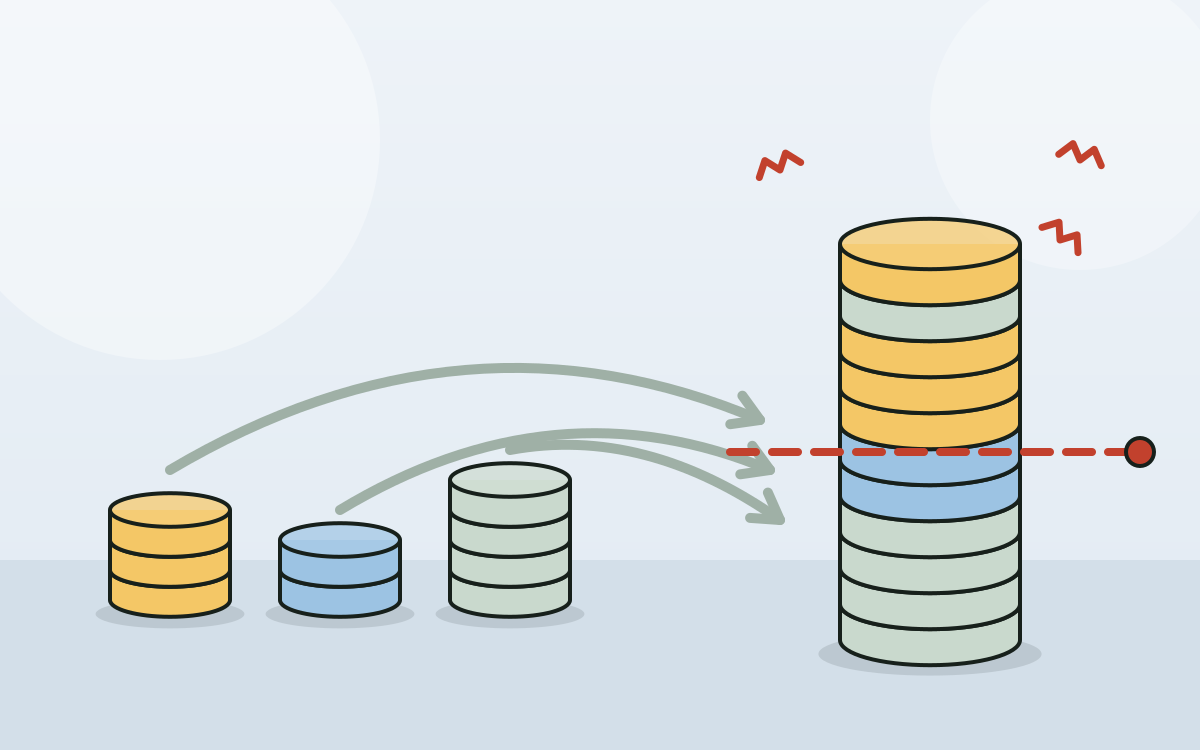
Work out how much B6 your magnesium tablets give you:
How much B6 your magnesium tablets give you
Find the B6 per tablet on the pack and enter how many tablets you take a day
30 mg B6 a day
B6 from your magnesium tablets
NHS: no more than 10 mg a day from supplements. EFSA limit: 12 mg a day including food
Above UK and EU advice: fine for a short supervised course, not for months
Magnesium without B6 on iHerbThe default is 3 "forte" tablets with 10 mg of B6 each, the lowest dose in one product's instructions. Add any B6 from B complexes and multivitamins.
For B complexes and multivitamins, use the separate B6 toxicity checker.
How to take magnesium B6
- Take the tablets with food to lower the chance of nausea and loose stools.
- Split the daily dose into 2–3, as pharmacy instructions do. Smaller single doses of magnesium are gentler on the gut.
- Keep iron, calcium and phosphates apart: according to the instructions, they reduce magnesium absorption.
- Add up B6 from magnesium tablets, B complexes and multivitamins.
- Stay within the magnesium limit. EFSA considers up to 250 mg a day from supplements safe; the NHS says 400 mg or less is unlikely to cause harm.
If you’re not on a pharmacy course and just want extra magnesium, 100–200 mg a day is enough for most people. Magnesium from food doesn’t count towards the supplement limit.
How long can you take magnesium B6?
There’s no single rule, but the instructions and safety limits point the same way:
- Treatment dose (30–40 mg of B6 a day): about a month. Instructions for the “forte” tablets say treatment usually lasts 1 month; the standard ones say to stop once blood magnesium is normal.
- After the course, decide with your GP whether you still need magnesium. If nothing changed after a month, repeating the same routine makes little sense.
- For months of use, choose a product with no more than 10 mg of B6 per daily serving, or one without B6. Most people get enough B6 from food: the NHS puts adult needs at 1.4 mg a day for men and 1.2 mg for women.
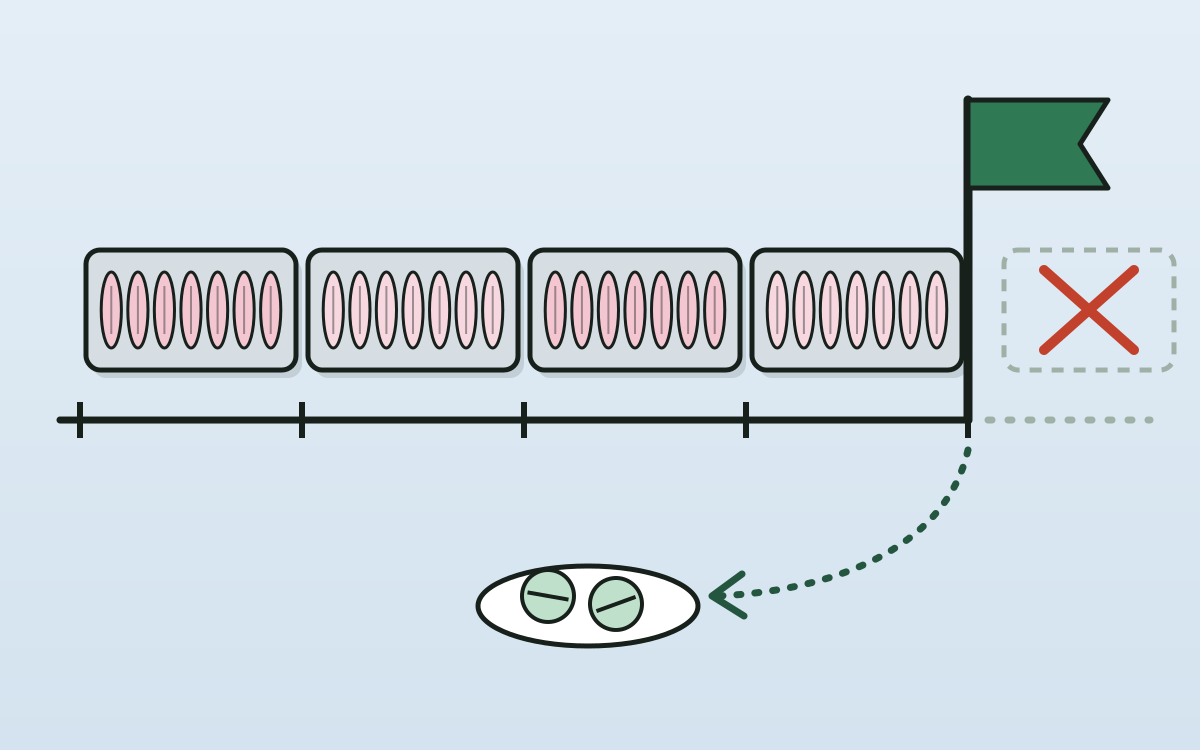
If you want magnesium long-term, switch to magnesium glycinate or magnesium citrate without B6. For all forms side by side, see types of magnesium compared.
Magnesium B6 “forte”: what’s different
“Forte” tablets contain twice the active ingredients: 100 mg of magnesium as citrate and 10 mg of B6. A standard tablet has 48 mg of magnesium as lactate and 5 mg of B6. You take fewer tablets, but the daily doses in the instructions are almost the same. Forte isn’t any safer.
Interactions and who should avoid it
- Levodopa (for Parkinson’s disease). B6 at 5 mg or more weakens it. The instructions allow the combination only when levodopa comes with a decarboxylase inhibitor (as in co-careldopa).
- Tetracycline antibiotics. Take magnesium B6 at least 3 hours after the antibiotic.
- Quinolone antibiotics (ciprofloxacin, levofloxacin). Take the antibiotic at least 2 hours before or 6 hours after magnesium.
- Bisphosphonates for osteoporosis. Separate by at least 2 hours.
- Anti-seizure medicines (phenytoin, phenobarbital). High-dose B6 may lower their blood levels, so ask your doctor.
- Other B6 supplements. Check B complexes, multivitamins and “nerve” or “PMS” formulas.
Our vitamin compatibility chart shows which other supplements shouldn’t be taken together.
Who needs medical advice first:
- Severe kidney disease. Magnesium can build up.
- Pregnancy. Only on a doctor’s or midwife’s advice.
- Breastfeeding. Magnesium passes into breast milk.
- Children. Doses depend on age and weight; follow a paediatrician.
- Lactose intolerance. Some tablets contain lactose.
Run through this list before you buy; it takes a minute:
Is magnesium B6 OK for you without a doctor?
Tick each line that's true for you. If any line stays unticked, ask your GP or pharmacist first
0 / 8 ticked
All ticked. A treatment dose is meant for about a month. For longer use, pick a product with no more than 10 mg of B6 per daily serving, as the NHS advises, or magnesium without B6.
Magnesium B6 on iHerbSigns of too much magnesium include nausea, severe diarrhoea, weakness and an irregular heartbeat. Stop taking it and get medical advice.
How to choose magnesium B6 on iHerb
- Decide whether you need B6 at all. If you just want more magnesium, choose a form without it.
- Find the Vitamin B6 line in the Supplement Facts panel. For long-term use, keep it at 10 mg or less per daily serving.
- Check elemental magnesium per serving and how many tablets that serving is. Stay within 250 mg of magnesium from supplements.
- Check your other supplements: B6 often hides in multivitamins and B complexes.
- Compare the price per daily serving in £ or €, not per bottle, and plan how long you’ll take it.
Our Supplement Facts guide explains how to tell compound weight from elemental magnesium.
Bottom line: what to choose
Taking magnesium for months
Magnesium glycinate without B6
100–200 mg magnesium; B6 from food
Glycinate on iHerbProne to constipation
Magnesium citrate without B6
Mildly laxative; split into 2 doses
Citrate on iHerbButtons lead to selections of the right form on iHerb. These are affiliate links; your price doesn't change.
FAQ
What are the benefits of magnesium B6?
Magnesium-B6 medicines are designed to correct low magnesium. People also take them for stress, tiredness, sleep and PMS, but the evidence there is weak. In the main comparison trial, adding B6 didn’t make magnesium work better overall.
Is it safe to take magnesium B6 every day?
For a short course, yes, if your kidneys are healthy. For long-term daily use, choose a product with no more than 10 mg of B6 per day, as the NHS advises, and count B6 from your other supplements. Taking magnesium without B6 is simpler.
How long can you take magnesium B6 for?
There’s no single answer. Instructions for one pharmacy product say treatment usually lasts a month; another says to stop once blood magnesium is normal. If you want to take magnesium for months, choose a low-B6 or B6-free product.
What should you not take with magnesium B6?
Levodopa without a decarboxylase inhibitor: B6 at 5 mg or more weakens it. Magnesium blocks absorption of tetracycline and quinolone antibiotics and bisphosphonates, so separate the doses. Don’t stack it with B complexes or multivitamins without adding up the B6.
Should I take magnesium and B6 together or separately?
There’s no good evidence that taking them together helps. Most people who eat a varied diet get enough B6 from food (adults need about 1.2–1.4 mg a day). Taking magnesium on its own lets you control the B6 dose.
Can I take magnesium B6 in pregnancy?
Only on a doctor’s or midwife’s advice. B6 is sometimes prescribed for pregnancy sickness, but that dose should come from your doctor, not from a supplement label. Magnesium passes into breast milk, and one product’s instructions advise against breastfeeding while taking it, so check with your GP.
Sources
- NHS. Vitamin B
- EFSA NDA Panel. Scientific opinion on the tolerable upper intake level for vitamin B6. EFSA Journal, 2023
- NIH ODS. Vitamin B6 – Fact Sheet for Health Professionals
- NHS. Vitamins and minerals: others (magnesium)
- Pouteau E. et al. Superiority of magnesium and vitamin B6 over magnesium alone on severe stress in healthy adults with low magnesemia: a randomized, single-blind clinical trial. PLoS One, 2018
- Vidal (Russian drug reference). Magnesium + pyridoxine 100 mg / 10 mg tablets: prescribing information
Magnesium B6 at a glance
For adults, based on NHS, EFSA and NIH ODS
- B6 per tablet
- usually 5 or 10 mg
- NHS advice on B6
- no more than 10 mg a day from supplements
- EFSA B6 limit
- 12 mg a day, food included (2023)
- Magnesium from supplements
- 250 mg (EFSA); 400 mg or less unlikely to harm (NHS)
- Pharmacy treatment dose
- 30–40 mg B6 a day, for about a month
- Avoid
- severe kidney disease; levodopa without a decarboxylase inhibitor
The B6 limits count all your B6: food, B complexes, multivitamins and magnesium tablets.
Shop magnesium B6 on iHerbCheck the Vitamin B6 line: for long-term use, 10 mg or less per daily serving