How much zinc per day is safe? A zinc calculator that counts your food too
This article contains affiliate links to iHerb. If you buy through them, we earn a commission at no extra cost to you. It doesn't affect which forms we recommend. Learn more
Adults in the UK need 7–9.5 mg of zinc a day, and most of it already comes from food. This calculator adds your diet to your supplement and shows whether you stay under EFSA's 25 mg limit.
What the zinc calculator works out
The calculator adds food zinc to supplement zinc. It then compares the total with two limits: EFSA’s 25 mg a day and the US limit of 40 mg. Both limits cover all the zinc you get in a day, from food as well as from the capsule.
Many bottles on iHerb contain 30 or 50 mg per capsule. One of those plus a normal diet already takes you over the European limit. Add a multivitamin with zinc and the total creeps up without you noticing: two pots in the cupboard, and the second one is easy to forget.
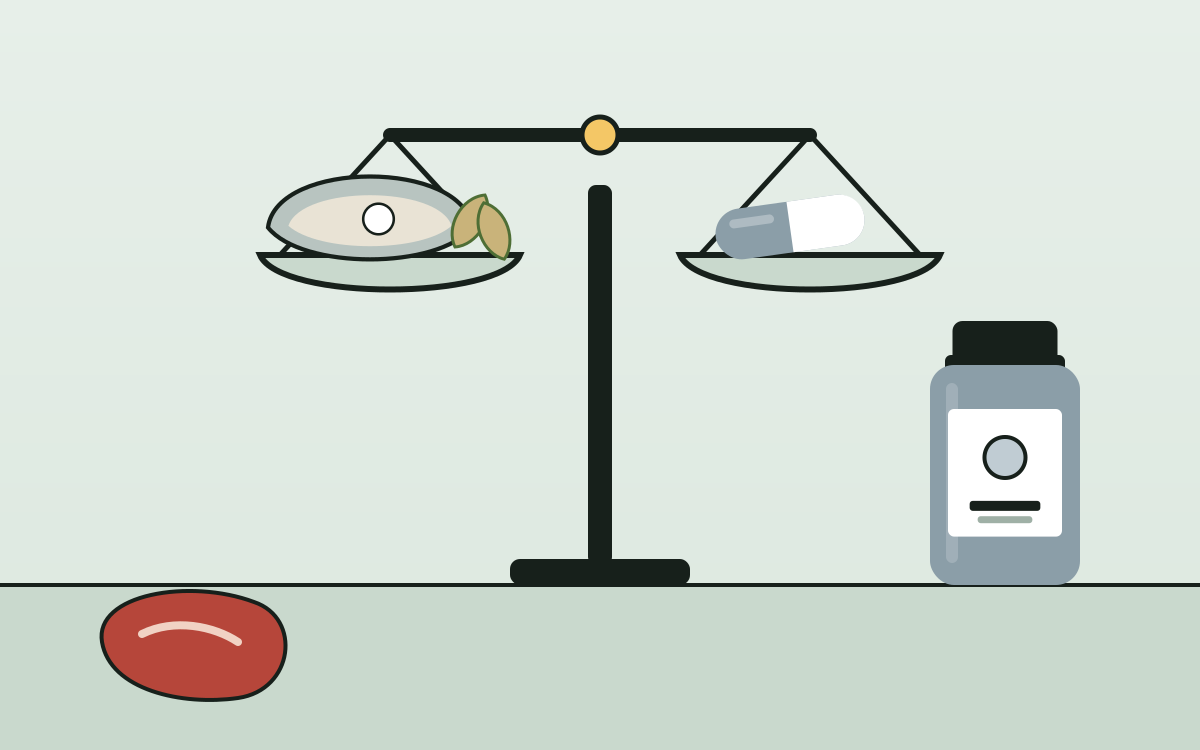
How much zinc per day you need
| Group | NHS (UK) | NIH (US) |
|---|---|---|
| Women | 7 mg | 8 mg |
| Men | 9.5 mg | 11 mg |
| Pregnancy | – | 11 mg |
| Breastfeeding | – | 12 mg |
The NHS says most people can get the zinc they need from a varied diet. US data put the average intake from food at about 9 mg for women and 13 mg for men. Oysters, red meat, poultry and shellfish are the richest sources, followed by beans, nuts and wholegrains. Plant foods contain phytates (compounds that bind minerals in the gut), so their zinc is absorbed less well.
Food covers most of your need, so a supplement has little room left under the limit. See how much:
How to use the calculator
- Pick your diet. “Typical, with meat” counts about 10 mg of zinc from food, “lots of meat and seafood” about 12 mg and “vegetarian” about 8 mg.
- Find the Zinc line in the Supplement Facts panel, for example “Zinc (as zinc picolinate) 15 mg”. That’s elemental zinc, the figure to enter.
- Check the serving size. If a serving is 2 capsules and you take one, halve the number.
- Add any zinc from a multivitamin, ZMA or lozenges you take every day.
- Move the slider to your total. It moves in 5 mg steps, so round up: 12 mg becomes 15.
How much zinc you get with a supplement
EFSA's 25 mg limit counts all zinc – from food and supplements. Pick your diet and capsule dose
25 mg zinc a day
Approximate total from food and supplement
Food ~10 mg + supplement 15 mg. EFSA limit 25 mg, US limit 40 mg
Within the European safe level
Zinc 10–15 mg on iHerbFood zinc is an approximate adult average. Zinc from plant foods is absorbed less well.
How to read the result
The big number is your daily zinc from food and supplements combined. The bar fills up to EFSA’s 25 mg limit.
| Daily total | What the calculator says | What to do |
|---|---|---|
| Up to 25 mg | Within the European safe level | Fine for long-term use |
| 26–40 mg | Above the EFSA limit | For daily use, switch to a 10–15 mg product |
| Over 40 mg | Above both limits | Don’t take it for months without medical advice |
If you’re over 25 mg, changing the bottle is easier than taking it every other day. A 50 mg capsule every other day still averages 25 mg a day from the supplement alone.
How much zinc is too much: what happens
- A large single dose can cause nausea, vomiting, loss of appetite, stomach pain, headache and dizziness.
- At 50 mg or more a day for weeks, less copper is absorbed, immune function weakens and HDL (“good”) cholesterol falls.
- Copper deficiency from long-term excess zinc can lead to anaemia and weaker bones, according to the NHS. Nerve damage has also been reported.
- Zinc-containing denture creams used in very large amounts for years have caused neurological problems.
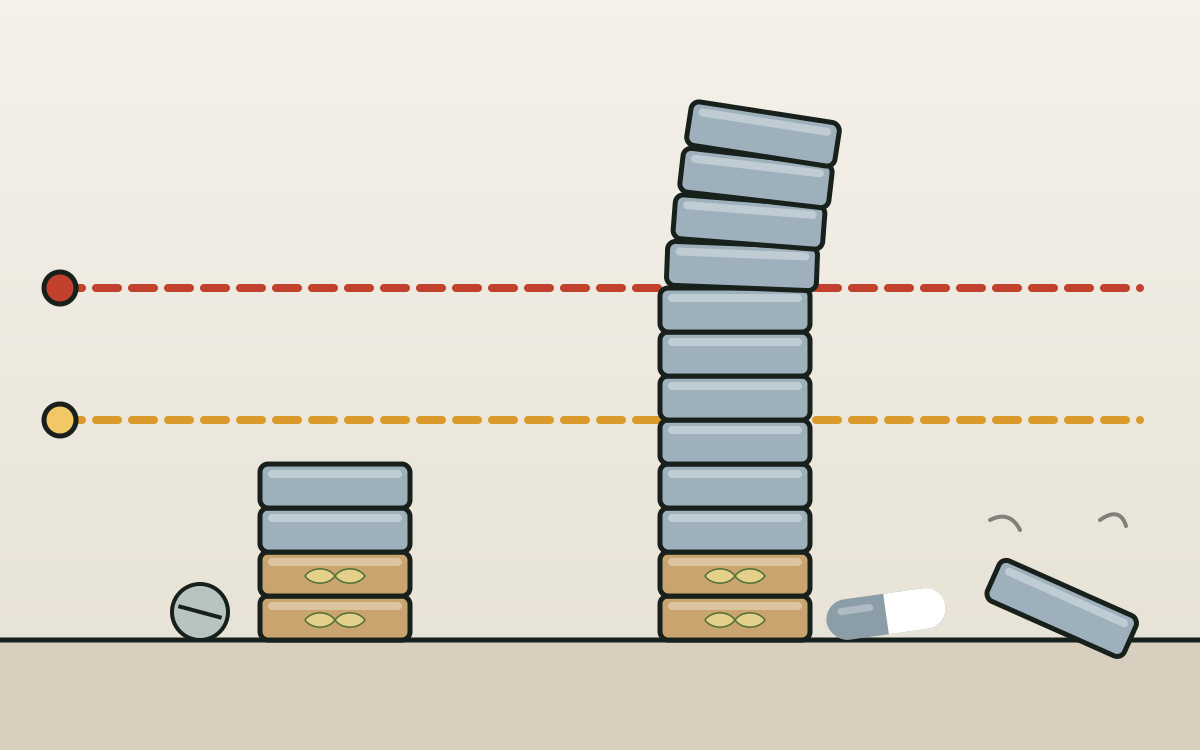
Limits of the calculator and when to see a doctor
The result is an estimate, not an exact figure. Keep in mind that:
- food zinc is an adult average, and your diet may give you more or less;
- cold lozenges are taken for a few days at more than 75 mg a day, and the calculator isn’t built for a short course like that;
- if a blood test shows a deficiency, your GP decides the dose and how long to take it.
Zinc reduces the absorption of tetracycline and quinolone antibiotics. If your GP prescribes doxycycline and there’s zinc in your kitchen cupboard, space them out: the antibiotic 2 hours before zinc or 4–6 hours after. Keep zinc and penicillamine at least an hour apart. Thiazide diuretics increase zinc loss in urine, and 25 mg or more of iron taken at the same time lowers zinc absorption. In pregnancy, check the zinc in your pregnancy vitamin before adding a separate bottle.
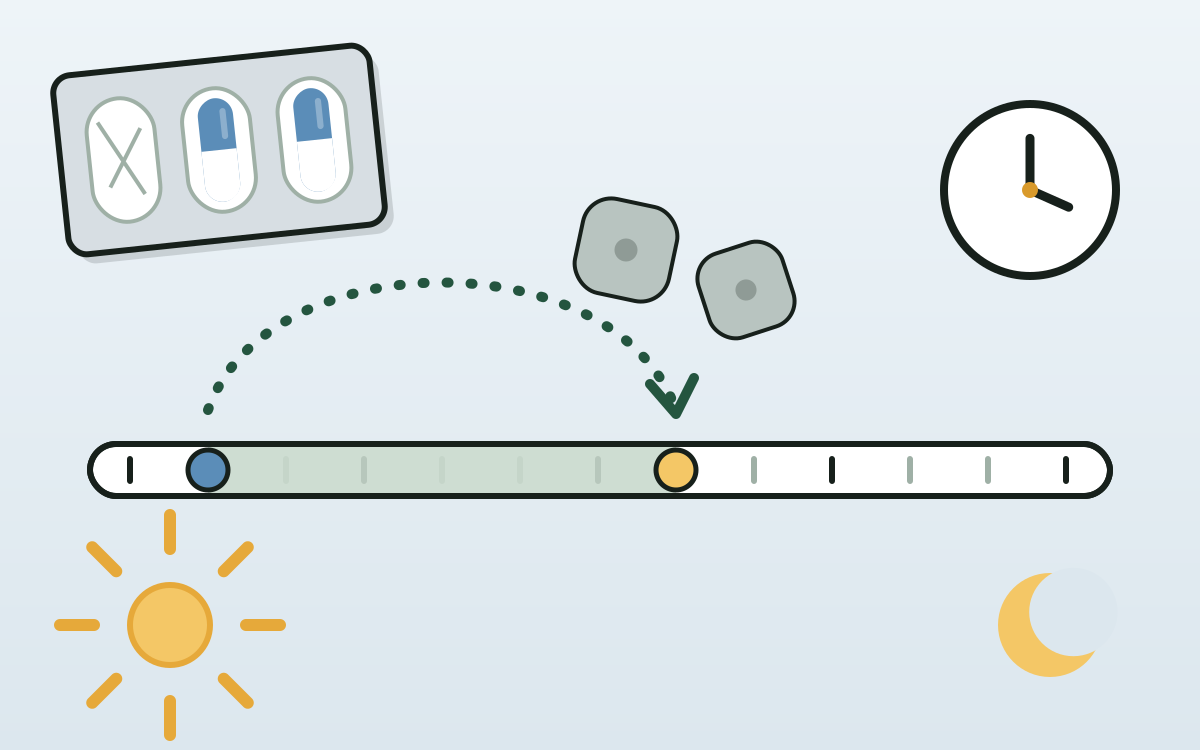
How to choose zinc on iHerb
- Use the calculator to see how much zinc you get now.
- Choose 10–15 mg of elemental zinc per capsule.
- Pick a form: bisglycinate or picolinate if your stomach is sensitive, citrate or gluconate if price matters. See our guide to the best form of zinc and dose.
- Compare bottles by cost per day, not price per pot.
- If you take several supplements, check the vitamin compatibility chart and the B6 in your B complex.
Bottom line: what to choose
A typical diet with meat
Zinc 10–15 mg a day
Picolinate or bisglycinate, with food
Zinc 15 mg on iHerbButtons lead to selections of the right form on iHerb. These are affiliate links; your price doesn't change.
FAQ
How much zinc per day do adults need?
The NHS says about 9.5 mg a day for men and 7 mg for women, and that most people can get this from a varied diet. US figures are slightly higher: 11 mg for men and 8 mg for women, 11 mg in pregnancy and 12 mg when breastfeeding.
How much zinc is too much?
EFSA sets the adult upper limit at 25 mg a day from all sources, and the NHS advises no more than 25 mg a day from supplements unless a doctor recommends it. The US limit is 40 mg. Taking 50 mg or more a day for weeks reduces copper absorption.
What are the symptoms of too much zinc?
A large single dose can cause nausea, vomiting, loss of appetite, stomach pain, headache and dizziness. Long-term high doses lower copper levels, which can lead to anaemia and weaker bones.
Is 50 mg of zinc every other day OK?
Not as a long-term habit. It averages 25 mg a day from the supplement alone, so with food you go over EFSA’s limit. Switching to a 10–15 mg product is simpler.
Should I count the zinc in my multivitamin?
Yes. Most multivitamins contain zinc, as do ZMA products and cold lozenges. Add the Zinc line from every bottle and enter the total: the limit applies to all the zinc you get in a day.
Sources
Zinc dose at a glance
For adults, based on the NHS, EFSA and NIH ODS
- Daily need (NHS)
- 7 mg for women, 9.5 mg for men
- From food, typically
- about 9–13 mg
- Upper limit
- 25 mg (EFSA, all sources) / 40 mg (US)
- NHS supplement advice
- no more than 25 mg a day
- Sensible supplement
- 10–15 mg elemental zinc
- Risk of excess
- copper deficiency, anaemia
EFSA's limit counts all zinc: food, multivitamin and any separate supplement.
Shop zinc on iHerbFood already gives you 8–12 mg, so 10–15 mg is plenty