When can you get vitamin D from the sun? A month-by-month calendar for the UK and Europe
This article contains affiliate links to iHerb. If you buy through them, we earn a commission at no extra cost to you. It doesn't affect which forms we recommend. Learn more
Your skin makes vitamin D from UVB light, and UVB only reaches the ground in useful amounts when the sun is high enough. This calendar shows, month by month, when the midday sun in your city is too low and a supplement makes sense.
What the vitamin D sunlight calendar shows
The calendar works out how high the sun climbs at midday in the middle of each month and colours the months in three bands:
- enough sun – the sun is above 40°;
- little sun – 30–40°;
- almost no vitamin D made – the sun is below 30°.
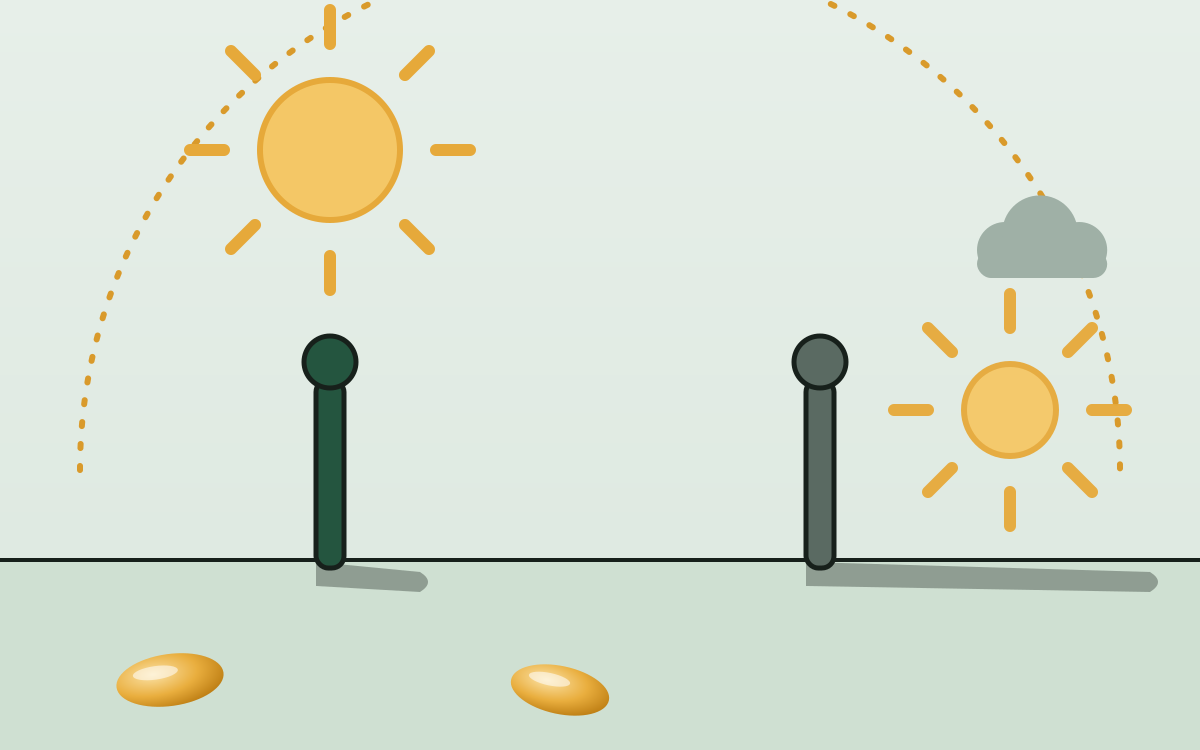
Your skin makes vitamin D from ultraviolet B (UVB) light. When the sun is low, its light takes a long slanting path through the atmosphere and very little UVB gets through. You can walk for an hour on a clear January day and make almost no vitamin D.
How to use the calendar
- Pick your city from the tabs. If yours isn’t listed, choose the nearest one at a similar latitude.
- Look at the colour of each month and the sun angle shown under it.
- Read the summary: how many months have too little sun.
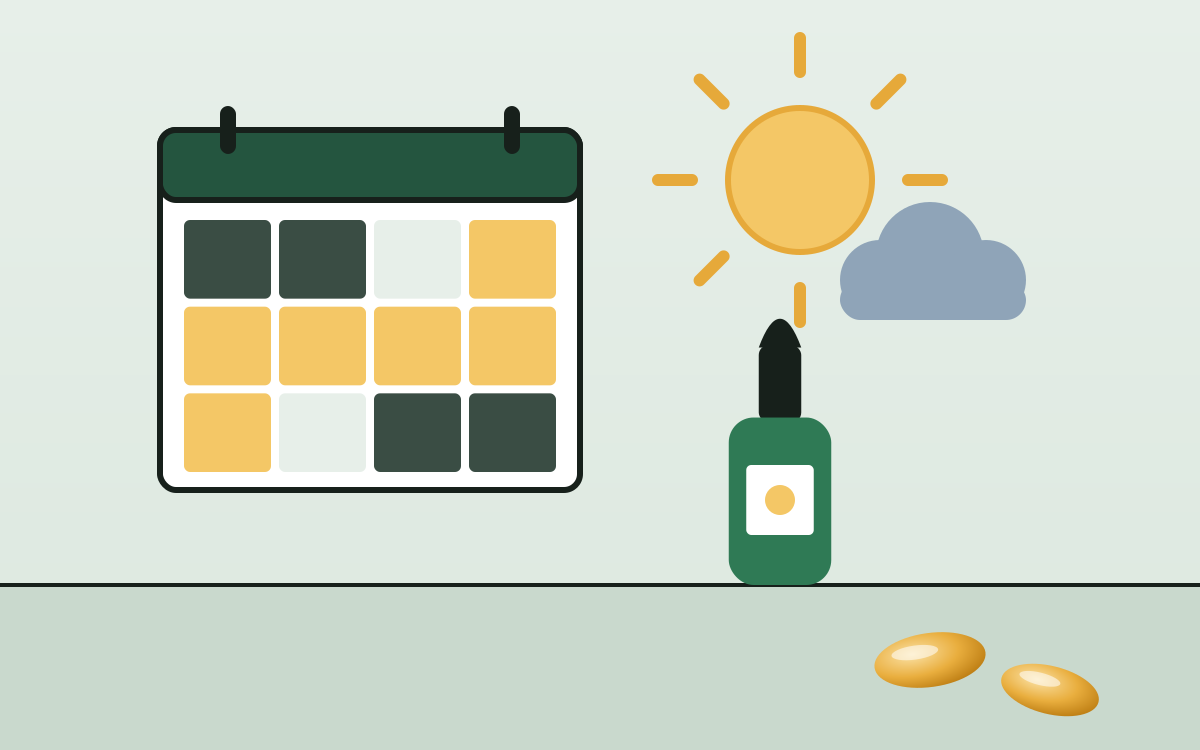
- Use it to decide when to start your vitamin D and when you can stop.
When the sun is too low for vitamin D
Pick a city: the midday sun angle shows the months when skin makes little or no vitamin D
- Jan18°almost no vitamin D made
- Feb26°almost no vitamin D made
- Mar36°little sun
- Apr48°enough sun
- May57°enough sun
- Jun62°enough sun
- Jul60°enough sun
- Aug52°enough sun
- Sep41°enough sun
- Oct29°almost no vitamin D made
- Nov20°almost no vitamin D made
- Dec16°almost no vitamin D made
Months with too little sun: 6. The NHS advises 10 mcg of vitamin D a day in autumn and winter.
- Jan16°almost no vitamin D made
- Feb24°almost no vitamin D made
- Mar34°little sun
- Apr46°enough sun
- May56°enough sun
- Jun60°enough sun
- Jul58°enough sun
- Aug50°enough sun
- Sep39°little sun
- Oct27°almost no vitamin D made
- Nov18°almost no vitamin D made
- Dec14°almost no vitamin D made
Months with too little sun: 7. The NHS advises 10 mcg of vitamin D a day in autumn and winter.
- Jan13°almost no vitamin D made
- Feb21°almost no vitamin D made
- Mar32°little sun
- Apr43°enough sun
- May53°enough sun
- Jun57°enough sun
- Jul55°enough sun
- Aug48°enough sun
- Sep36°little sun
- Oct24°almost no vitamin D made
- Nov15°almost no vitamin D made
- Dec11°almost no vitamin D made
Months with too little sun: 7. The NHS advises 10 mcg of vitamin D a day in autumn and winter.
- Jan17°almost no vitamin D made
- Feb25°almost no vitamin D made
- Mar35°little sun
- Apr47°enough sun
- May56°enough sun
- Jun61°enough sun
- Jul59°enough sun
- Aug51°enough sun
- Sep40°enough sun
- Oct28°almost no vitamin D made
- Nov19°almost no vitamin D made
- Dec15°almost no vitamin D made
Months with too little sun: 6. The NHS advises 10 mcg of vitamin D a day in autumn and winter.
- Jan17°almost no vitamin D made
- Feb24°almost no vitamin D made
- Mar35°little sun
- Apr47°enough sun
- May56°enough sun
- Jun61°enough sun
- Jul59°enough sun
- Aug51°enough sun
- Sep40°enough sun
- Oct28°almost no vitamin D made
- Nov19°almost no vitamin D made
- Dec14°almost no vitamin D made
Months with too little sun: 6. The NHS advises 10 mcg of vitamin D a day in autumn and winter.
- Jan20°almost no vitamin D made
- Feb28°almost no vitamin D made
- Mar39°little sun
- Apr50°enough sun
- May60°enough sun
- Jun64°enough sun
- Jul62°enough sun
- Aug55°enough sun
- Sep43°enough sun
- Oct32°little sun
- Nov22°almost no vitamin D made
- Dec18°almost no vitamin D made
Months with too little sun: 6. The NHS advises 10 mcg of vitamin D a day in autumn and winter.
- Jan29°almost no vitamin D made
- Feb37°little sun
- Mar47°enough sun
- Apr59°enough sun
- May68°enough sun
- Jun73°enough sun
- Jul71°enough sun
- Aug63°enough sun
- Sep52°enough sun
- Oct40°enough sun
- Nov31°little sun
- Dec27°almost no vitamin D made
Months with too little sun: 4. The NHS advises 10 mcg of vitamin D a day in autumn and winter.
- Enough sun (above 40°)
- Little (30–40°)
- Almost none (below 30°)
This is an estimate based on the midday sun angle mid-month. Clouds, clothing, sunscreen, skin tone and age also affect how much vitamin D you make.
How to read the result
| City | Months with too little sun | Midday sun in December |
|---|---|---|
| London, Amsterdam, Berlin, Paris | 6: October to March | 14–18° |
| Dublin, Edinburgh | 7: September to March | 11–14° |
| Madrid | 4: November to February | 27° |
For London, the calendar lines up with NHS advice: from October to March the sun is too weak to make enough vitamin D. Further north, in Edinburgh or Dublin, September is already borderline. Cardiff is at about London’s latitude, while Manchester and Belfast sit between London and Edinburgh.
A quick check without the calendar: look at your shadow at midday. If it’s longer than you are tall, the sun is below 45° and there’s little UVB.
Why you may fall short even in summer
A high sun is only one condition. These also cut how much vitamin D you make:
- cloud and smog;
- clothing that covers most of your skin;
- sunscreen: SPF 8 or higher blocks much of the UVB that makes vitamin D;
- glass: no vitamin D is made through a window;
- age: older skin makes less;
- dark skin, which needs longer in the sun.
That’s why the NHS advises some groups to take vitamin D all year round. Find your situation:
Will summer sun be enough for you?
Pick what applies to you to see whether the calendar works for you or you need vitamin D all year
Your situation
What it means
The calendar works for you
Around midday in summer, with arms and face uncovered, your skin makes vitamin D. For the dark months on the calendar, take a supplement.
Guide: NHS: 10 mcg (400 IU) a day from October to March
What it means
Vitamin D all year
Sun through a window doesn't count: UVB doesn't pass through glass. The NHS advises people who are frail, housebound or in a care home to take vitamin D all year.
Guide: NHS: 10 mcg (400 IU) a day
What it means
Vitamin D all year
Clothing that covers most of your skin blocks the UVB even in summer. The NHS includes you in the all-year group.
Guide: NHS: 10 mcg (400 IU) a day
What it means
You need more sun for the same vitamin D
If you have dark skin, for example of African, African-Caribbean or South Asian background, the NHS advises vitamin D all year.
Guide: NHS: 10 mcg (400 IU) a day
What it means
Older skin makes less
The same sunshine gives older skin less vitamin D, so the summer months on the calendar may not cover your needs.
What it means
Sun yes, less vitamin D
SPF 8 or higher blocks much of the UVB that makes vitamin D. Keep using it anyway: UV raises the risk of skin cancer.
Never let your skin redden or burn.
Limits of the calendar and when to see a doctor
- It’s an estimate based on the midday sun angle. It doesn’t allow for cloud, altitude or how long you spend outdoors.
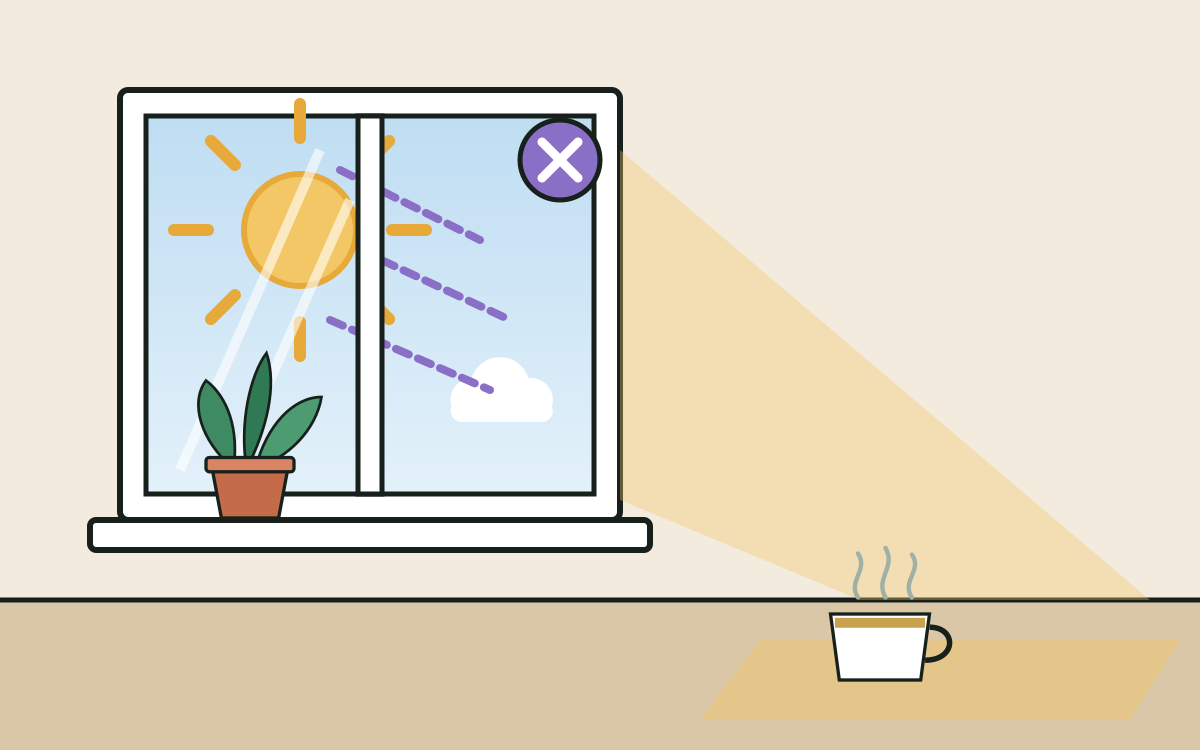
- It assumes you’re outside. A sunny desk by the office window doesn’t count: UVB doesn’t pass through glass.
- It doesn’t tell you your vitamin D level. Only a 25(OH)D blood test does.
- Don’t sunbathe for vitamin D: UV raises the risk of skin cancer. Never let your skin redden or burn.
- Don’t take more than 100 mcg (4,000 IU) a day unless your doctor advises it. If you have sarcoidosis, kidney stones or kidney disease, or take thiazide diuretics, discuss the dose with your GP.
- For children, the NHS sets lower maximums: 50 mcg a day for ages 1–10 and 25 mcg for babies. Follow the label and your health visitor or GP.
How to choose vitamin D3 on iHerb
- Check in the calendar how many months your city is short of sun.
- Choose a dose for those months: the NHS recommends 10 mcg (400 IU) a day. More detail is in our guide to how much vitamin D3 to take.
- If the label gives the dose in IU and you want mcg, use the IU to mcg converter: 1 mcg = 40 IU.
- Compare drops and softgels by cost per day.
- If you also take a multivitamin, add up the vitamin D in every product.
For other supplements worth thinking about when the clocks go back, see vitamins to take in winter.
Bottom line: what to choose
Buttons lead to selections of the right form on iHerb. These are affiliate links; your price doesn't change.
FAQ
When can you get vitamin D from the sun in the UK?
The NHS says most people can make all the vitamin D they need from sunlight from about late March or early April to the end of September. From October to March the sun is too low, so everyone is advised to consider 10 mcg (400 IU) a day.
Can you get vitamin D from the sun in winter?
Hardly at UK and northern European latitudes. In December the midday sun in London only climbs to about 16°, and in Edinburgh to about 11°. Even a long walk on a bright winter day gives very little vitamin D.
Can you get vitamin D through a window?
No. UVB doesn’t pass through glass, so sunlight through a window at home, at work or in the car doesn’t make vitamin D.
How long should I spend in the sun for vitamin D?
There’s no single figure. Some experts suggest 5–30 minutes around the middle of the day with arms and face uncovered, but it varies with skin tone, cloud and season. Never let your skin go red or burn: UV raises the risk of skin cancer.
Who should take vitamin D all year round?
The NHS advises a daily 10 mcg supplement all year for people who are rarely outdoors, such as those who are frail, housebound or in a care home, people who usually cover most of their skin outdoors, and people with dark skin, for example of African, African-Caribbean or South Asian background.
Sources
Vitamin D and sunlight at a glance
For adults, based on the NHS and NIH ODS
- What skin needs
- UVB light
- Enough sun (NHS)
- late March/April to end of September
- Autumn and winter
- 10 mcg (400 IU) a day for everyone
- Doesn't work
- through glass; less with cloud and sunscreen
- Make less
- older people and people with dark skin
- Upper limit
- 100 mcg (4,000 IU) a day
The calendar is an estimate based on the midday sun angle. Only a blood test shows your actual level.
Shop D3 on iHerbCheck the dose per drop or softgel