Solgar vitamins: who owns the brand, where it's made and how to choose
This article contains affiliate links to iHerb. If you buy through them, we earn a commission at no extra cost to you. It doesn't affect which forms we recommend. Learn more
Solgar has been making vitamins since 1947 and has belonged to Nestlé since 2021. This review covers who makes it, what's known about testing and how to read an omega-3 or zinc label before the bottle goes in your basket.
Who owns Solgar and where it’s made
Solgar has been making supplements since 1947 and started out in New York. It has changed hands several times:
- in the early 2000s it belonged to the drugs company Wyeth;
- in 2005 NBTY bought it for $115 million; NBTY later became The Bountiful Company;
- in 2021 Nestlé Health Science bought it, together with Nature’s Bounty, Puritan’s Pride and Osteo Bi-Flex;
- in September 2026 Nestlé agreed to sell Nature’s Bounty and its other mainstream vitamin brands to Yellow Wood Partners, but said it would keep Solgar.
The company says its products are made in its own US facilities. Its address is Leonia, New Jersey, where it reported upgrading its laboratory and plant in 2004. It has distribution centres in the US, the UK, Spain, South Africa and New Zealand, and sells in more than 55 countries.
What Solgar is known for
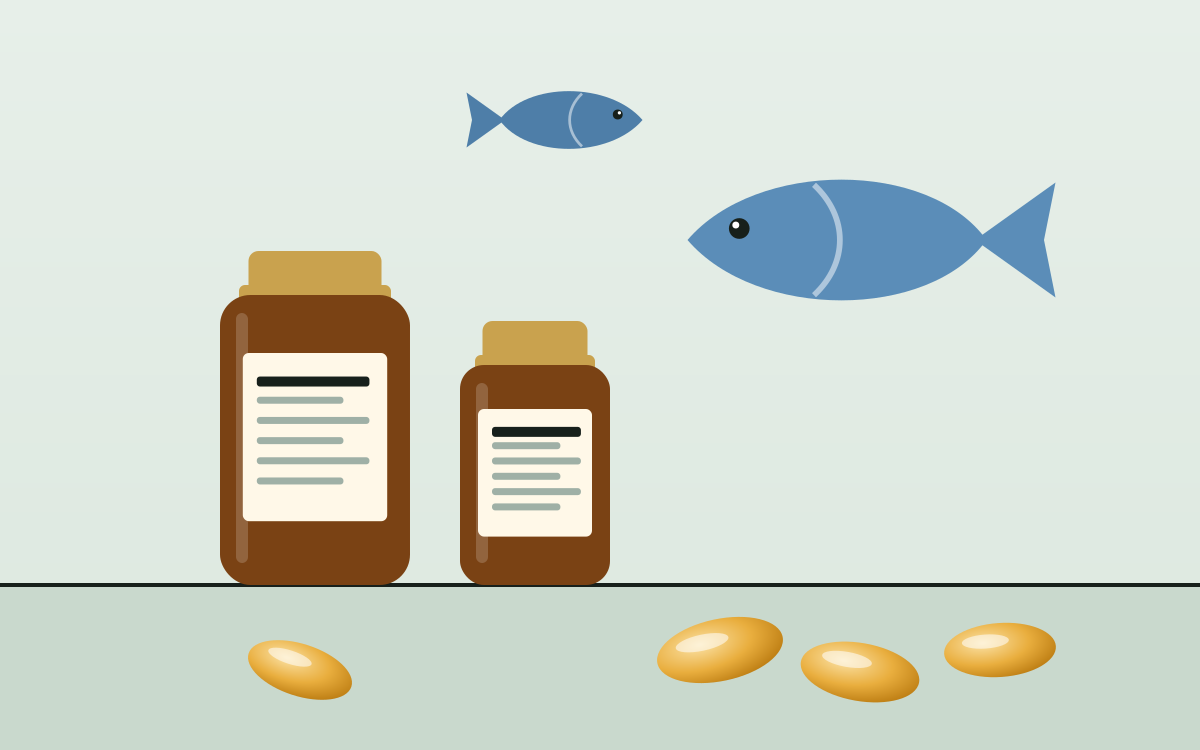
The signature look is a dark glass bottle with a gold-coloured lid. The company says the glass protects the contents from light and oxidation. Solgar describes many products as kosher, halal, vegan, gluten-free and dairy-free. These are the maker’s labels on individual products, not independent quality testing.
Solgar’s public company profiles don’t name independent programmes such as USP or NSF. So look for a seal on the specific bottle and check it in the organisation’s database.
Popular Solgar products and their forms
| Category | Product | Form and dose | What to check |
|---|---|---|---|
| Omega-3 | Omega-3 Triple Strength | fish oil concentrate, softgels | EPA+DHA per serving |
| Zinc | Zinc Picolinate | picolinate, 22 mg per tablet | 25 mg limit including food |
| Vitamin D | Vitamin D3 | 25 mcg (1,000 IU), softgels and tablets | sensible winter dose |
| Magnesium | Magnesium Glycinate, Magnesium Citrate | glycinate capsules, citrate tablets | elemental magnesium |
| B vitamins | B-Complex “50” | vegetarian capsules | the B6 dose |
| Iron | Gentle Iron | vegetarian capsules | only for confirmed deficiency |
Solgar omega-3: how to choose
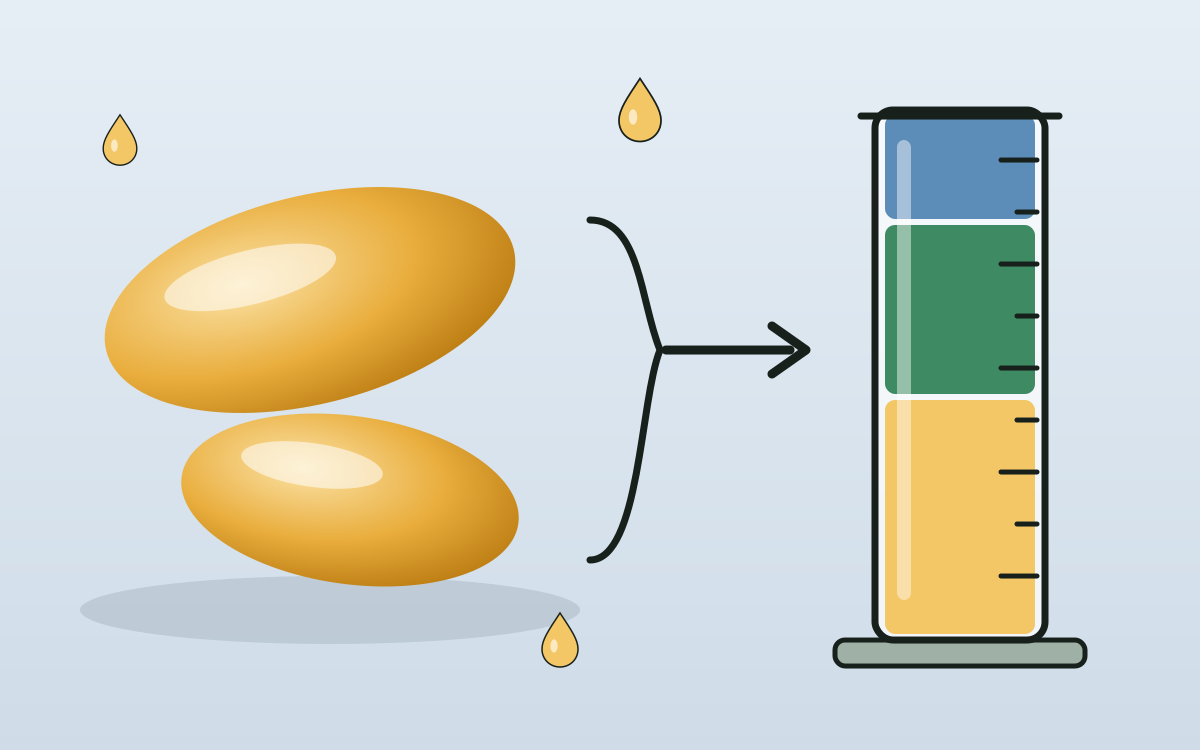
“Triple Strength” signals a concentrate, but the number on the front isn’t the omega-3 content. Open the Supplement Facts panel, add EPA and DHA, and divide by the softgels per serving. Most adults need 250–500 mg EPA+DHA a day. EPA plus DHA per serving is your dose, not the fish oil weight printed in large type. Our guide on how to choose fish oil explains more.
Solgar zinc: why not every day
Each Zinc Picolinate tablet contains 22 mg of zinc. Food adds roughly 8–12 mg for an adult. Together that’s 30–34 mg, above EFSA’s 25 mg daily limit for all zinc; the US limit is 40 mg. Months of high doses interfere with copper absorption.
For maintenance, take a tablet every other day. A short course on medical advice is a different matter. Our guide on how much zinc per day helps you work out your total.
What are you looking for from Solgar?
Pick a supplement to see what to check on the label and what dose makes sense
I need
What to check
Omega-3 Triple Strength and other fish oils
"Triple Strength" means a concentrate, but the number on the front isn't EPA+DHA. Add EPA and DHA from the Supplement Facts panel and divide by the softgels per serving.
Dose: 250–500 mg EPA+DHA a day is usually enough
What to check
Zinc Picolinate 22 mg
22 mg per tablet plus 8–12 mg of zinc from food takes you above EFSA's 25 mg daily limit. That's a lot for long-term daily use.
Dose: One tablet every other day, or a lower strength
Months of high-dose zinc reduce copper absorption.
What to check
Vitamin D3 25 mcg (1,000 IU)
Available as softgels and tablets. 1,000 IU is above the NHS 10 mcg (400 IU) advice but far below the 100 mcg (4,000 IU) upper limit.
Dose: NHS: 10 mcg a day in autumn and winter
What to check
Magnesium Glycinate or Magnesium Citrate
Glycinate is gentler on the gut; citrate is cheaper and mildly laxative. Check elemental magnesium per serving, not the weight of the compound.
Dose: 100–200 mg elemental magnesium a day
What to check
B-Complex "50" and "100"
The number usually means 50 or 100 mg of most B vitamins per serving, including B6. The European limit for B6 is 12 mg a day.
For long-term use, check the Vitamin B6 line on the panel.
Solgar recalls
- 2001. Digestive Aid tablets were recalled over possible salmonella contamination. No illnesses were reported.
- 2014. ABC Dophilus Powder was recalled (Class I) after the mould Rhizopus oryzae was found in three lots. The FDA and CDC investigated the death of a premature baby who had been given the powder.
Probiotics for premature babies, or for anyone seriously ill, are a decision for the medical team only.
Solgar strengths and weak points
In Solgar’s favour: a long history, a large owner in Nestlé and honest product names, with picolinate, glycinate or citrate printed on the front. If you want vegetarian or kosher options, there’s plenty to choose from.
The weak points are practical ones:
- independent seals aren’t on every product, so you have to check;
- some strengths (zinc 22 mg, B complex “50” and “100”) are high for long-term daily use;
- glass is heavier than plastic, which shows on the parcel weight of a big order.
Who should take care
Speak to your GP or pharmacist if you’re pregnant, have kidney or liver disease, or take regular medicines. Take iron only for a confirmed deficiency. Zinc and iron reduce each other’s absorption and that of some antibiotics. B complex “50” and “100” products often contain more B6 than the 12 mg European limit; see our B complex guide.
How to choose Solgar on iHerb
- Decide which form you need using the nutrient guide, for example types of magnesium compared.
- Find the Solgar product in that form and check the dose per serving.
- Compare it with the upper limit, counting food and any multivitamin.
- Work out the cost per daily dose, as shown in our label guide.
- Check that the product ships to the UK or your EU country.
Bottom line: what to choose
You want omega-3
Omega-3 Triple Strength
Count EPA+DHA: aim for 250–500 mg a day
Solgar omega-3 on iHerbA course of zinc
Zinc Picolinate 22 mg
For long-term use, one tablet every other day
Solgar zinc on iHerbEvening magnesium
Magnesium Glycinate
Check elemental magnesium per serving
Solgar magnesium on iHerbButtons lead to selections of the right form on iHerb. These are affiliate links; your price doesn't change.
FAQ
Who owns Solgar vitamins?
Nestlé Health Science, since 2021, when it bought the core brands of The Bountiful Company, including Nature’s Bounty. Before that, NBTY (later renamed The Bountiful Company) had owned Solgar since 2005. In September 2026 Nestlé agreed to sell Nature’s Bounty and other mainstream brands, but said it would keep Solgar.
Where are Solgar vitamins made?
The company says its products are made in its own facilities in the USA. Its address is Leonia, New Jersey. Distribution centres include one in the UK.
Are Solgar vitamins good quality?
Solgar is a long-established brand with its own manufacturing, but quality is proven product by product. Look for an independent seal on the specific bottle, check the dose against upper limits and compare the cost of a daily dose with other brands.
Is Solgar zinc 22 mg safe to take every day?
Not long term. Combined with 8–12 mg of zinc from food, it goes over EFSA’s 25 mg daily limit. For maintenance, take a tablet every other day or choose a 10–15 mg product.
Have Solgar products been recalled?
Two cases are on record. In 2001, Digestive Aid tablets were recalled over possible salmonella. In 2014, ABC Dophilus Powder was recalled (Class I) after a mould was found in three lots.
Sources
- Nestlé Health Science. Nestlé completes acquisition of The Bountiful Company core brands
- Nutraceuticals World. NBTY to acquire Solgar (2005)
- WholeFoods Magazine. Company profile: Solgar
- Solgar Inc. Voluntary Class I recall of ABC Dophilus Powder (2014)
- SupplySide. Solgar recalls supplement because of suspected salmonella contamination (2001)
- Athletech News. Nestlé to divest mainstream supplements business for $1 billion (September 2026)
- NIH ODS. Zinc – Fact Sheet for Health Professionals
Solgar at a glance
From the company, Nestlé and public records
- Founded
- 1947, New York
- Owner
- Nestlé Health Science (since 2021)
- Manufacturing
- own US plants, Leonia, New Jersey
- Packaging
- dark glass bottles
- Labels
- kosher, halal, vegan on some products
- Recalls
- 2001 and 2014, one product each
Look for an independent seal (USP, NSF) on the specific bottle, not the brand as a whole.
Browse Solgar on iHerbAvailability depends on your delivery country